IEA: Electricity demand is rising fast, and grids can’t keep up
Global electricity demand is surging, and the grid is struggling to keep up, according to a new report from the International Energy Agency (IEA).
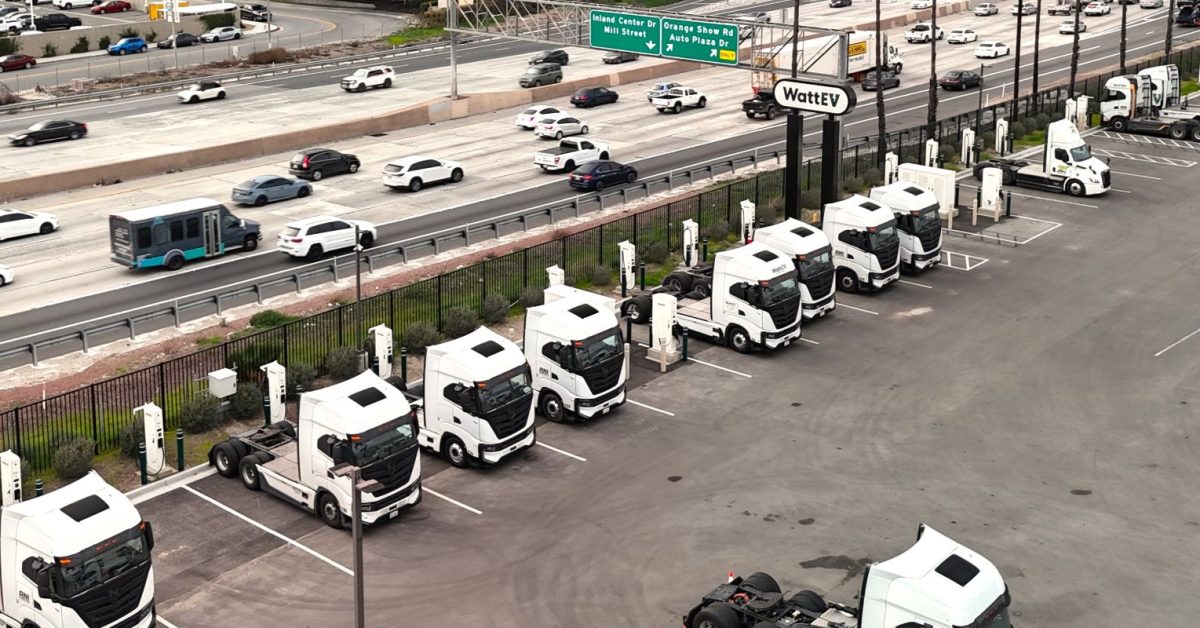
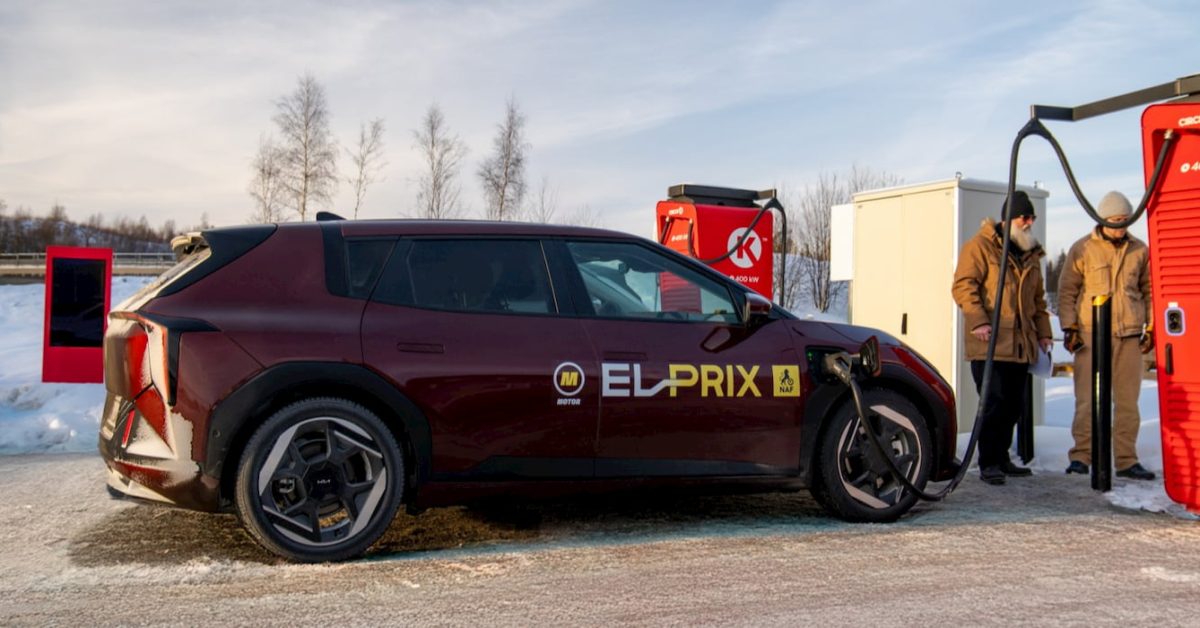
Global power demand is set to grow by more than 3.5% per year on average through the rest of the decade – far faster than overall energy demand and far quicker than grid expansion in many regions. The growth is being driven by EVs, data centers, and AI, rising industrial electricity use, and something much more basic: more air conditioners running in a warming world.
The report, Electricity 2026, looks at global electricity markets through 2030 and argues that we’ve entered what the IEA calls the “Age of Electricity.” Power demand is expected to grow at least 2.5 times faster than total energy demand over the next five years, with both emerging economies and advanced economies contributing to the surge. After roughly 15 years of flat electricity consumption, wealthy countries are now back on a growth track – and they’ll account for about one-fifth of the total increase in global power demand through 2030.
Renewables and nuclear growth
On the supply side, renewables are finally closing in on coal, and, by the IEA’s count, are now in the process of overtaking it. Global renewable electricity generation, boosted by record solar deployments, essentially caught up to coal in 2025 and is now moving ahead. Nuclear generation also hit a new record. Advertisement - scroll for more content
By 2030, renewables and nuclear together are expected to provide half of the world’s electricity, up from about 42% today, assuming grid build‑out, permitting, and connection delays don’t become even bigger choke points. Natural gas-fired generation is also projected to keep growing, particularly in the US and the Middle East, where gas is continuing to replace oil for power generation. Coal, meanwhile, continues to lose ground globally and is expected to fall back to roughly 2021 generation levels by the end of the decade.
Because rising demand is being met largely with lower‑emissions sources, the IEA expects global CO2 emissions from electricity generation to stay roughly flat through 2030, a projection that hinges on clean power actually getting connected on time.
Grid bottleneck
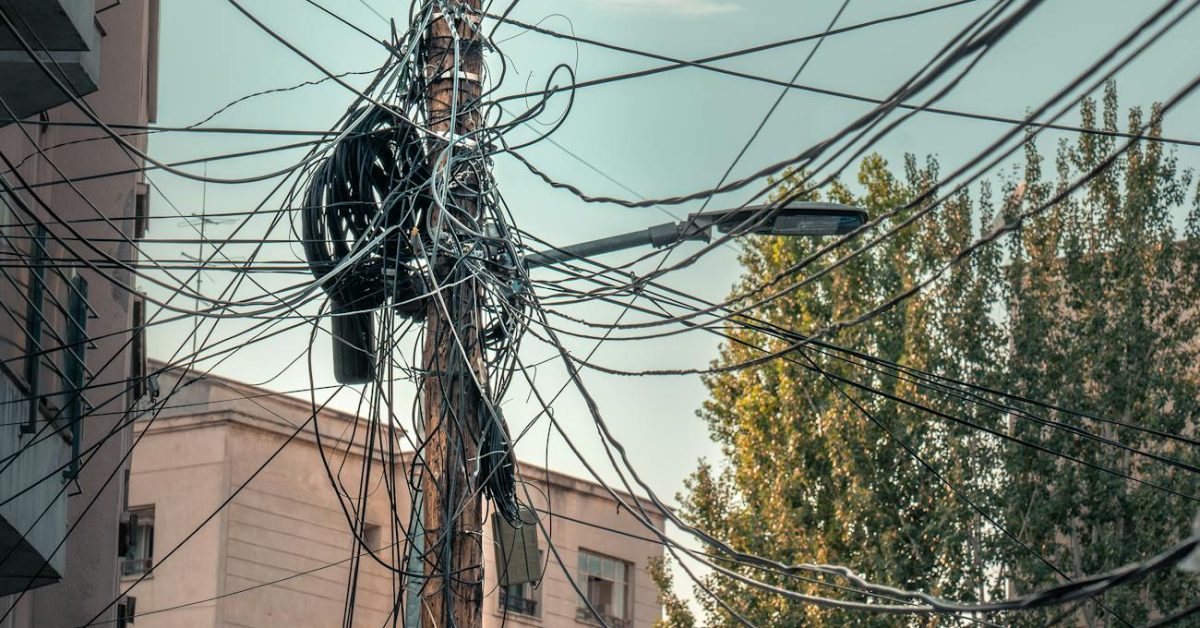
But the report makes clear that generation isn’t the main bottleneck anymore. The grid is.
Today, more than 2,500 gigawatts (GW) of projects worldwide – including renewables, battery storage, and massive electricity users like data centers – are stuck in grid connection queues, waiting years in some markets just to get a yes or no. That backlog, the IEA says, is now one of the biggest constraints on adding new clean power and meeting rising demand.
The good news: a big chunk of that capacity could be unlocked without building entirely new lines. The report finds that deploying grid-enhancing technologies and updating grid connection rules could allow up to 1,600 GW of queued projects to connect in the near term, making better use of existing infrastructure while longer-term grid expansions catch up.
Utility-scale battery storage is already helping with flexibility. Installations have risen sharply in recent years, with strong growth in places like California, Texas, Germany, South Australia, and the UK, providing fast-responding capacity that helps balance increasingly weather-dependent power systems.
None of this comes cheap, and that’s increasingly becoming a political problem. The IEA estimates that annual investment in electricity grids will need to rise by about 50% by 2030 to keep pace with demand growth. Affordability is also becoming a bigger political problem: Household electricity prices in many countries have risen faster than incomes since 2019, and high power costs are squeezing businesses and energy‑intensive industries.
The report also flags growing risks to grid security and resilience, including ageing infrastructure, extreme weather, cyber threats, and physical attacks. Modernizing grid operations and strengthening protections around critical infrastructure, the IEA argues, are no longer optional if power systems are going to handle the next wave of electrification.
Electrek’s Take
The IEA’s outlook makes one thing clear: electricity demand is racing ahead, clean generation is scaling, but the grid is now the weakest link. Without faster permitting, smarter grid tech, and real regulatory reform — not just modeling optimism — electrification risks running headfirst into a hard physical limit.
Read more: What really broke on the grid during Storm Fern – it wasn’t wind or solar
If you’re looking to replace your old HVAC equipment, it’s always a good idea to get quotes from a few installers. To make sure you’re finding a trusted, reliable HVAC installer near you that offers competitive pricing on heat pumps, check out EnergySage. EnergySage is a free service that makes it easy for you to get a heat pump. They have pre-vetted heat pump installers competing for your business, ensuring you get high quality solutions. Plus, it’s free to use!
Your personalized heat pump quotes are easy to compare online and you’ll get access to unbiased Energy Advisors to help you every step of the way. Get started here. – *ad
FTC: We use income earning auto affiliate links. More.