Wasting renewable energy 'unnecessary and unforgivable' when households live in energy poverty
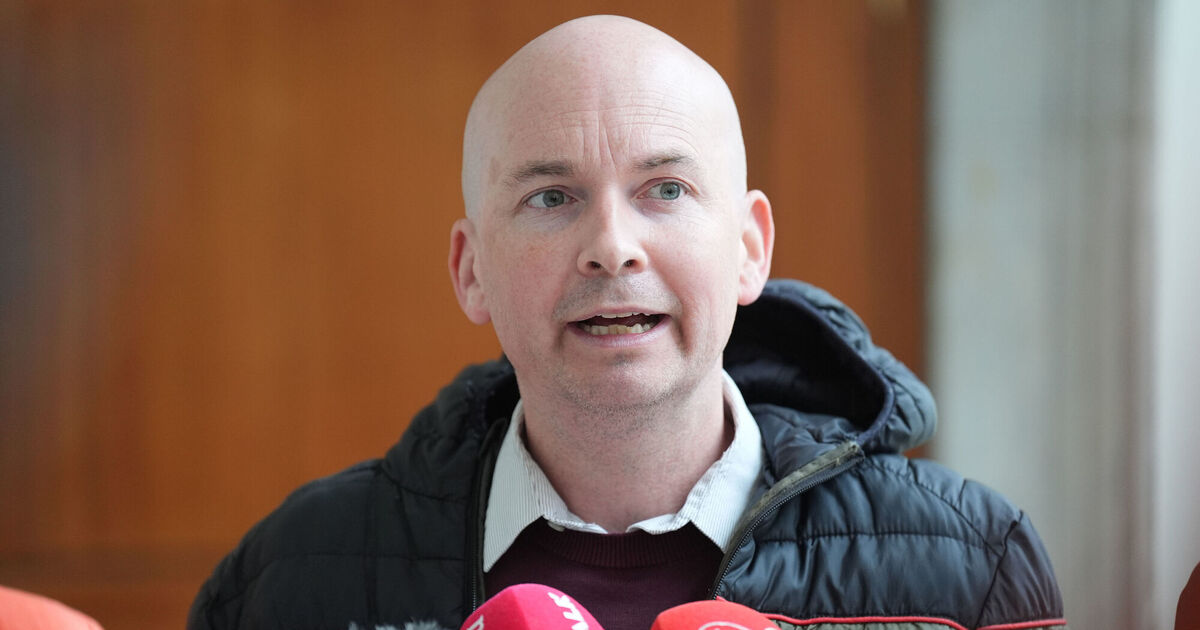
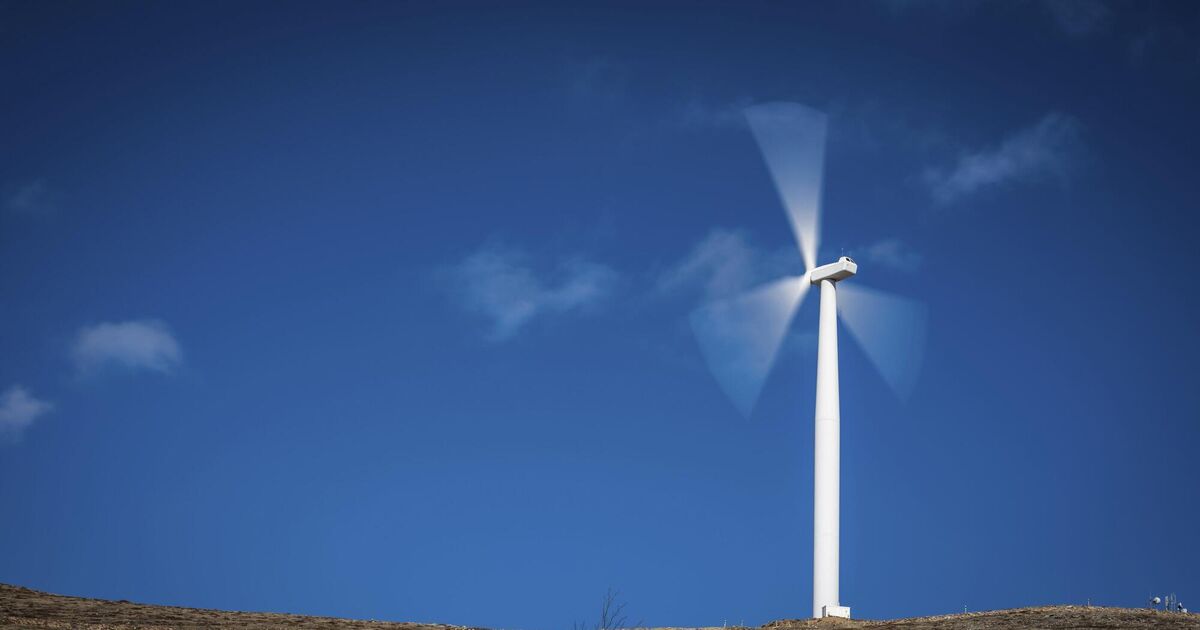
Wasting more than €1m-a-day worth of renewable energy is “unnecessary and unforgivable” at a time when more than 500,000 homes are living in energy poverty, an Oireachtas committee has heard.At the Social Protection Committee, EnergyCloud chief executive Alan Wyley told TDs and senators a targeted credit similar to the electricity credits from recent years would be a “very good first step” in helping homes out of energy poverty and would “cost the exchequer nothing”.“Without this announcement from the ministers and the Government [that wasted renewable energy is no longer acceptable], we know that nothing will be done until at least the budget,” said Mr Wyley.“This is because no one will be tasked with using the waste, no one will be responsible for the waste, and no one will do anything with this waste for those in energy poverty.
By the time the budget comes around, this Government will have missed a €1bn opportunity to end energy poverty, as we wasted over €500m in renewable energy in 2025 and we’ll see at least that number again in 2026.
Mr Wyley said projects to ensure otherwise-wasted renewable energy could be redirected to heat water in those living in social and affordable homes, using technologies such as heat pumps, thermal batteries, and smart storage heaters.His non-profit organisation believes it is essential future social homes are built with heat pumps that are “demand flexible” and use energy during off-peak times or when there is surplus renewable energy on the grid.Mr Wyley said the programme for government committed to exploring legislation to divert surplus renewable energy that would otherwise be wasted to homes in fuel poverty, and this must now be progressed as a matter of urgency.He added more than €1.4m of clean renewable wind energy was being "dispatched down, or wasted, every single day since the programme for government was published".Fine Gael TD for Louth Willie Aird said it “behoves us as public representatives to move this forward”.“If there’s not an appetite for it there, it won’t be done,” he said.
Other measures aimed at tackling energy poverty were discussed at the committee hearing, with Lyndsey Broxton O’Leary, climate action officer at Galway City Council, speaking of its NetZeroCities project, which aims to remove barriers for retrofitting homes.This project includes the 'Warm Home Hub', which attempts to simplify the process for families.“In total, the Warm Home Hub engaged with over 450 residents living in the westside community through a wide range of outreach activities and consultations,” she said.Jeanne Moore, policy analyst at the National Economic and Social Council, said clear pathways out of energy poverty must be developed along with targeted energy credits.“We must [also] address the ‘split incentive’ in the private rented sector, where neither landlord nor tenant has the incentive to upgrade,” she said.Separately, the committee heard from Solid Fuel Merchants Ireland, which called for the fuel allowance payment to be adapted into a voucher that could only be redeemed with registered compliant fuel retailers and energy suppliers.“It would guarantee that public support is spent on legal, compliant fuel consistent with the State's own air quality and sulphur standards, and with the existing ban on smoky coal,” said its chair Colin Ahern.