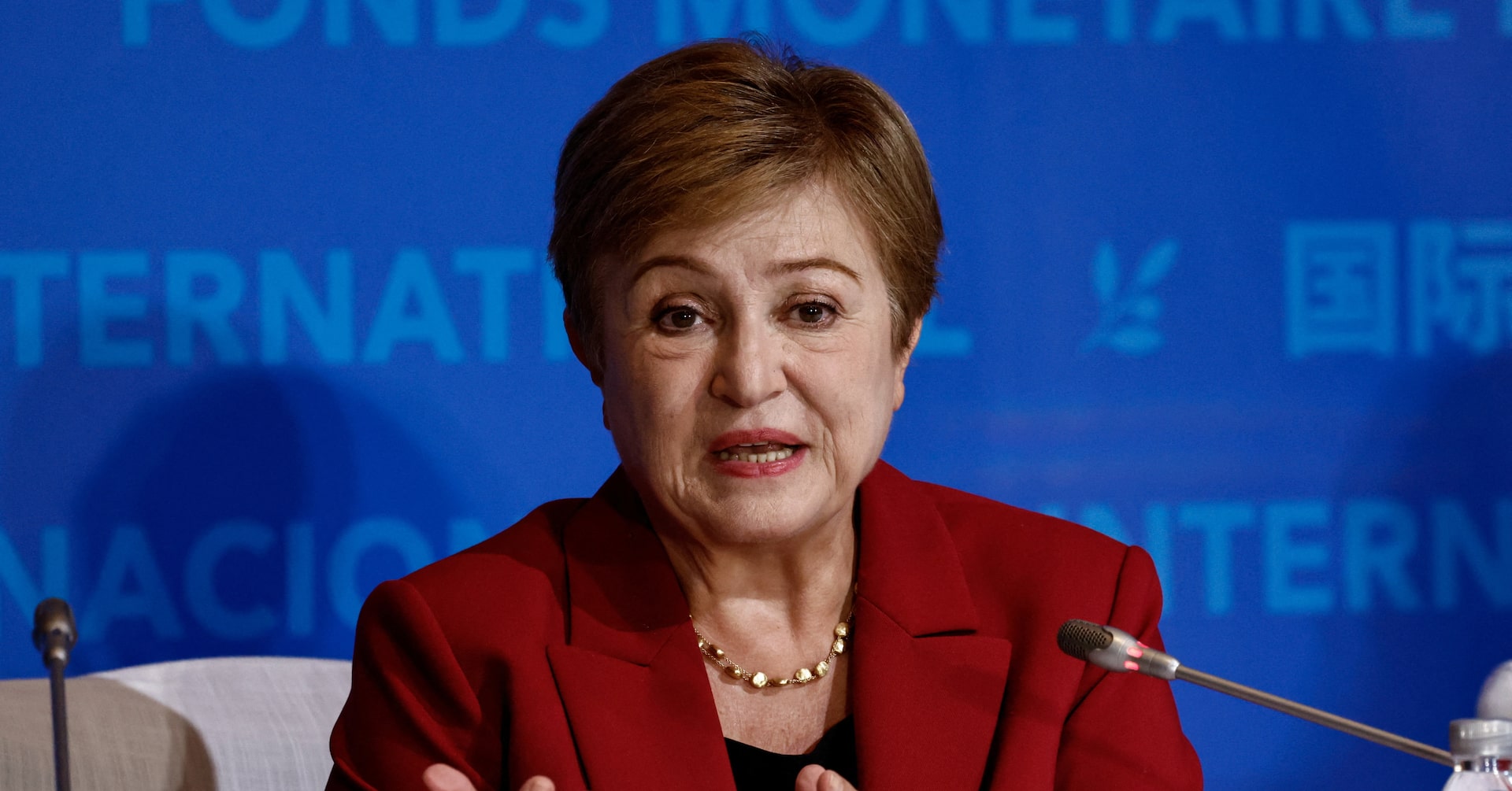
RBA governor's four reasons for rate hike as banks begin to respond
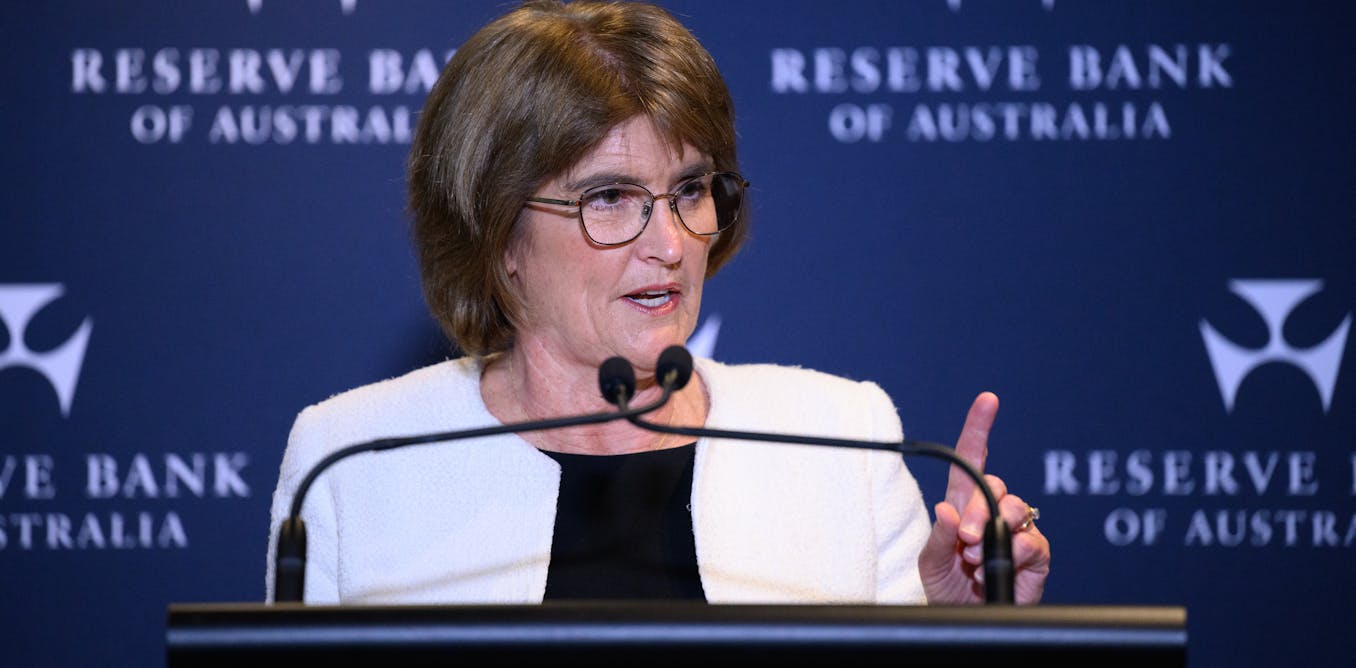
The Reserve Bank of Australia (RBA) has lifted the cash rate by 25 percentage points to 3.85 per cent — its first increase in over two years — citing inflation that has risen "materially" since mid-2025.The move was tipped by many economists and expected by financial markets, after inflation surged back above the central bank's 2–3 per cent target band.Treasurer Jim Chalmers said the decision was widely expected, but that didn't make it any easier for homeowners."This will be difficult news for millions of Australians with a mortgage, and we understand the pressure that this will put on families and businesses," he said on Tuesday.The RBA's Statement on Monetary Policy released on Tuesday said: "While part of the pick-up in inflation is assessed to reflect temporary factors, it is evident that private demand is growing more quickly than expected, capacity pressures are greater than previously assessed and labour market conditions are a little tight.""The board judged that inflation is likely to remain above target for some time and it was appropriate to increase the cash rate target."RBA governor Michele Bullock said those developments drove the board's decision, pointing to four key factors that guided the hike:Demand stronger than expected"Our updated view, driven by the latest data, is that demand was stronger-than-expected over the second half of 2025, and we think some of that strength has carried into 2026," Bullock said."Conditions in the labour market have held up well, and unemployment has remained lower than thought," she added.Supply constraints tightened"The economy is closer to its supply capacity than we previously thought, which means supply constraints are binding in some more sectors," Bullock said."It's not taken much of a pick-up in demand to generate price pressures," she added."Years of weak to no productivity growth is a big part of that story," she said.Global economy more resilientThirdly, Bullock said the global economy had turned out to be "much more resilient than we thought", despite "the ongoing high level of uncertainty and unpredictability".She noted that this resilience had fed into domestic conditions, strengthening demand and price pressures.'Uncertain' whether financial conditions restrictive"Financial conditions have eased, and it's uncertain now whether they remain restrictive overall," Bullock said."The recent pick-up in inflation and credit growth are enough to make us question this," she added.These four factors, taken together, led the board to deem it necessary to increase the cash rate, Bullock concluded.LISTEN TOInterest rate rise ends two-year pauseThe 'big four' banks have matched the increase, which will mean a monthly increase of more than $90 on a $600,000 mortgage.On Tuesday evening, the Commonwealth Bank, NAB, ANZ and Westpac announced they would be increasing their home loan variable interest rates by 0.25 per cent. Commonwealth, NAB and ANZ's increases will come into effect on 13 February, while Westpac's will come into effect on 17 February.Are there more hikes to come?ANZ's head of Australian economics Adam Boyton said that with the RBA expecting higher inflation, lower GDP growth, higher medium-term unemployment and higher assumed interest rate path than previously thought, an additional rate hike appears likely.NAB chief economist Sally Auld said given the increasing pressures on inflation, it was unlikely to be a "one-and-done" scenario for the RBA."We continue to forecast a follow-up 25bp hike in May, although risks are biased to an earlier hike and the possibility of more than just a modest 50bp recalibration," she said.The RBA board said it would use upcoming data about the global economy, domestic demand, inflation and the labour market to guide future decisions.The big four banks have passed along the RBA's rate hike. Source: AAP / Joel CarrettWhen speaking to reporters on Tuesday, Bullock addressed the impact on households."For mortgage holders, this isn't a great outcome," she said. "But what's also not great for them, or for anyone else, is if inflation remains elevated," she added."Ultimately, it is best if we get inflation under control, and our instrument is the interest rate."I empathise with them, but the alternative is potentially even harder."— With additional reporting by the Australian Associated Press.For the latest from SBS News, and .