IMF Chief Says Global Inflation to Fall, Trade Integration Is Needed
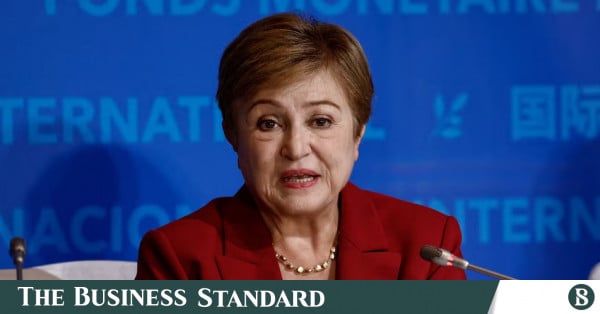
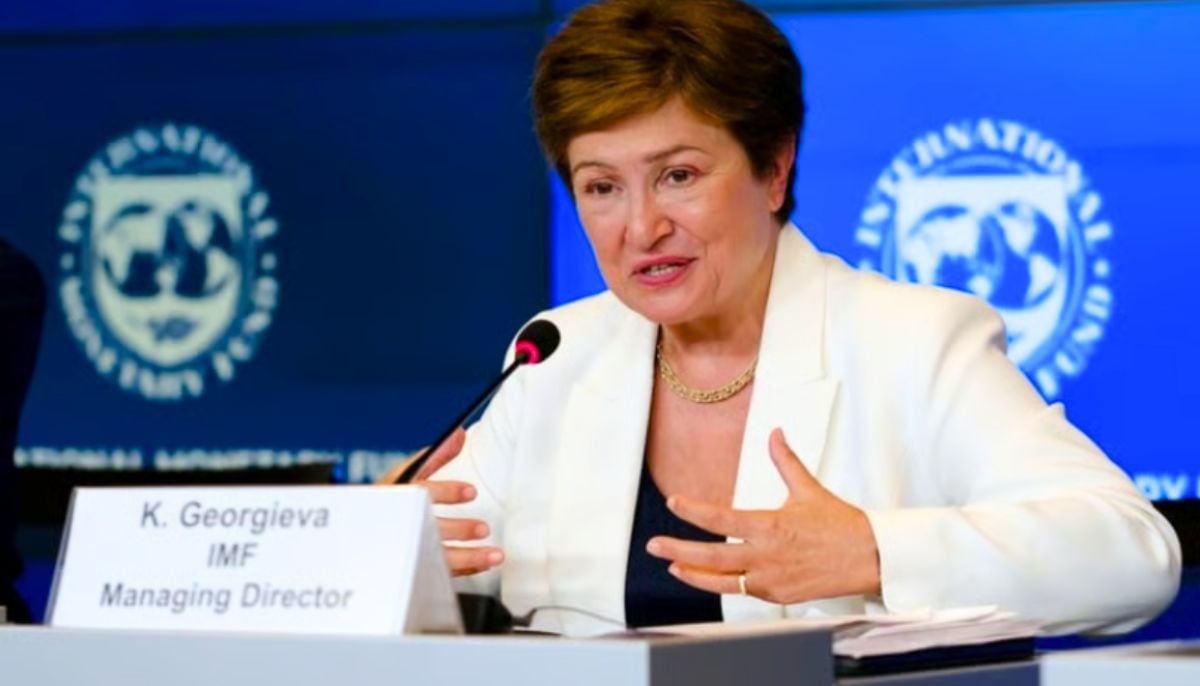
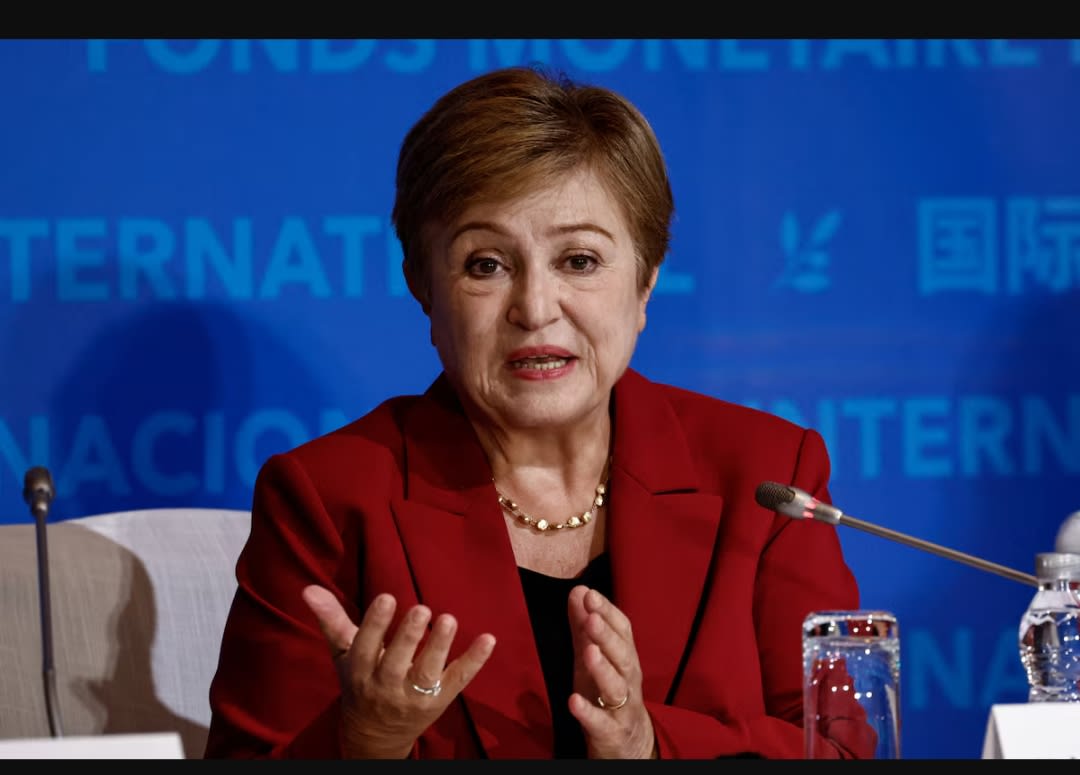
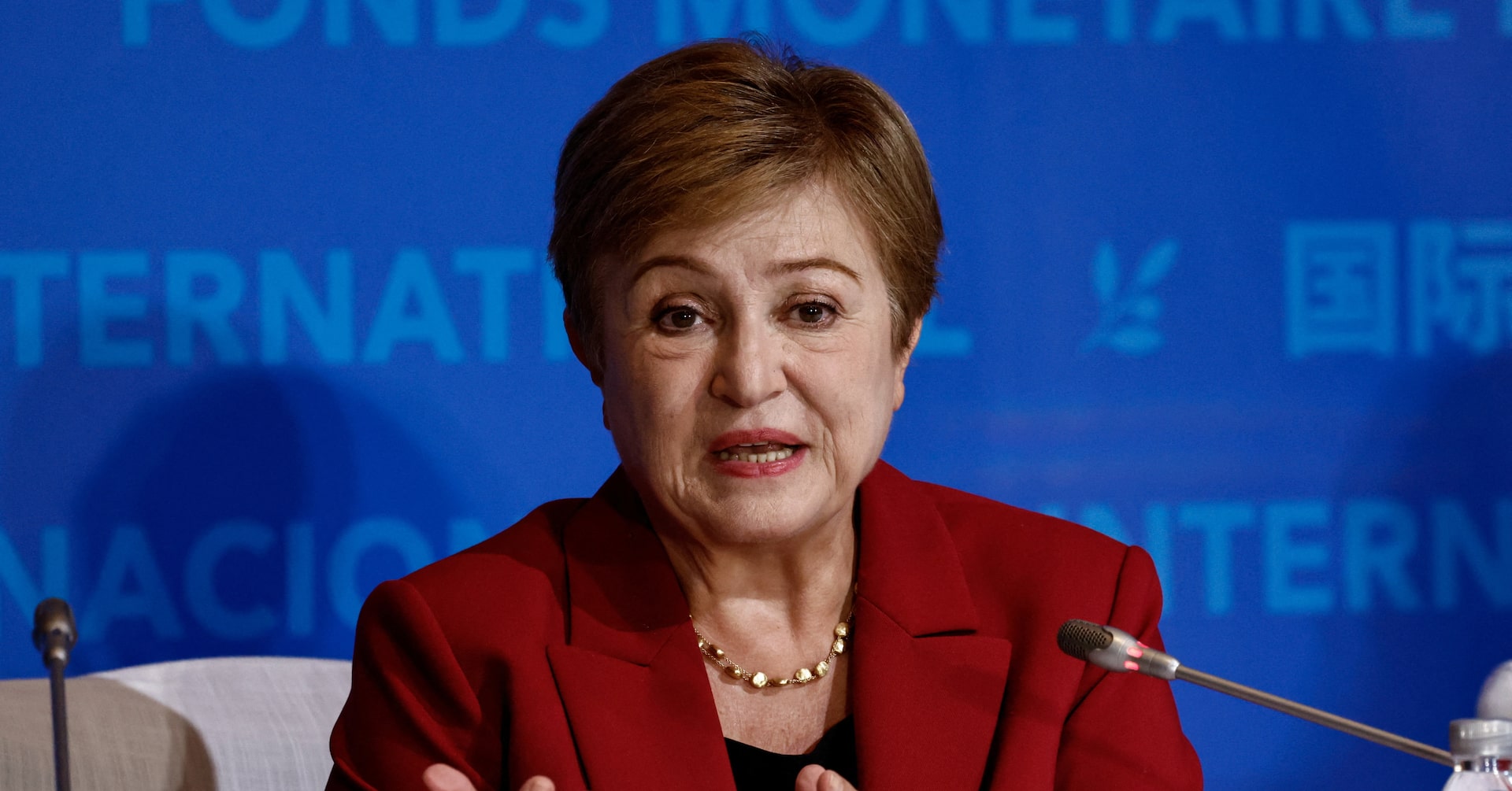
IntroductionThe International Monetary Fund (IMF) chief, Kristalina Georgieva, recently signaled optimism about the global economic outlook, forecasting a gradual decline in inflation while emphasizing the importance of enhanced trade integration. Speaking at an international finance forum, Georgieva underscored that while high prices have dominated headlines for the past year, structural factors suggest a more stable environment ahead.Her comments come amid persistent concerns about inflation, supply chain disruptions, and the uneven recovery across countries. The IMF’s guidance carries significant weight, shaping both government policy and investor expectations worldwide.Global Inflation Set to EaseGeorgieva noted that although inflation remains elevated in many regions, several trends indicate that price pressures are likely to moderate:Stabilizing energy prices – After historic spikes, oil and gas prices have shown signs of plateauing.Improving supply chains – Bottlenecks from the pandemic and geopolitical shocks are gradually easing.Monetary policy effectiveness – Central banks’ interest rate adjustments are beginning to temper overheating economies.This outlook suggests that while inflation will remain a consideration, it may no longer dominate economic decision-making as it has in recent years. Investors and policymakers can potentially pivot from crisis management to sustainable growth strategies.Why Trade Integration MattersAlongside inflation trends, Georgieva highlighted the critical role of global trade integration in supporting long-term stability. Key points include:Diversification of supply chains – Countries with broader trade partnerships are better positioned to absorb shocks.Access to essential goods and services – Trade allows nations to meet demand without creating domestic shortages that fuel inflation.Economic resilience – Integrated markets foster investment and technological exchange, boosting productivity.According to the IMF, countries that strengthen trade links are likely to experience lower volatility in both prices and growth, creating a more stable environment for businesses and households alike.Regional Inflation VariancesGeorgieva acknowledged that while global trends point downward, inflation remains uneven across regions:Advanced economies – Inflation is expected to ease gradually due to stabilizing energy costs and moderated demand.Emerging markets – Price pressures may linger longer, especially in countries exposed to currency fluctuations and food price volatility.Developing economies – Some nations face persistent challenges due to limited fiscal and monetary policy tools, making recovery slower.This uneven landscape underscores the need for targeted interventions alongside international cooperation.IMF’s Recommendations for PolicymakersTo sustain the projected decline in inflation and support global growth, Georgieva offered several recommendations:1. Strengthen trade policies – Reducing tariffs and fostering cross-border investment can enhance efficiency and resilience.2. Maintain prudent monetary policy – Central banks should continue adjusting interest rates carefully to avoid stifling growth while controlling inflation.3. Invest in supply chain resilience – Countries should diversify production and logistics to reduce dependence on single sources.4. Support vulnerable populations – Fiscal measures should protect low-income households from inflation shocks without undermining long-term stability.These policies, if implemented collectively, could help nations navigate the transition to lower inflation while sustaining economic growth.Investor and Market ImplicationsFinancial markets are likely to respond to Georgieva’s outlook in several ways:Reduced safe-haven demand – Falling inflation expectations may lower the appeal of gold and inflation-protected assets.Stronger equity markets – Stability and predictability in prices could encourage investment in stocks and corporate bonds.Currency adjustments – Central bank policies responding to easing inflation may influence forex markets, particularly in emerging economies.Investors are closely monitoring IMF guidance, as it often signals the likely trajectory of monetary policy and global trade dynamics.Challenges AheadDespite optimism, Georgieva warned of ongoing risks:Geopolitical tensions – Conflicts can disrupt trade and commodity prices, potentially reigniting inflation pressures.Climate-related shocks – Extreme weather events can affect food and energy supply chains.Debt vulnerabilities – High levels of government and corporate debt in many regions could constrain policy responses.Her message was clear: while the trend is positive, vigilance and proactive policy coordination remain essential.ConclusionThe IMF chief’s remarks offer a cautiously optimistic outlook for the global economy. Global inflation is expected to fall, but sustainable growth will require stronger trade integration, prudent policy, and international cooperation. As nations navigate these challenges, Georgieva’s guidance emphasizes both the opportunities and responsibilities of a more interconnected global economy.For investors, policymakers, and businesses, the key takeaway is that the world is moving toward a more predictable environment — but only if countries continue to work together and address structural vulnerabilities.