Peter Dowdall: Our garden isn't separate from the world beyond the fence
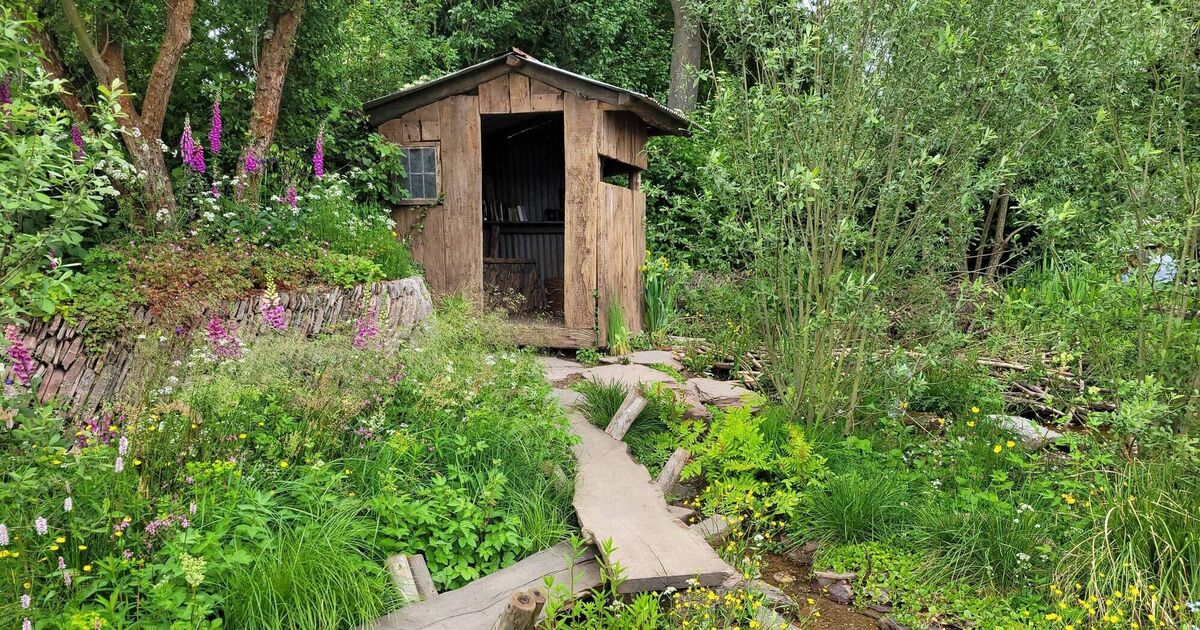
There's a moment of revelation that comes to most of us who garden. It’s the point where you really see the beauty of the place in front of you, and it nearly always arrives when you stop trying to control it.It’s the moment you realise that the garden isn’t something separate from the world beyond the fence. It’s part of a much bigger conversation.For a long time, we’ve treated gardens as a way of drawing a line between ourselves and nature. Walls, hedges, clipped lawns, tidy borders. From medieval cloisters to the modern idea of the “outdoor room”, gardens have often been about taming the wildness. We decide what belongs, what doesn’t, and how everything should behave. But in the natural world, things rarely follow instructions, and we often discover that plants, like children, have a habit of doing what they want, not necessarily what we had in mind.The truth is that plants are doing far more than decorating our lives. They are not simply outdoor ornaments to be admired, they are working constantly, helping everything from soil health and water quality to pollination, climate regulation and human wellbeing.These ideas sit at the heart of the 2026 seminar being organised by the Garden & Landscape Designers Association (GLDA), themed The Interconnection of All Things.The speakers reflect the many ways we engage with the living world, Lulu Urquhart and Adam Hunt, whose Chelsea Gold-winning work places ecological restoration at the centre of design, Galen Fulford, a pioneer of floating wetland systems that restore polluted urban waterways, Margie Ruddick, an internationally recognised landscape architect known for reconnecting ecology, culture and high design in cities worldwide and Neil Porteous, whose work in historic Irish gardens focuses on plant resilience, performance and respect for place.Valerie Keating Bond, from Cork, (front), with landscape designers Lulu Urquhart and Adam Hunt in their Rewilding Britain garden which won the top award at the 2022 Chelsea Flower Show. Lulu and Adam will address the 2026 GLDA seminar. Picture: Tammy MarlarTogether, they underline a simple but powerful truth, that gardens and landscapes thrive when we listen carefully, intervene thoughtfully, and remember that our own well-being is inseparable from the health of the land we tend.In truth, this understanding isn’t new at all. For millennia, people instinctively knew that their well-being was bound up with the health of the land. It’s only in more recent times that this connection has been weakened as speed, profit, and convenience began to outweigh long-term thinking.Climate change, species loss, polluted rivers and degraded landscapes didn’t happen by accident. They are the result of seeing ourselves as separate from the natural world, rather than part of it. When you view land as something to be exploited rather than lived with, consequences follow.Gardens can feel small in the face of problems like these, but they matter enormously. They are where I discovered, and many people first learn how natural systems work. You notice which plants cope with drought and which don’t. You see how soil improves when it’s cared for, and how quickly it collapses when it’s stripped or compacted. You learn that cutting everything back hard and fast rarely produces long-term beauty, and that, the most important word in gardening, patience, usually pays off.Good planting isn’t about novelty or fashion. It’s about building communities of plants that support each other, that create habitat, that are resilient enough to cope with what the future throws at them.Plants tell stories about where they are growing, about the soil beneath them and the climate around them. The moment of revelation which I referred to allows us to change our role from controller to steward. Instead of asking how we can impose an idea on a place, we begin by asking what the place is already telling us. Where does water move? Where does the wind funnel? Which are sheltered? Observation becomes as important as action.At the heart of all this is simple logic, interconnectedness. The health of our gardens reflects the health of our wider landscape. When soils are alive, plants are stronger. and insects, birds and other wildlife, including humans, follow. When green spaces are healthy, people feel better, and none of these things happen in isolation.Engaging with plants, be that working with them, admiring them, or even talking to them, is deeply restorative. There is comfort in working with living things that operate on a different timescale to our own. A sense of perspective comes from understanding that setbacks and failures are part of the process. Every choice we make in a garden, what we plant, how we manage, what we remove or leave, sends small signals into a much larger system. Those signals add up, and perhaps that’s the most important thing a garden can teach us: that everything is connected, and that by minding our own small piece of the world with care, we are participating in something far bigger than ourselves because we are not separate from the landscape, but very much part of itThe GLDA 2026 seminar takes place on February 28, and full details, including speakers and venue, are available at Glda.ie.