Consumers Truly Have No Clue Who Makes Good EVs: Report
Americans consumers seem to think Toyota and Honda make the best EVs.
Everyone is entitled to their own opinion, but that's pretty demonstrably false.
It's a good reminder that consumer sentiment often lags the reality on the ground.
Americans don't have a damned clue who makes good EVs. That's what I took away from the January, 2026 edition of the Electric Vehicle Intelligence Report, which measures consumer sentiment toward EV brands. Surveyed consumer sentiment toward EV brands seems to be based on vibes and internal-combustion car experience, not anything resembling reality.
U.S. consumers were asked to say whether they had a positive or negative view of a variety of EV and autonomous vehicle brands, and whether they trusted them. And like in many similar surveys I've seen, consumers ranked Toyota and Honda at the top of their list, with Tesla at the bottom.
This is Honda's only EV available right now, and the company doesn't even build it. It's a reskinned Chevy Blazer EV, built by General Motors.
Photo by: Honda
Sorry, am I reading this thing upside down? Were the respondents?
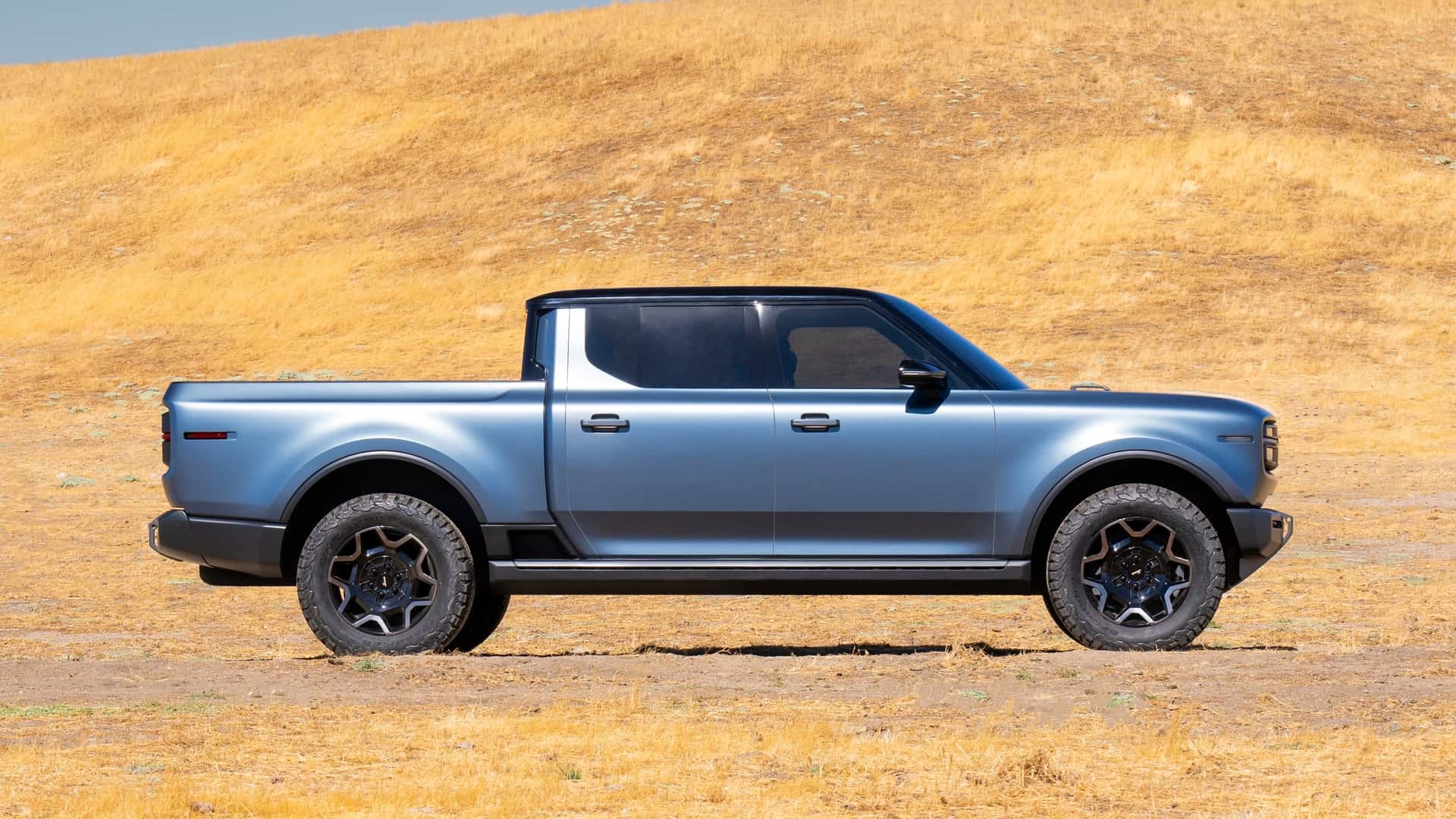
For those not up-to-date on the EV market, Toyota and Honda are widely perceived as being laggards in the EV market. Both companies were pioneers of hybrid technology, but conservative company cultures have made them hesitant to go all-in on EVs. Toyota's only long-range EV, the bZ4X, arrived to critical scorn and lacked many must-have EV features. The company has improved things dramatically for 2026 and has new models on the way. But it's still far from blazing the trail.
Photo by: InsideEVs
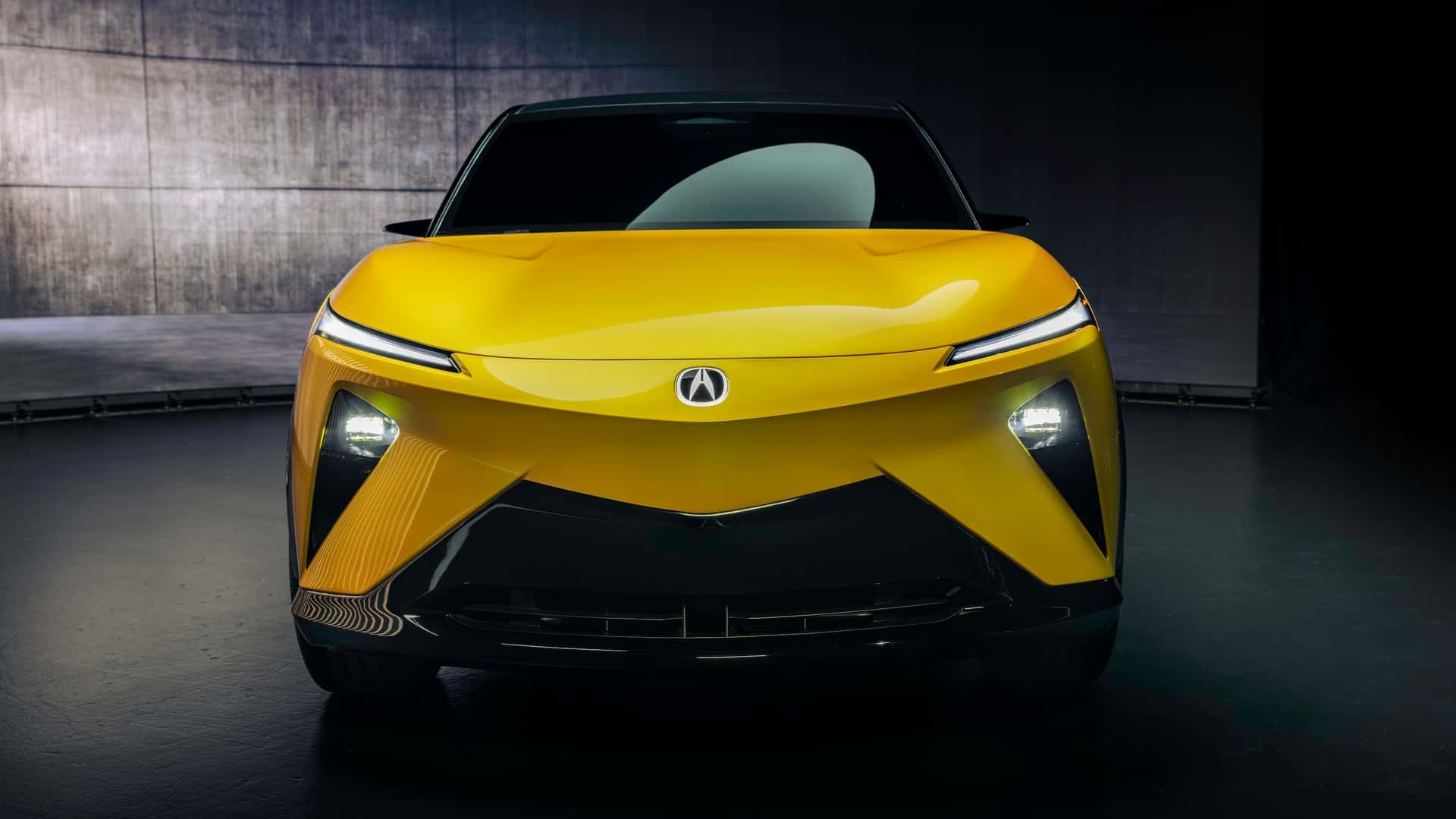
The only company undeniably behind it is Honda, which has never built its own long-range EV for the U.S. market. It has sold just two EVs nationally, the Honda Prologue and Acura ZDX. Both are built by General Motors and closely related to the Chevrolet Blazer EV. The ZDX is already dead, a casualty of the changing policy environment.
The company is planning to enter the EV market in earnest later this year, when the Acura RSX and Honda 0 Series SUV will arrive. Those are the company's first ground-up EVs, arriving as competitors launch second- and third-generation products.
Tesla, meanwhile, lands at the bottom of the list despite effectively inventing the modern EV with its original Model S, and making both the best-selling EV in the country and the world. Even with the Cybertruck flopping and sales falling, you'd expect it to rank better than dead-last. Yet it's the only consumer auto brand with a net negative favorability rating (-10).
Consumers are clearly ready for a real Honda EV. Let's see if that translates to real sales for the 0 Series SUV, coming later this year.
Photo by: InsideEVs
I figure that's more indicative of survey-respondent signaling than on any neutral assessment of EV technology or offerings. Elon Musk is a massively unpopular man, which makes sense, because he is odious. And that is spilling over onto his business.
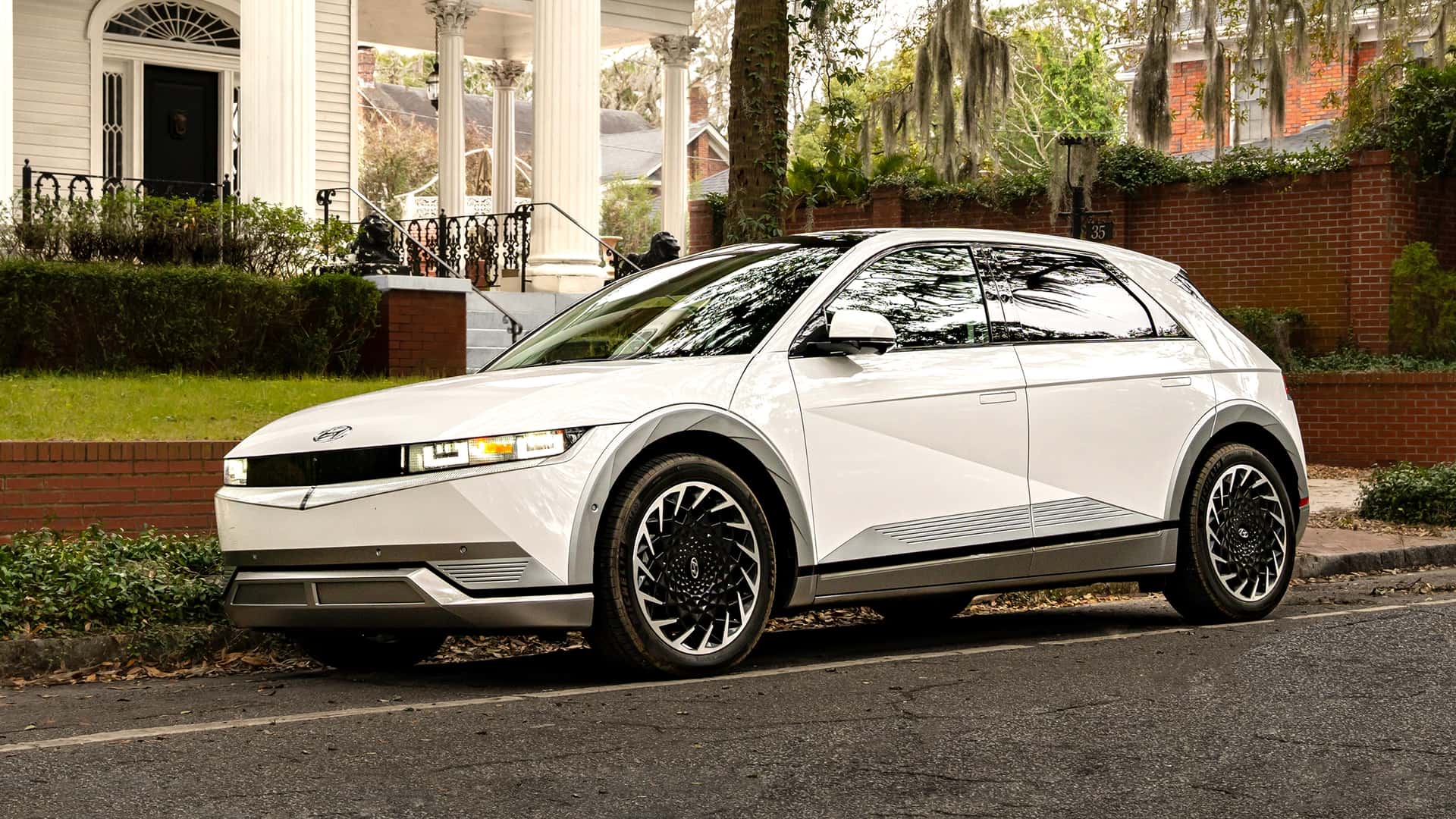
What's more surprising is that Lucid and Rivian also rank below every mainstream automaker in terms of perception, according to the EV Intelligence Report. Meanwhile Kia is below Volkswagen and Nissan is somehow beating Hyundai. The South Korean brands make some of the most popular, well-rounded EVs you can buy in America.
And while Audi's only good EVs are reskinned Porsches, it somehow outranks its more premium sibling brand on this chart.
Are these clowns paying any attention?
Kia offers some of the fastest-charging and most refined EVs on sale, all at pretty reasonable prices. They may not be in first place, but the company is certainly doing better than Volkswagen with this transition.
Photo by: Patrick George
The answer is, of course, no. Paying attention to the automotive industry is the abnormal hobby of a diseased mind. Most people think about cars when they go to replace theirs, and hardly so, even then.
This means consumer sentiment almost always lags significantly behind the product. Toyota and Honda lead on hybrids, and consumers fairly assumed that they would maintain their edge in the EV era. BMW fans likely made the same bet, but theirs paid off: Consumers and experts alike seem to agree that the company makes good EVs.
What will consumers think of these brands in 10 years? Well, if brand value is built over time, the companies that under-invest in EVs today have the most at stake. But based on this data, Toyota and Honda have a lot of time to figure EV technology out before consumer sentiment catches up to reality. We'll see if they use it wisely.
Contact the author: Mack.Hogan@insideevs.com
We want your opinion!
What would you like to see on Insideevs.com?
Take our 3 minute survey.
- The InsideEVs team