Americans Are Warming Up To Robotaxis, But Only When They Show Up In Their Cities
Americans living in cities where Waymo operates are more likely to accept autonomous vehicles.
In cities where Waymo hasn't entered yet, the majority of people remain skeptical of the technology.
Waymo, Tesla, Uber and several other companies plan to aggressively scale their robotaxi operations this year.
Several U.S. cities are bracing for a wave of robotaxi deployments in the months and years ahead. Alphabet-owned Waymo plans to enter 11 new cities this year, while Tesla said in its earnings report this week that it is preparing to launch in seven new U.S. cities, on top of Austin and San Francisco. But how do Americans really feel about autonomous vehicles?
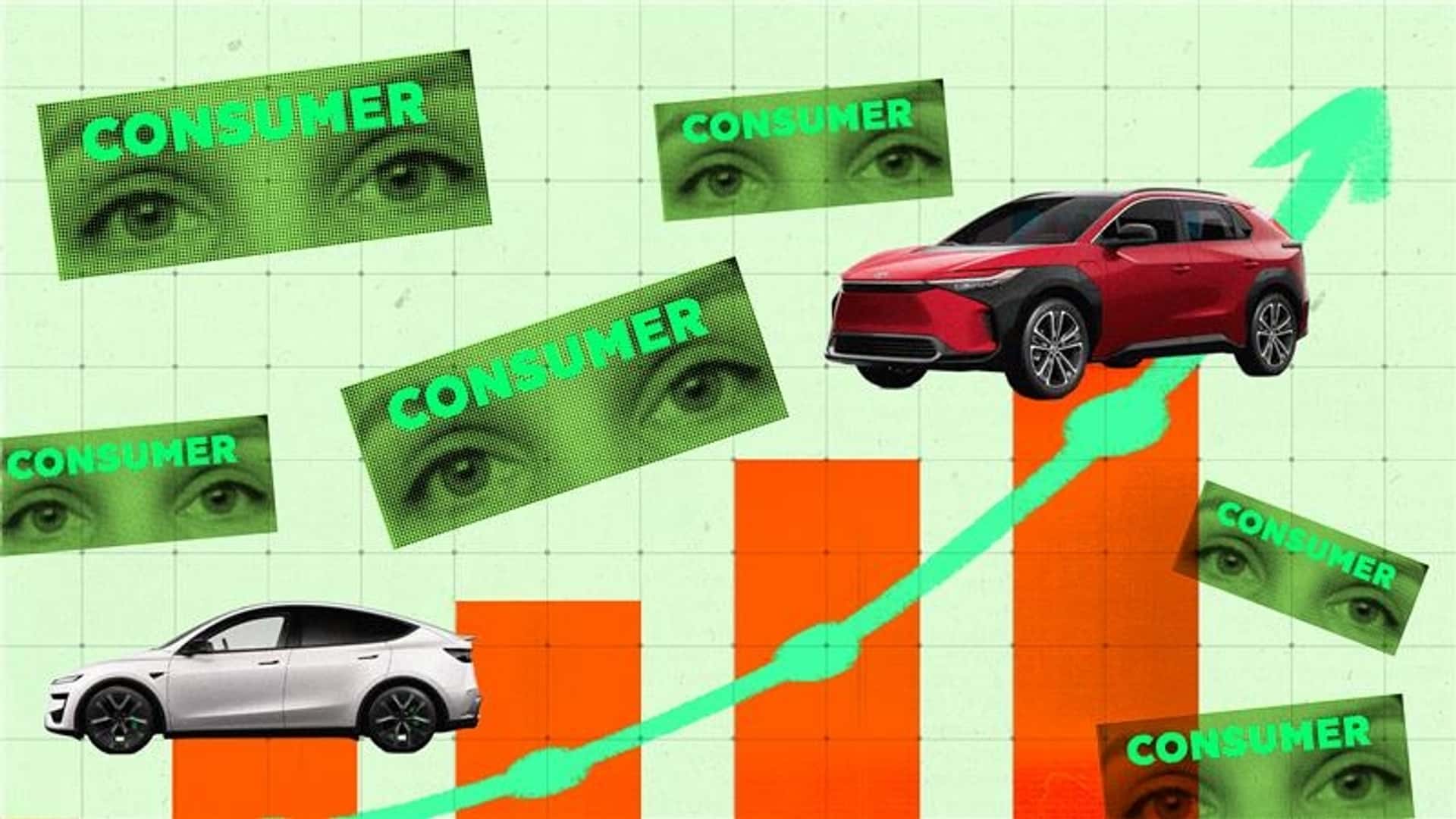
One possible answer comes from the Electric Vehicle Intelligence Report, which surveyed more than 3,000 U.S. consumers to understand public sentiment around autonomous vehicles. The findings suggest a clear divide based on exposure. Consumers who live in cities where Waymo already operates appear to be warming up to robotaxis, while enthusiasm remains noticeably lower in cities Waymo has yet to enter.
Photo by: Waymo
According to the study, 52% of consumers living in Waymo service areas are more likely to believe that robotaxis should be legal. By contrast, only 34% of consumers living outside of Waymo service areas share that view, highlighting how skepticism sort of lingers until people see the vehicles in action. It's a classic case of seeing is believing.
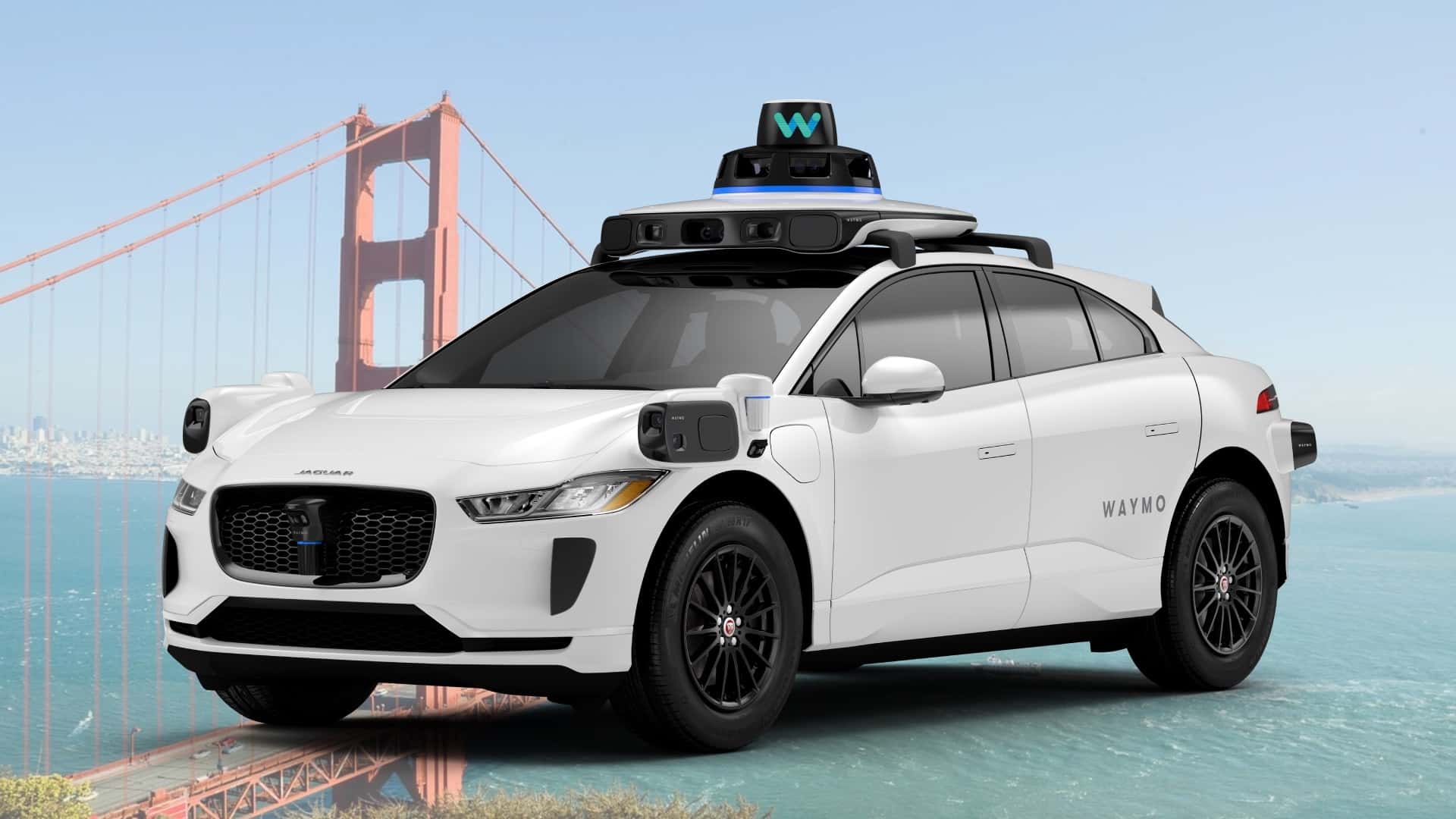
Waymo, for its part, claims its robotaxis are significantly safer than the average human driver, citing 90% fewer crashes and 82% fewer airbag deployments. It also says its vehicles perform better in scenarios involving vulnerable road users such as pedestrians and cyclists. Waymo’s robotaxis rely on a high-tech stack of lidar sensors, radar and cameras that operate around the clock to interpret their surroundings and make driving decisions.
Still, the technology is far from flawless. Waymos have been involved in crashes, including fatal ones, and the company remains under federal scrutiny. A Waymo Jaguar I-Pace was most recently involved in an incident where it struck a child in Santa Monica this month. According to the National Highway Traffic Safety Administration, the kid suddenly emerged from behind a parked SUV during regular school drop-off hours. That incident is under federal investigation.
Photo by: Tesla
The survey also shed light on how women feel about autonomous cars. Among women living in Waymo service areas, 56% said they were more concerned about the safety of the nascent autonomous vehicle technology than about the risk of harassment or assault by human drivers. Outside of Waymo service areas, however, concern about driverless cars is much higher. Sixty-nine percent of female respondents said autonomous vehicles concern them more than human drivers, according to the study.
Among parents, though, acceptance levels for autonomous technology are much lower. When asked if they’d let their children (under 18) ride in robotaxis, about 30% of respondents living in Waymo service areas said they indeed would, whereas 70% said they would not. For parents living in cities where Waymo doesn’t yet operate, that divide is even sharper, with 12% saying they’d allow kids to ride in robotaxis, whereas 88% said they absolutely would not.
With nearly half a million paid rides each week, Waymo is already becoming routine for many people in the cities where it currently operates, including Austin, Los Angeles, Phoenix, San Francisco, Miami and Atlanta. The bigger question is whether that momentum will carry over to cities with far more challenging weather and road conditions, places like Detroit and New York, which could be the real stress testers for these vehicles. And whether that helps with public acceptance or not remains to be seen.
Contact the author: suvrat.kothari@insideevs.com
We want your opinion!
What would you like to see on Insideevs.com?
Take our 3 minute survey.
- The InsideEVs team