How Jewellery Houses Aim to Stay Ahead In 2026
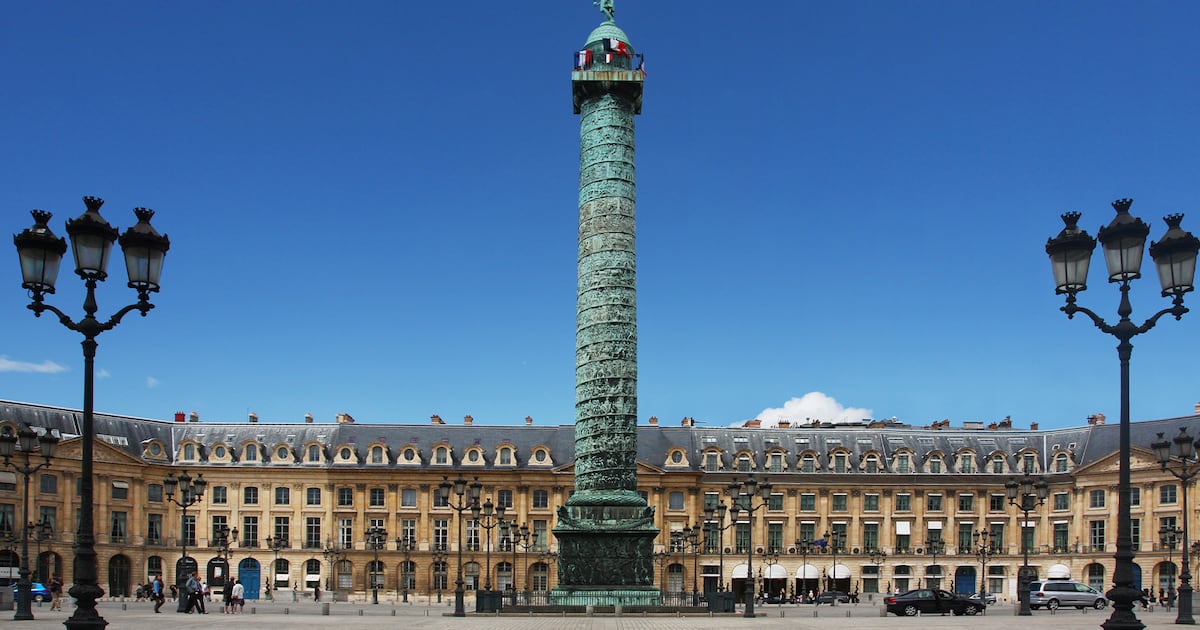
High jewellery presentations kicked off the jewellery sector’s annual events this week in Paris, showing how some of the biggest European houses aim to serve their top clients with one-of-a-kind pieces that only the world’s wealthiest can afford. Like haute couture, haute joaillerie also serves as a beacon for a brand’s wider jewellery business and brands unveiling new collections in and around the Place Vendôme included Boucheron, Chaumet, Graff, Dior and De Beers.The displays come as jewellery emerges as a pocket of resilience while others in the luxury industry–the fashion houses, notably–struggle to defend the value of their products in a choppy economic environment.“Jewellery was the clear standout category in 2025,” said Federica Levato, senior partner at Bain & Company, citing global sales growth between 4 and 6 percent, compared to a flat to declining market for personal luxury goods overall. Conversations amongst industry insiders in Paris this week have centred on questions about the future and how brands will navigate the geopolitical upheaval that has intensified since the start of the year, bringing threats of more tariffs and sending prices of gold and silver to new heights while the dollar drops. Taking the long view, historic Place Vendôme jewellers Boucheron and Chaumet emphasized their heritage, with contemporary interpretations of house classics.Chaumet drew on its almost 250-year history with “Envol,” a collection that riffs on its longtime wing motif, while Boucheron delved into its archives once more with a capsule collection inspired by founder Frédéric Boucheron’s 19th century innovations.“The Address” necklace is an update of an 1839 design, carrying a 10.01 carat, octagon-shaped diamond pendant that evokes the shape of the Place Vendôme, where Boucheron first set up shop in 1893, prompting a wave of other houses to follow.In a relatively slow-moving category where purchases are not only meant to outlast a season but even the owner’s lifetime, it is not surprising that what drives creativity is tied up with a brand’s heritage. For Piaget, which is holding its firepower for Haute Couture week in July and did not present this week, the focus this year across its jewellery collections will be on incorporating codes from its watchmaking past. This will include its signature Decor Palace gold engraving technique.”The more we bridge our fine jewellery with the Piaget codes, the more we make it stand out, the better,” said Benjamin Comar, chief executive of the Swiss maison, which started out as a watchmaker in 1874, and added jewellery in 1990.Unlike their fashion counterparts, many jewellery houses do not depend on a high profile designer – not a bad thing in the view of Levato, who says clients respond to freshness, authenticity, and cultural resonance, rather than “personality-driven hype”. Still, there are questions over potential change in the creative realm, following the departure last year of Francesca Amfitheatrof from Louis Vuitton and the death of Chanel’s long time designer Patrice Leguéreau in 2024. Fast-Moving Gold ValuesMeanwhile, the spectacular climb of gold prices has become a key preoccupation. It broke the $5000 an ounce barrier for the first time this week, representing a more than 75 percent increase in the last twelve months alone. Silver, too, is climbing even faster, with a close to 300 percent rise in the same time span.While analysts had been predicting gold would rise, executives have been surprised by the speed of change.“It has come much quicker than we thought,” Chaumet CEO Charles Leung said.Boucheron updated a design from 1839. It has a 10.01 carat, octagon-shaped diamond evokes the shape of Place Vendôme. (Courtesy of Boucheron) Even if this translates to higher price tags for shoppers, jewellery sales are in a way benefitting from the record-high precious metal prices, says Bernstein analyst Luca Solca. “It conveys an idea of intrinsic value that handbags selling at €10,000 and more are struggling to convey,” said Solca.Richemont, which has taken a cautious approach to raising prices, is outpacing rivals. Sales of its jewellery houses, led by Cartier and Van Cleef & Arpels, rose 14 percent in the last three months of 2025, thanks in part to the runaway success of Cartier’s new Love Unlimited collection and improvement in Asia. LVMH, which owns Tiffany & Co., Bulgari and Chaumet, this week reported 8 percent sales growth for its watches and jewellery division in the fourth quarter, with an acceleration of Bulgari sales and a return to moderate growth for watches — a sector that has been in decline. The luxury behemoth plans to keep investing in its overhaul of Tiffany. A third of the American jeweller’s store network has been refurbished, and the brand continues to shift its focus away from silver and bridal products to gold, platinum, diamonds and high jewellery. Sales of the latter have tripled in four years, said Stéphane Bianchi, LVMH group managing director.A stone’s throw from Place Vendôme, De Beers, which has been put up for sale by its owner, the mining company Anglo American, unveiled a new Paris flagship for its luxury jewellery arm, De Beers London. The opening was accompanied by a new high jewellery collection, Vibrations, which included the Echo necklace, a transformable piece featuring its signature combination of rough and polished diamonds and centring on a 1.12-carat Namibian Fancy Intense Blue diamond. Solca points to the diverse pricing structure of jewellery, which is suited to serving a diverging consumer base, as helping category outperform others, particularly in challenging economic times.“On the one hand, the rich are getting richer and wanting higher and higher products and high jewellery is there for them,” he said. “On the other hand, the middle class is more and more under pressure and looking for better value for money.”Fashion jewellery, which usually is made of base metals, serves the entry point customer.“It looks a lot cheaper than handbags these days,” added Solca.Entry Level Products Are KeyLevato says that while top customers now account for around 46 percent of total luxury spending, the real growth challenge lies with the affordable luxury market that should see the entry of 300 million new potential customers in the coming years. “To engage them, brands must rebalance toward accessible entry points — smaller-ticket jewellery, modular and customizable pieces, and categories that allow consumers to “trade up” over time,” she says. Crucially, all this must happen without diluting what a brand stands for.Bain predicts annual growth of personal luxury goods of between 4 and 6 percent over the next decade, potentially reaching as much as €625 billion ($747.6 billion) by 2035.Jewellery brands are angling to tap into that increase. “The fact that any mega-brand worth its salt has launched a jewelry collection is evidence of how important the category is becoming,” says Solca.