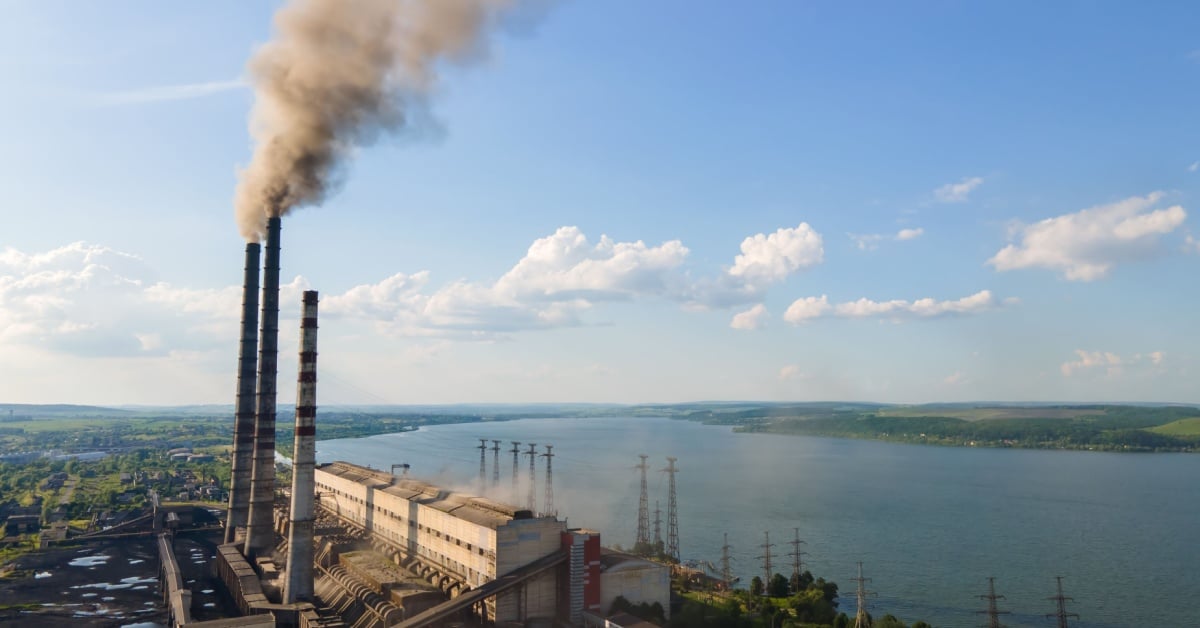
AI datacenter boom triples US gas power builds, filling the air with more CO2
Fossil fuel-fired power plant development is roaring back to life in the US thanks to the AI datacenter boom, with data from 2025 suggesting we're reaching the point where the renewable energy transition - and efforts to ease carbon emissions - may well be doomed.
2025 was a banner year for gas-fired power plant development in the US, nonprofit energy project tracking firm Global Energy Monitor (GEM) said in its latest analysis issued on Wednesday. Gas-fired power plant projects in development in the US nearly tripled last year, per GEM's data, putting the US ahead of China and responsible for around a quarter of the global gas power pipeline.
It's not exactly a close race, either. There are 251,737 megawatts of gas or oil fired plants (oil-fired plants are mainly located in Iraq and account for less than 3 percent of projects, GEM told us) in development in the US, in addition to 561,907 MW in operation. China, the second-ranking developer of natural gas and oil-fired power, is working on 153,406 MW of new projects, and has just 179,998 MW currently in use.
In other words, the US is looking at adding nearly 50 percent to its existing world-leading fleet of gas-fired power plants. More than a third of those new plants are directly linked to datacenter projects, GEM said.
If all the new projects in development end up being fired up, that'll equate to around 53.2 billion tonnes of lifetime CO₂ emissions, GEM global oil and gas plant tracking project manager Jenny Martos told The Register. 12.1 billion tonnes of that addition will come from US projects alone. For reference, the existing global fleet of gas and oil-fired power plants is estimated to account for 54.3 billion tonnes of lifetime emissions.
That means datacenters and AI are going to be a significant contributor to the derailing of global plans to quash climate change, and could be for some time.
"This 'petrotech' buildout risks tethering the power grid to fossil fuels for the next generation, thereby creating long-term pollution for a short-term power fix," Martos told us.
If AI actually turns out to be a bubble, that could mean a lot of lost investment in energy assets that end up stranded, causing even more financial devastation, Martos noted in GEM's writeup of its latest gas and oil project data.
With that in mind, it stands to reason that, even if the AI bubble bursts, a lot of oil and gas power is still going to end up making its way to the grid to offset potential losses, further hampering the transition away from fossil fuels and carbon pollution.
"There is a real possibility of a gas lock-in if these plants get built and AI demand does not materialize," Martos told us.
The Trump administration has been pushing hard to side-step the clean energy transition in favor of the expediency of natural gas, but the US government isn't alone - tech companies are happy to take the easy path to datacenter construction and dreams of eventual AI profitability in spite of their pledges not to abandon the health of the planet and its residents.
Microsoft has admitted that it's open to deploying natural gas with carbon capture technology alongside renewables to meet datacenter demand, while Meta announced plans at the end of 2024 to deploy 2,262 MW of natural gas power to fuel its largest-ever datacenter mere days after pledging to focus on nuclear power to drive its AI expansion.
2026, notes GEM, is on pace to break the previous record of new natural gas deployment set in 2002 during the shale boom.
So sorry about those climate ambitions, planet Earth: Humans want AI slop, and the tech industry is going to give it to them, come burning, hellish temperatures, or ever-rising sea levels. ®