The "disaster" of a movie that Al Pacino had no excuse for
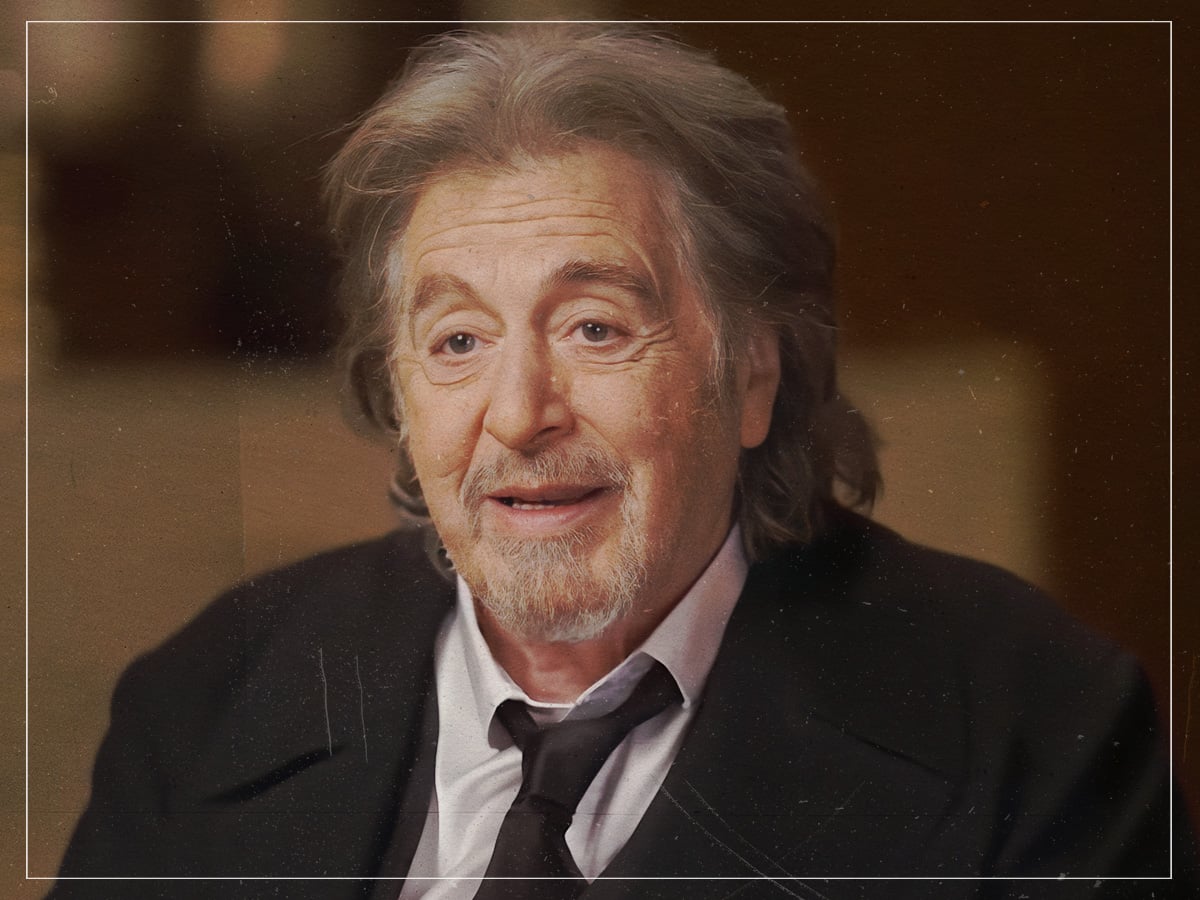
(Credits: Far Out / YouTube Still) Sometimes, an actor will admit that they’ve taken on a role purely for the money, clearly going into it with the knowledge that they’re not going to be part of a cinematic masterpiece. And maybe that’s OK. I don’t think anyone has gone through life without doing a job that hasn’t been their exact dream, and the fact that actors so often get to spend their days portraying characters they’ve always longed to play is pretty fantastic. So, when it comes to looking for a quick cheque, many actors don’t mind taking a step down from playing impressive characters to do something a little more low-brow.But what about when you head into a movie genuinely hoping it will turn out well? What’s the excuse when it ends up being rubbish? More often than not, it’s not the actor’s fault if it flops. Sometimes a film is just bad, and that’s the end of it. Still, there are definitely films that make you wonder what on earth convinced the actor to sign on, unless it was just for the paycheque.This was the case for Al Pacino, who really doesn’t have much of an explanation for several movies he appeared in that didn’t work out, especially one that he called a “disaster”. Writing in his memoir Sonny Boy, the actor explained, “Before I went broke, I was doing films if I thought I related to the part and felt I could bring something to it. Ocean’s Thirteen turned out well. And I did 88 Minutes, which was a disaster. And then I did Righteous Kill with Bob De Niro, which was not good.”88 Minutes (which was actually 110 minutes long) saw Pacino play a forensic psychiatrist who suddenly finds his life at stake, but sadly for the actor, it was a total failure. Directed by Jon Avnet, it only made a profit of $2million, grossing $32m in total. It wasn’t Pacino’s finest hour.Critics weren’t impressed with the film either, and Pacino ended up earning a nomination for ‘Worst Actor’ from the Razzies, who also nominated him in the same category for his appearance in Avnet’s other film that year, Righteous Kill. Clearly, Pacino needed to stay away from working with Avnet and reassess the projects he was taking on. He seemed to have forgotten his status as an Academy Award winner and one of Hollywood’s most acclaimed stars. So, why did Pacino take on these roles? The sad truth is that he actually had faith in them, writing, “But I did these things while I thought I had money, so it wasn’t like I was doing them for the money. I really thought they could be good.”It’s easy to get yourself involved in a project that you think has potential, but you really can never be sure until a movie is released whether it’ll succeed or not. Perhaps Pacino had too much faith in Avnet, whom he shouldn’t have agreed to work with on two films before realising how terrible both of them would be. It seems like Pacino has learned from his mistakes, though, looking back on the projects with a wince. Related Topics