Trump says he got a deal for rare earths in Greenland, but they won't come easy
The US invasion of Greenland might be off the table for now, but the Trump administration won't have an easy time using the rare earth elements and critical minerals it claims it's getting access to as part of a deal with NATO.
Trump said on Wednesday that he and NATO had worked out the "concept of a deal" to extend the US' security footprint on the island and rights to its minerals in perpetuity, without offering any additional details or specifics. Analysts at energy, chemicals, metals, and mining consultancy Wood Mackenzie published a report on Thursday following Trump's announcement, noting that Greenland's rare earth assets would be nigh impossible to extract and process on a commercial scale.
"Greenland has significant, though relatively unexplored and undeveloped, reserves of metals and minerals," Wood Mackenzie analysts explained in the report. The autonomous territory within the Kingdom of Denmark is believed to have the eighth-largest rare earth reserves in the world and the potential to produce 27 of the 34 minerals the EU defines as critical, but despite that it doesn't have a single operating rare earth mine.
The rare earth minerals available in Greenland are numerous. Cerium is believed to be the dominant material on the island, and it's used in everything from lighter flints to the oil-refining process to self-cleaning ovens. Also common is Lanthanum, which is used in cameras, telescopes, battery electrodes, and hydrogen storage systems, to name a few applications. There's also quite a bit of Neodymium on the island, which is used in things like rare-earth magnets, lasers, and electric motors.
Yttrium, Praseodymium, Europium, and others, all with critical tech applications, can each be found in Greenland, making it an attractive mining prospect – at least on paper.
"Diversification of supply chains away from China became a key industry driver through 2025 and Greenland has the potential to become an important future supplier," the analysts added.
Others have certainly tried before – per the report, a copy of which was provided to The Register, multiple attempts to extract rare earths from Greenland have been underway, some for more than a decade, but with little to show for it.
One mine that site work began on in 2007 has been stuck in a legal quagmire since Greenland passed a law in 2021 that banned extraction of non-uranium minerals with excessive concentrations of the nuclear element. The site has levels three times the limit imposed by law.
Another site on the island has only completed exploratory drilling, and a third site is projected to open a pilot facility sometime this year.
"Other projects in the country are similarly early-stage," the analysts noted.
That latter site with the planned pilot facility, we note, is planning to export rare earth minerals to the United States, as Greenland and the US have had a memorandum of understanding to cooperate with American companies on mineral sector development since 2019.
That's right - for all of Trump's bluster and threats justifying his action on Greenland in part on the need to secure mineral rights, the US and Greenland worked things out about seven years ago.
Deal or no deal, extraction will still be costly
With all those critical rare earths under its ice sheets and frozen tundra, it stands to reason there's a good explanation for why they haven't been exploited yet, and it turns out there are several, according to the Wood Mackenzie analysts.
First, there's Greenland's isolation.
"Infrastructure is limited, meaning any company looking to develop would have to create its own transport and energy infrastructure," the experts explained. "The local population is small, and a lack of a large and established mining sector means skilled labour would have to be imported."
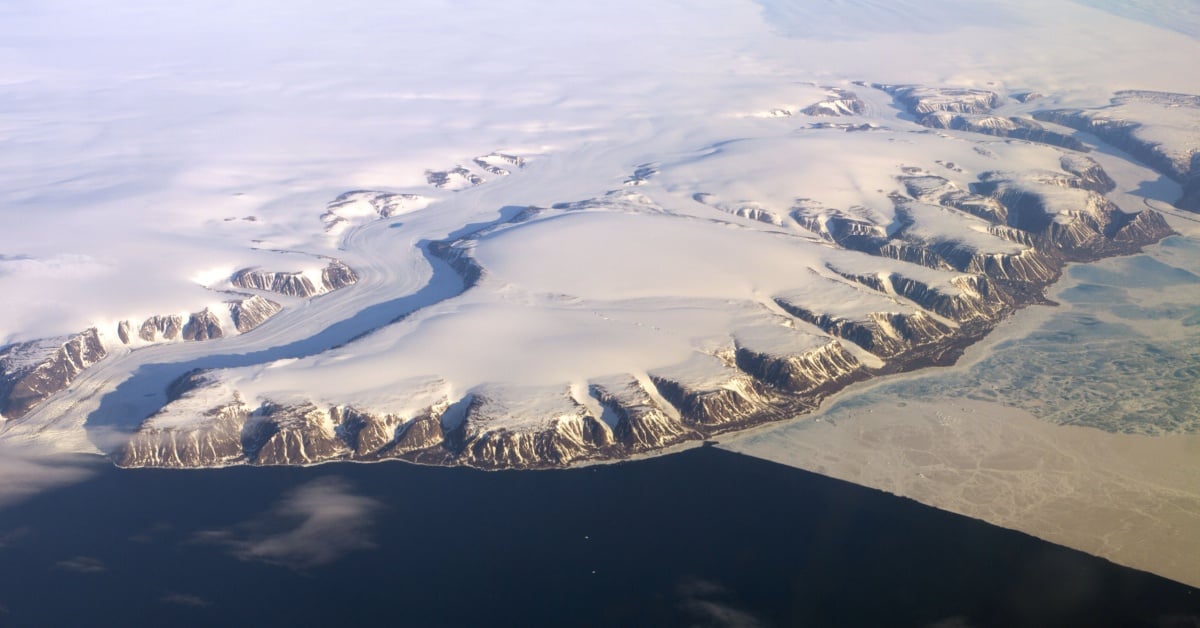
Additionally, the weather is harsh, daylight is limited, and the only ports that remain open year round are on the southwest coast. That leaves air travel as the only viable path to and from many sites, and weather disruptions would often take that off the table.
Then there's refinement, which either means getting them to Greenland's only modern port at its capital of Nuuk to ship them abroad for refining, or doing it in Greenland, which would require a whole bunch of infrastructure, reagents, and labor imports.
"Either option faces significant costs," the analysts note. Locals are also hostile to increased mining in Greenland, Wood Mackenzie added, with high sensitivity to potential environmental and social impacts.
All in all, they said, there's not a lot going for Greenland that can't be duplicated more easily in other places with rare earth deposits, more infrastructure, available labor, and less need to invest excess capital.
"We expect these to remain major limiting factors on Greenland's ability to establish a rare earth mining sector, irrespective of whether Greenland remains a Danish territory, becomes a US territory, or looks to independence," said Wood Mackenzie senior research analyst David Riley.
Whether that will change Trump's calculus will be something we'll have to wait to find out. Given how quickly he caved on his Greenland aggression after chatting with the adults in the EU, that could happen as soon as someone with expertise manages to catch his ear. ®