House prices in Ireland's most expensive postcode plunge
House prices in some of the country’s most upmarket areas are falling sharply – even though prices overall nationally are up 6.6%, official figures show.
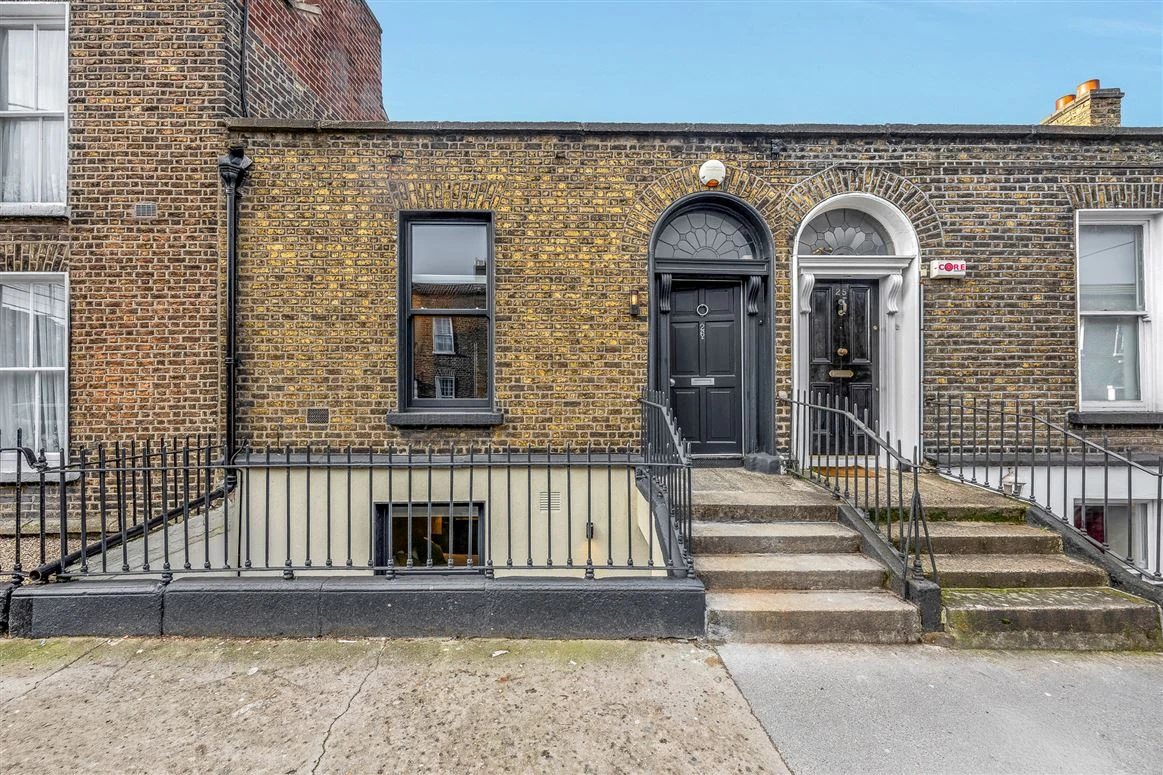
In Dublin 4 – the most expensive postcode in the country – the average property sold price dropped more than 20% in a year.
Sold prices fell from an average of €1,050,000 to €825,900 in just 12 months, according to the latest CSO figures released yesterday.
House prices in some of the country’s most upmarket areas are falling. Pic: Getty Images
House Prices are still rising nationally, but the rate has slowed sharply. In the year to last November, prices were up 6.6% overall, but the rate is down from 7.2% in October and down from 9.6% a year earlier in November 2024.
In the second most expensive part of Dublin – Blackrock – the average sold price has dropped from €1,014,500 to €969,000, a drop of €45,500 or 4.5%. In north Dublin’s priciest area of Malahide, average prices have dropped more than €120,000 from €792,600 to €667,300.
While in the most expensive district in Munster – Kinsale in Co. Cork – house prices are down sharply from €592,100 to €531,300 now, a drop of more than 10%.
Blackrock Village, South Dublin. Pic: Getty Images
In the south county Dublin suburb of Glenageary, average sold prices have dropped from €891,200 to €824,000, a fall of 7.5%.
The price drops in upmarket areas may be down to a tightening of tech job salaries and bonuses, along with the Central Bank’s mortgage rules restricting borrowing, say experts.
Housing campaigner David Hall, head of the Irish Mortgage Holders Organisation, said: ‘High-end property prices down? They’re first-world problems. The days of getting “free” money, the extra money to buy the expensive houses, are gone. The Central Bank’s mortgage rules have kicked in, and the interest rates have gone up slightly.’
Kinsale, Co Cork. Pic: Getty Images
He added: ‘It is literally a story of two halves at opposite ends of the market. It’s so frustrating for people to see that [prices have] gone up by 6%, but they can’t get a place as they’re physically not available. Then they’re looking at the top of the market, it’s gone down from €1,050,000 to €825,000, whoopedy-doo! They can’t find one to buy.’
An industry source said: ‘The softening of the tech sector means there are certainly fewer buyers than there would have been before. Where one property previously would have had several bidders at the top end, now you might have one for two potential buyers.’
The official figures can also be distorted by individual sales, such as when an expensive property sells which pushes up the average sold price for that month in that locality.
However, the slowdown gives a ‘chink of light’ to people hoping to buy, said Trevor Grant, chairman of Irish Mortgage Advisors.
‘While house prices still remain unaffordable for many, if the rate of house price growth continues to slow down, home ownership could become a reality for more people this year,’ he said.
The fastest-rising house prices were in the Midlands – counties Laois, Longford, Offaly and Westmeath – at 13.8%, while the smallest increases were in Fingal, north Dublin, at 3.7%. The national average price now is €435,100, up from €425,400.