Museum climate school materials funded by Shell
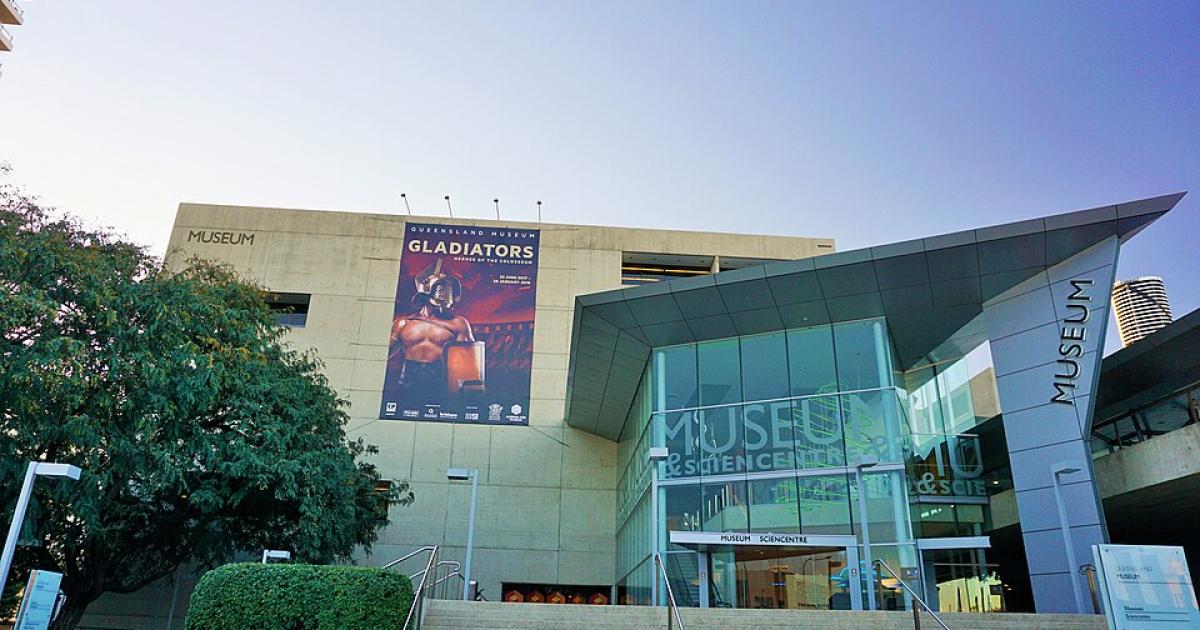
The revelations put the museum under public pressure. Michael Berkman, Green MP for Maiwar in the state of Queensland, said at the time: “The Queensland Museum is basically running a marketing campaign for a fossil fuel company whose operations are directly responsible for wrecking the Great Barrier Reef and destroying cultural heritage in the Torres Strait.”In October, then CEO of Queensland Museum Jim Thompson defended the sponsorship in a letter to Comms Declare.“[The programmes] are designed to foster critical thinking, evidence-based learning, and engagement with Queensland’s natural history,” Thompson wrote. “Partnerships are structured to support these objectives without influencing scientific content, priorities, or public messaging.”Thompson told Comms Declare that the museum needs corporate sponsorship to supplement state government funding it receives, which equates to 70 per cent of its approximately AUD 62 million annual budget from the Queensland Government.The board did “comprehensive due diligence and risk assessment” before approving the partnership, he added. BreachHowever, in December, Thompson retired and was replaced as CEO by Renai Grace. Protestors handed out flyers at the Museum over Christmas against the sponsorship, and Queensland Conservation Council has started a petition. Grace has written to local protestors promising to review the materials and to set up independent reviewers. The museum has also removed at least one of the learning materials from its website. “From our point of view, only a policy to prevent fossil fuel sponsorships, and a promise to not renew the Shell deal would be sufficient to restore the museum’s reputation,” said Noble.Comms Declare believes that the partnership may put the museum in breach of the Queensland Museum Act, which requires the museum to provide “leadership and excellence” in communicating the state’s natural heritage. SpeciousA legal analysis it commissioned from the Environmental Defenders Office, Australia’s largest environmental legal centre, notes that the act stipulates that the preservation, research and communication of Queensland’s cultural and natural heritage should provide ‘leadership and excellence’.The centre told Comms Declare that the partnership was ‘inconsistent with the objectives of the Queensland Museum’ because greenhouse gas emissions from Shell QGC’s operations directly impact Queensland’s natural heritage and Torres Strait Islander cultural heritage by causing climate change and sea level rise.In response to the legal analysis, the Greens called call on Queensland Arts Minister John-Paul Langbroek to intervene and end the Queensland Museum’s partnership with Shell QGC.During questioning at a September session of Parliament, Langbroek told Berkman he hadn’t read the Environmental Defenders Office’s legal advice, despite confirmation from his office that it had been received. Langbroek called the link between Shell QGC’s emissions and the partnership’s legality “a specious line”.Langbroek did not respond to requests for comment from The Ecologist. PatternAccording to the museum, the Shell QGC-sponsored learning materials have been downloaded over 400,000 times, while 1,700 teachers have received professional development, and 10,000 students have participated in events through partnership.The Queensland Museum’s partnership with Shell QGC fits a documented pattern of fossil fuel companies using cultural and educational sponsorships to influence public perception while lobbying against climate policies.Internal documents subpoenaed by a 2024 US Congressional investigation into climate disinformation from Shell, BP, Chevron, and the American Petroleum Institute revealed how oil giants have used sponsorships to cultivate “nontraditional local allies,” ward off climate regulations, and build networks of “third-party advocates,” DeSmog reported in May 2025.In a statement, a Shell spokesperson said: “Shell has a long and valued relationship with Queensland Museum, supporting the Future Makers program, which encourages school-aged students to take an interest in STEM through fun and engaging activations. We have no role in developing or approving any of the museum’s materials.”These AuthorsEllen Ormesher is a reporter with interests across climate, culture, and industry. She was previously a senior reporter covering sustainability at The Drum. Her work has also been featured in The Guardian.Catherine Early is the chief reporter for The Ecologist and a freelance environmental journalist. Find her on Bluesky @catearly.bsky.social.