Sana'a under siege
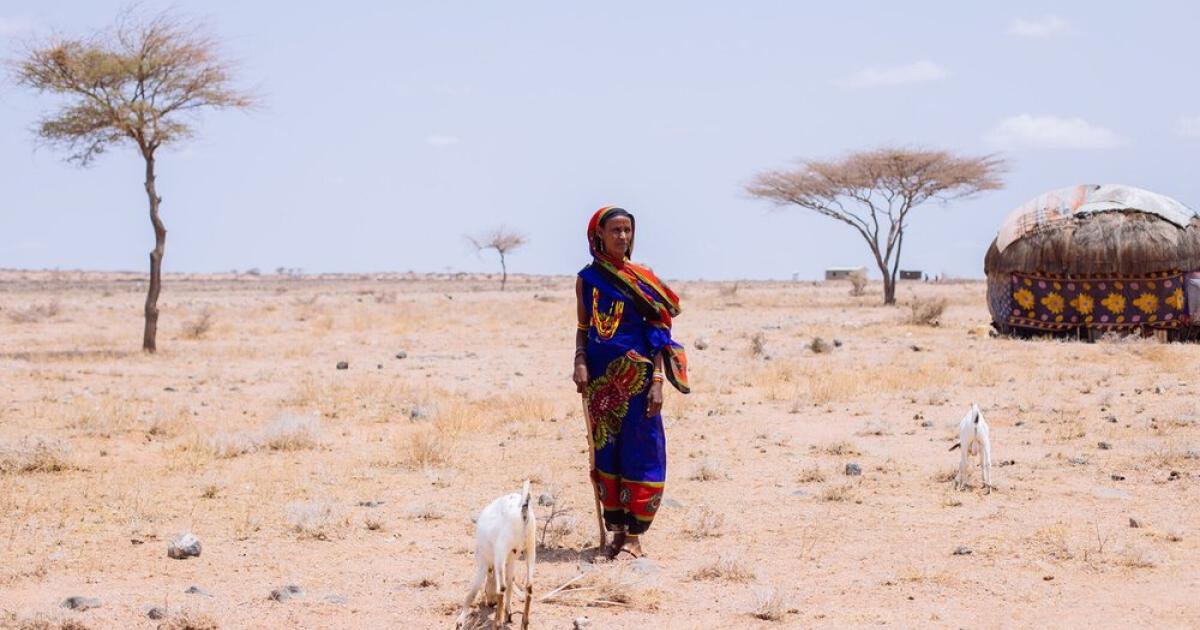
OilThe current conflict has led to economic decline and the collapsed public services, leaving 18 million people without clean water. The World Bank, through UNOPS, is working to improve access to clean water for three million people by rehabilitating infrastructure and providing essential equipment. More than 16 million people are food insecure. The import requirement for cereals to guarantee a sufficient calorie intake in 2021 was 4.3 million tonnes, including 3.2 million tonnes of wheat, 700,000 tonnes of maize and 400,000 tonnes of rice, according to the Food and Agriculture Organization of the United Nations forecast.The World Health Organisation estimates outdoor air pollution causes about 1,100 premature deaths annually.Air pollution in Yemen is primarily caused by vehicle emissions, particularly in cities such as Sana’a, followed by the oil industry in coastal areas. Urbanisation, desalination plants, mining, quarrying, power plants, and heavy construction equipment also contribute. TeetersThe ecosystem, like the heritage architecture, is cracking under pressure. Prolonged conflict, recurring drought, overexploitation, and widespread land degradation have accelerated habitat loss and genetic erosion of these ecologically and culturally important trees. Yemen has experienced a significant decline in native plant species, particularly the Sidr (Ziziphus spina-christi), olive (Olea europaea), and various Acacia species, which dominate traditional woodlands such as the Tihama and Acacia-Commiphora ecosystems.In the Sana’a Basin and surrounding highlands, vegetation cover has decreased by an estimated 30 per cent in recent years, driven by soil erosion, urban expansion, and reduced water availability, placing additional pressure on already vulnerable native flora critical for food security, traditional medicine, and ecosystem stability. In Yemen, prolonged blockade and unrelenting conflict have turned an already fragile environment into a full-blown humanitarian catastrophe, strangling the very systems that keep people alive. According to the UN Office for the Coordination of Humanitarian Affairs (OCHA), environmental infrastructure in Sana’a and elsewhere teeters on the brink of total collapse, crippled by restrictions that block the import of spare parts for water systems, chemicals essential for purification, fuel to run municipal pumps, and even basic tools for environmental monitoring.
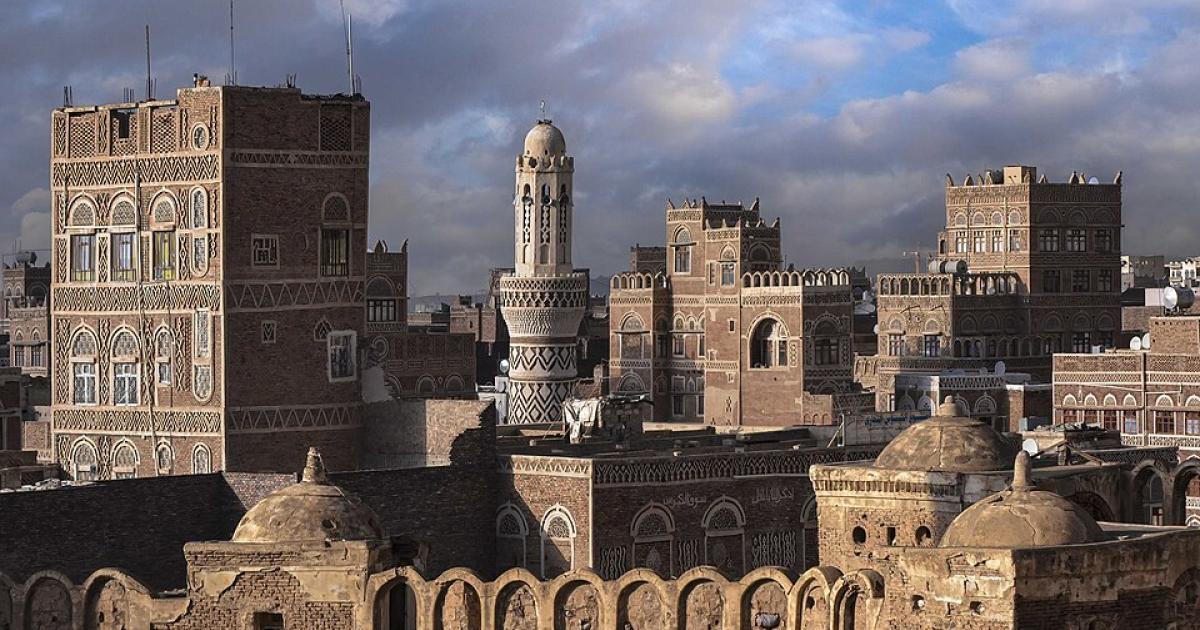
Desecration’ Sana’a by James P. Graham © 2017
OccupationsAs a result, mountains of uncollected garbage rot in the streets, raw sewage floods neighbourhoods, and polluted water seeps into underground aquifers, poisoning the limited sources Yemenis still have. What began as a war against buildings and people has quietly become a war against nature itself, leaving millions trapped in a slow-motion environmental collapse that kills long after the bombs stop falling. Ten years have passed since the start of the conflict in Yemen, which will soon enter its eleventh year. And still today the jewel of the Arabian Peninsula is witnessing intense airstrikes. In 2025 alone, it was subjected to more than a thousand airstrikes, and the country is experiencing an unprecedented economic collapse. Yet, Sana'a - the "impregnable fortress" - remains standing tall, as if to say, 'I am wounded, but I will not be broken'. For the past 2,500 years, Sana'a has rebuilt itself after invasions, epidemics, revolutions, and colonial occupations by the Abyssinians (Ethiopians), Persians (Sassanids), Ottoman Turks, Kurds (Ayyubids), and Egyptians (Nasserists). MinaretsIt is one of the oldest Arab cities to have been subjected to foreign occupation, but each time it revolted and regained its independence. Each time, the city utilised its ingenious earthen architecture and sophisticated water harvesting systems, inherited through generations, to rebuild and revive it anew.Today it needs to reconstruct sustainable water networks by combining traditional canals with solar-powered pumps and modern filtration systems, restore ancient agricultural terraces to protect the remaining arable land and combat food insecurity, implement an air quality monitoring system, and restrict imports of polluting fuels to reduce deadly pollution. It also needs to expand the UNESCO and EU-supported "cash-for-work" programmes which currently employ young people to install mud-brick towers and revive crafts in the old city, and reintroduce native plants and rooftop gardens to restore degraded ecosystems and naturally cool the city. These steps are not theoretical: the EU-funded heritage project alone has preserved hundreds of historic houses while creating jobs, and community-led rehabilitation of terraces is already underway in surrounding areas. The people of Sana'a have repeatedly demonstrated their ability to rebuild using local materials and traditional knowledge. With targeted international support that respects these traditions instead of replacing them, the City of a Thousand Minarets can rise again.This AuthorSamar Azazi is a Yemeni scholar specialising in women, gender, development, and postcolonial studies in the Middle East. She is a research fellow under the Indian Council for Cultural Relations (ICCR) programme and is pursuing a PhD in Development Studies at the School of Gandhian Thought and Development Studies (SGTDS), Mahatma Gandhi University (MGU), Kottayam, Kerala, India.