What is 'fibremaxxing' and why has it boomed in popularity?
Social media is rife with wellness trends, from mouth taping and 'sleepy girl mocktails' to hot girl walks and even bed rotting. But there's one trend that might be worth adopting: fibremaxxing.
With protein having had its day in the sun already, championed by scores of fitness and wellness influencers who assert how important it is to consume your RDA of protein - or even double it! - fibre has arguably taken over as the nutrient du jour, as creators share recipes for meals, snacks and drinks to help us hit our fibre goal for the day.
With colorectal cancer rates skyrocketing in young people and those aged under 55, particularly in the US, fibre has become a buzz word for protecting your health in the future, and generally improving your gut.
Orla Walsh, a Dietician, joined Drivetime to share her thoughts on the trend, saying: "I usually dislike trends immensely, but I quite like this one because dieticians have been screaming from the rooftops for years now trying to get people to increase their fibre intake."
Walsh explained that the average amount of fibre that we eat in Ireland is around 18g, while we need to be eating 30g. "Most people listening to this show will be fibre deficient", she added.
"When it comes to fibre, we get it not only from the wholegrains that we eat but from the fruits and veg and nuts and seeds and the likes of pulses, so beans, peas and lentils."
Reaching your fibre target for the day only needs a bit more effort, Walsh said. In this sense a trend like fibremaxxing could do wonders for educating people about how much fibre they actually need and the benefits of increasing it in our diet.
However, going overboard with eating fibre can bring its own problems.
"My worry with trends is that people will go gung-ho and then give themselves awful gut issues", Walsh added. "Another problem with a trend is that companies will respond and just start mashing fibre into all sorts of food products, and the problem with that is they'll probably be putting in the same sort of fibre into everything, and that could lead to gut issues too."
There are hundreds of types of fibre, Walsh explained, and her concern is that companies will add the kind that is cheap, tasty and easy to incorporate into a product. This means that consumers will possibly get a lot of the same type of fibre, when in reality a diverse mix of types is best for our gut.
For example, she points to protein bars that have a lot of fermentable fibres in them, which can leave people feeling bloated and unwell if consumed a lot.
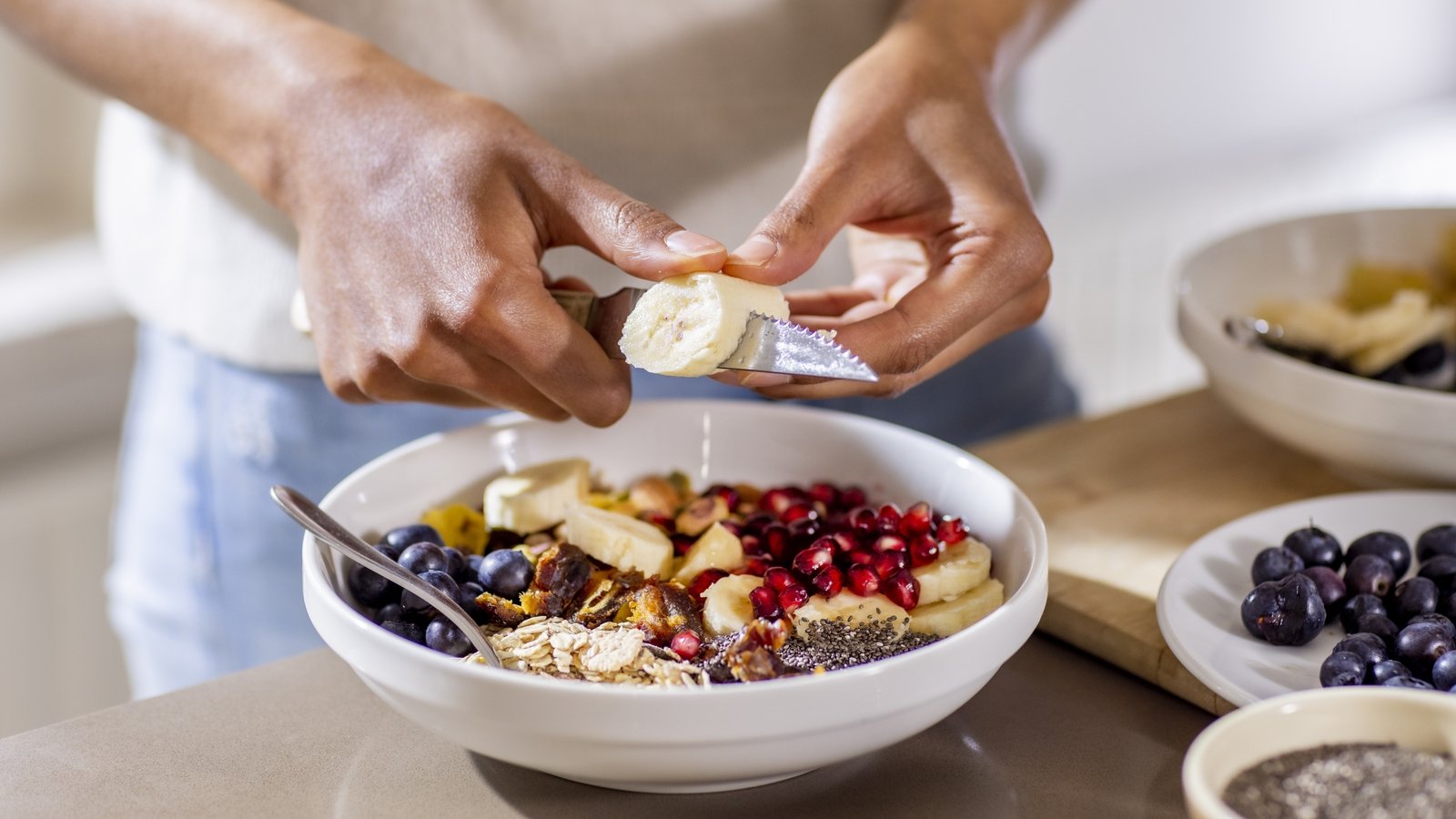
Walsh recommended eating seven portions of fruit and veg a day, ideally in different colours of the rainbow, as well as opting for the brown versions of carbohydrates such as brown bread and brown rice. She added that upping our use of pulses, because they're high in protein as well as fibre, as well as nuts and seeds, which are particularly heart-healthy.
As for discerning how nutritious a food is when it comes to fibre, Walsh said to look for items that have more than 6g of fibre per 100g.
"I would say, though, if people are concerned about their fibre intake, to increase it slowly. Low and slow, as they say, nothing more than an extra 5g of fibre a day, and if you're adding in fibre, you really have to add in water or else you might clog your pipes and cause yourself some awful issues."