'Severe' punishment facing any Brits who refuse conscription as Russia fires WW3 threat
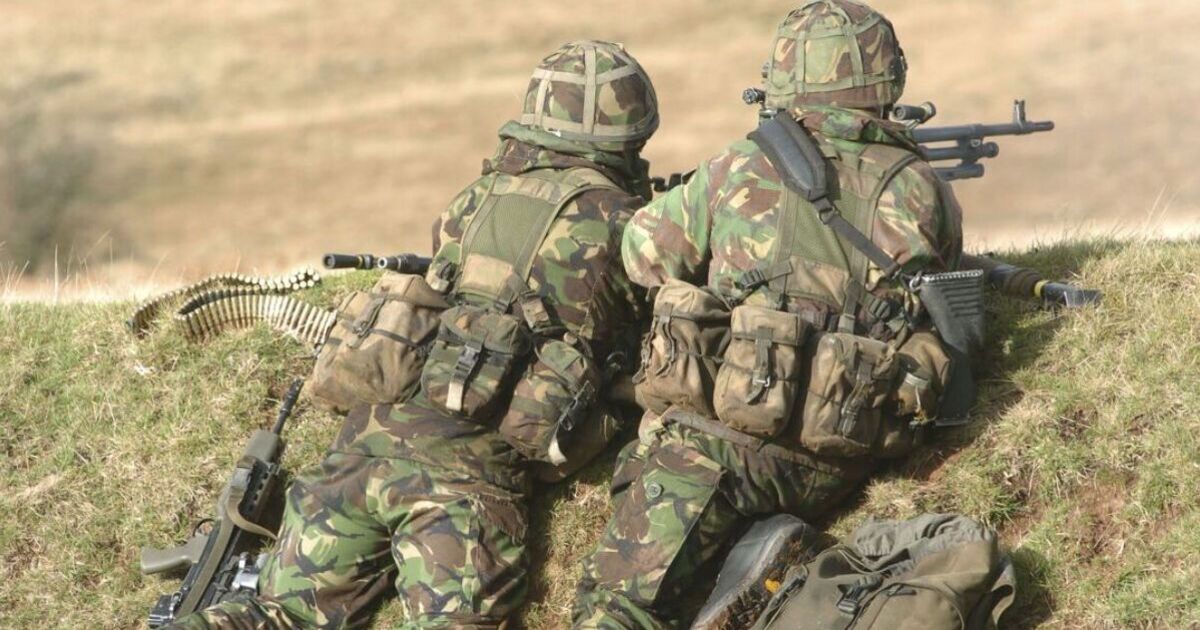
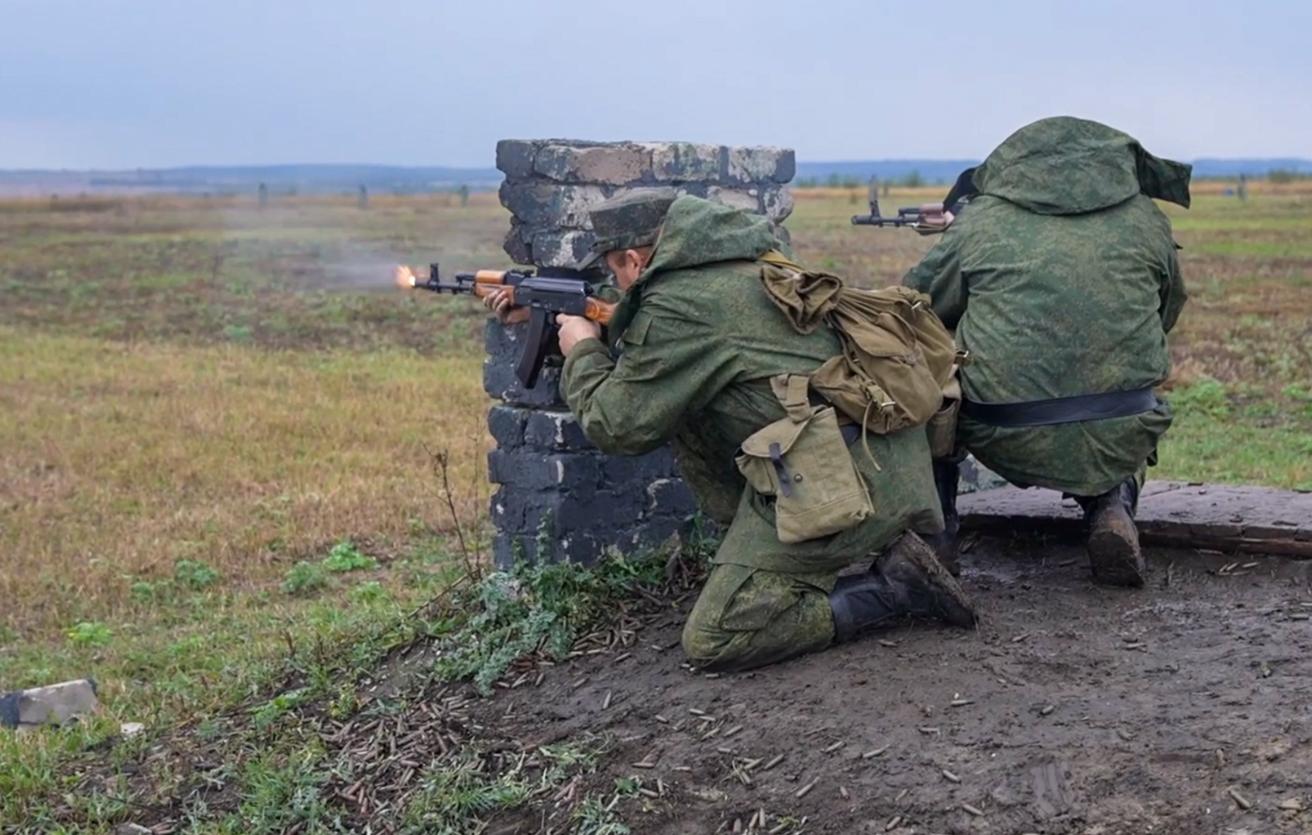
A "severe" punishment could face any Brits who refuse the calls of conscription should World War 3 break out, a historian has warned.While conscription has only been implemented twice by the British government over the last 126 years – first from 1916 to 1920 and again between 1939 and 1960 – concerns are mounting that it could make a comeback if another worldwide conflict erupts.Donald Trump's aggressive stance on both Iran and Greenland, chimed with Russia pressing on with its unlawful invasion of Ukraine have fuelled tensions. Putin's allies have even been delivering chilling threats to Europe in recent weeks.Sergey Karaganov, from Russia's Council for Foreign and Defence Policy, recently issued an ominous warning that Russia would resort to nuclear weapons if faced with defeat.Speaking to Tucker Carlson, he said: "What is defeat of Russia? If Russia comes ever close to a defeat, that would mean that Russia now would use nuclear weapons and Europe would be finished physically."And with earlier assertions that the British Army is at its weakest point in decades, Prime Minister Keir Starmer might potentially resort to conscription to bolster troop numbers.In an exclusive interview with Express.co.uk, historian and author David Swift outlined the potential consequences that could befall Britons who fail to respond to a conscription order.Mr Swift suggested that instead of jail sentences, financial penalties might be levied on those who decline to register.He explained: "I imagine it would be fines rather than imprisonment or anything like that, due to: 1. Lack of prison capacity. 2. Difficulty enforcing and lack of legitimacy and 3. That 'conscription', if introduced, would be very much focused around monetary reward."Regarding the scale of potential fines, Mr Swift suggested that Britain could mirror the approach taken by Greece. The Greek government imposed a €6,000 (£5,213.19) penalty for failing to register, though in 2019 the nation considered scrapping the fine entirely.David also suggested Britain might adopt the Swiss model, stating: "In Switzerland, you have to pay an additional three percent in taxes if you refuse military service for the duration of the time you were meant to be in military training."This way, the fines are severe enough so that they present a genuine disincentive not to serve (if it was only a few hundred quid you would have lots of people opting out), but not as severe as imprisonment."This isn't the first time David has weighed in on conscription. Earlier this month he revealed that whilst one particular group could face conscription, others might be excluded. David stated: "Today, since there is such an urgent need to rebuild Britain's defence industries and industrial capacity, I would expect that people in these important occupations would be exempt."Or even that people could be 'conscripted' into working in these industries, and that military conscription would target unemployed graduates - this would be very popular with lots of people and especially the Blue Labour thinkers behind Starmer."His remarks come as local government leaders are being encouraged to bolster their defences against potentially devastating cyber attacks by Russian 'hacktivists', known as 'denial-of-service' attacks.Jonathan Ellison, the National Cyber Security Centre's Director of National Resilience, issued a stark warning to the UK's service providers in an interview with the Express. He urged them to strengthen their defences or risk disaster.Jonathan cautioned: "We continue to see Russian-aligned hacktivist groups targeting UK organisations and although denial-of-service attacks may be technically simple, their impact can be significant."By overwhelming important websites and online systems, these attacks can prevent people from accessing the essential services they depend on every day."All organisations, especially those identified in today's alert, are urged to act now by reviewing and implementing the NCSC's freely available guidance to protect against DoS attacks and other cyber threats."In light of Russia's escalating hostility, nations such as Sweden, Finland, and Norway have provided their citizens with guidance on how to endure a conflict-based crisis.Speaking to the Mirror, Professor Anthony Glees from the University of Buckingham suggested that the UK should now do the same with its own "short, decently written booklet".