Saks Global: When Bankruptcy Is Your Best-Case Scenario…
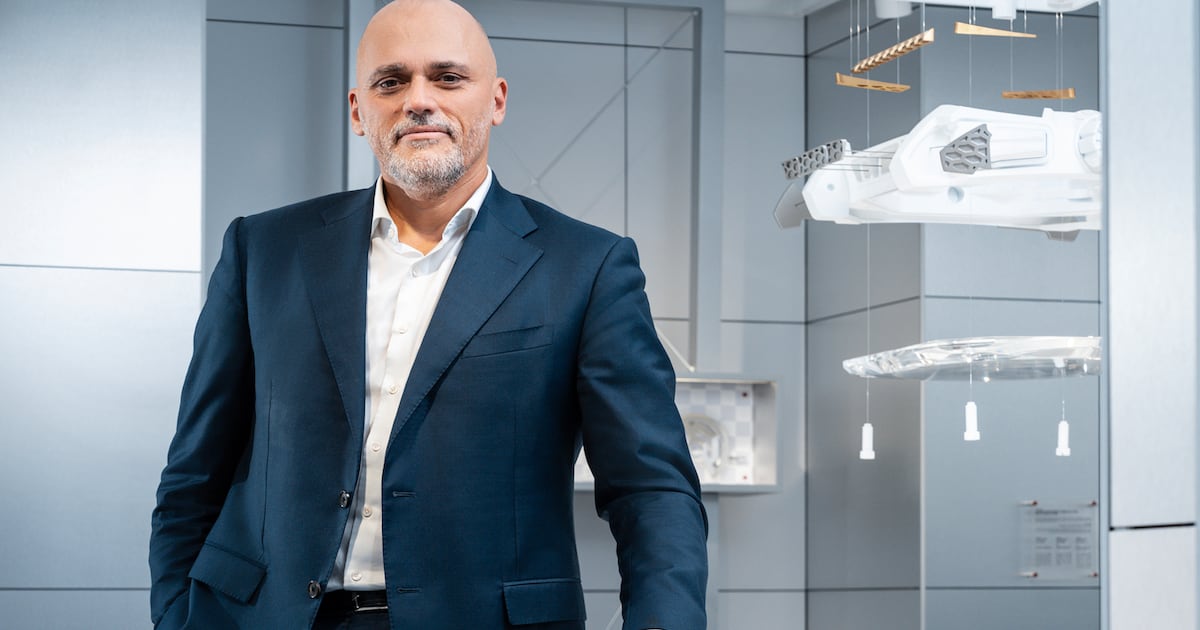
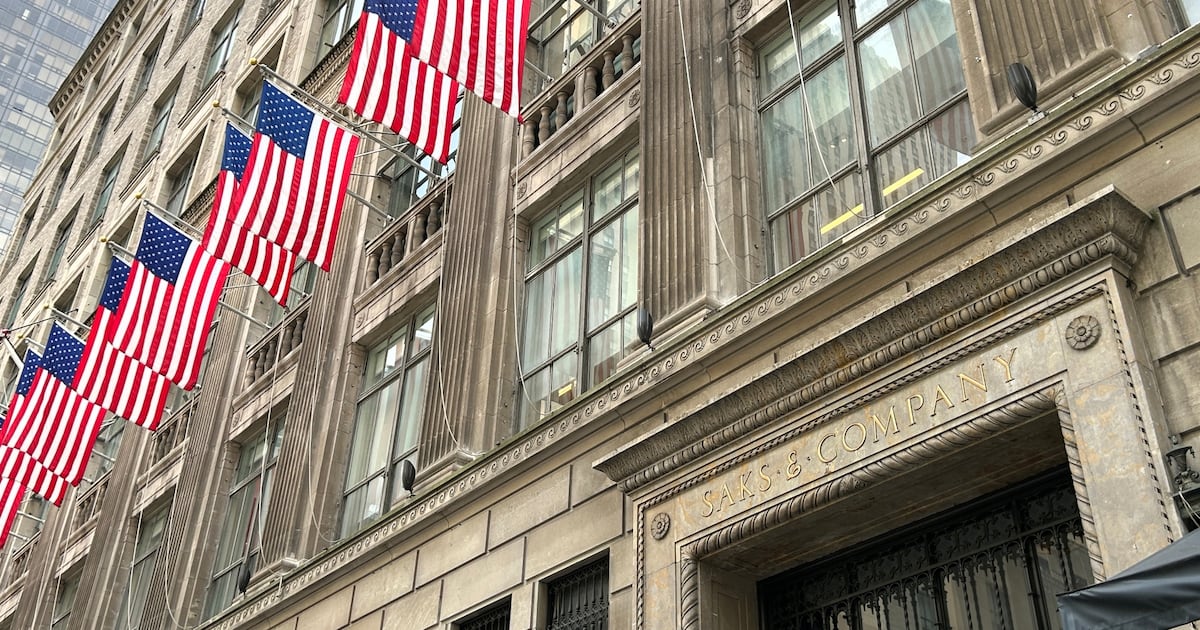
When Saks Global finally announced its bankruptcy filing this week after months of financial strain, it evoked less shock than relief from within the fashion industry. After all, the value of the retailer’s debt had been sliding since last spring, signalling investors at least were losing faith. That sentiment was increasingly shared by vendors chasing missing payments and ordinary shoppers who noticed some of their favourite brands were suddenly missing from Saks and Neiman Marcus stores. Saks’ Chapter 11 filing revealed $3.4 billion owed to creditors, but also included a plan to continue operating — and pay vendors — with $1.75 billion in new and restructured financing. While portions of this package still need court approval, it appears that Saks has for the time being at least avoided the need for widespread store closures, or even liquidation. The heads of several brands that work with Saks Global said they believe the company and its stores will emerge from the bankruptcy process in a more stable position. “After chapter 11, there’s more certainty in getting paid,” said accessories designer Lele Sadoughi, whose namesake brand has been stocked at Neiman Marcus for 15 years. In a statement to BoF, fashion financier Gary Wassner called Saks’ Chapter 11 filing the “best outcome” considering its challenges. The bankruptcy process can wipe away Saks Global’s crippling debt. But it also raises an uncomfortable question: Is there a future for luxury department stores in America?When Saks merged with Neiman Marcus and Bergdorf Goodman at the end of 2024, it created a US luxury retail giant with no true equal. Bloomingdale’s and Nordstrom sell many of the same brands, but aren’t so laser focused on the pure luxury customer. Other high-end retailers, like Elyse Walker and Dover Street Market, operate at a smaller scale, or are online only, like Mytheresa and Ssense. Even if Saks does indeed emerge from bankruptcy a stronger and a more responsible partner, it would still need to grapple with the fundamental pressures bearing down on multibrand retail: a discount-chasing customer, brands’ growing preference for direct-to-consumer channels and the rising operating costs associated with physical retail, just to name a few.New management and a reduced debt load will give Saks a fighting chance. Imagine if instead of scrambling to meet a $100 million interest payment due at the end of December, Saks could have invested that amount in giving shoppers a lavish holiday shopping experience. Under new chief executive Geoffroy van Raemdonck, Saks Global will be steered by a leader steeped in luxury retail rather than real estate, marking a clear break from the Richard Baker era. While navigating bankruptcy is the immediate priority, the longer-term hope is that van Raemdonck can restore some of the Neiman Marcus magic to the company’s stores, refocusing the business on product, service and the in-store experience that once set it apart.Bankruptcy also provides cover for Saks to close underperforming stores in order to focus on turning around its best properties, a project the company was too slow to take on after the merger. But even a leaner, better-managed and better-capitalised Saks must still convince both brands and consumers that the department store model offers something they cannot get elsewhere. Bankruptcy can buy time, but it cannot on its own reinvent a model that has been eroding for years. Whether Saks emerges as a revitalised and disciplined operator or simply a slimmer version of its former self will determine not just its own fate, but the role of luxury department stores in the US market more broadly.