Legal challenge to approval of Slane bypass begins
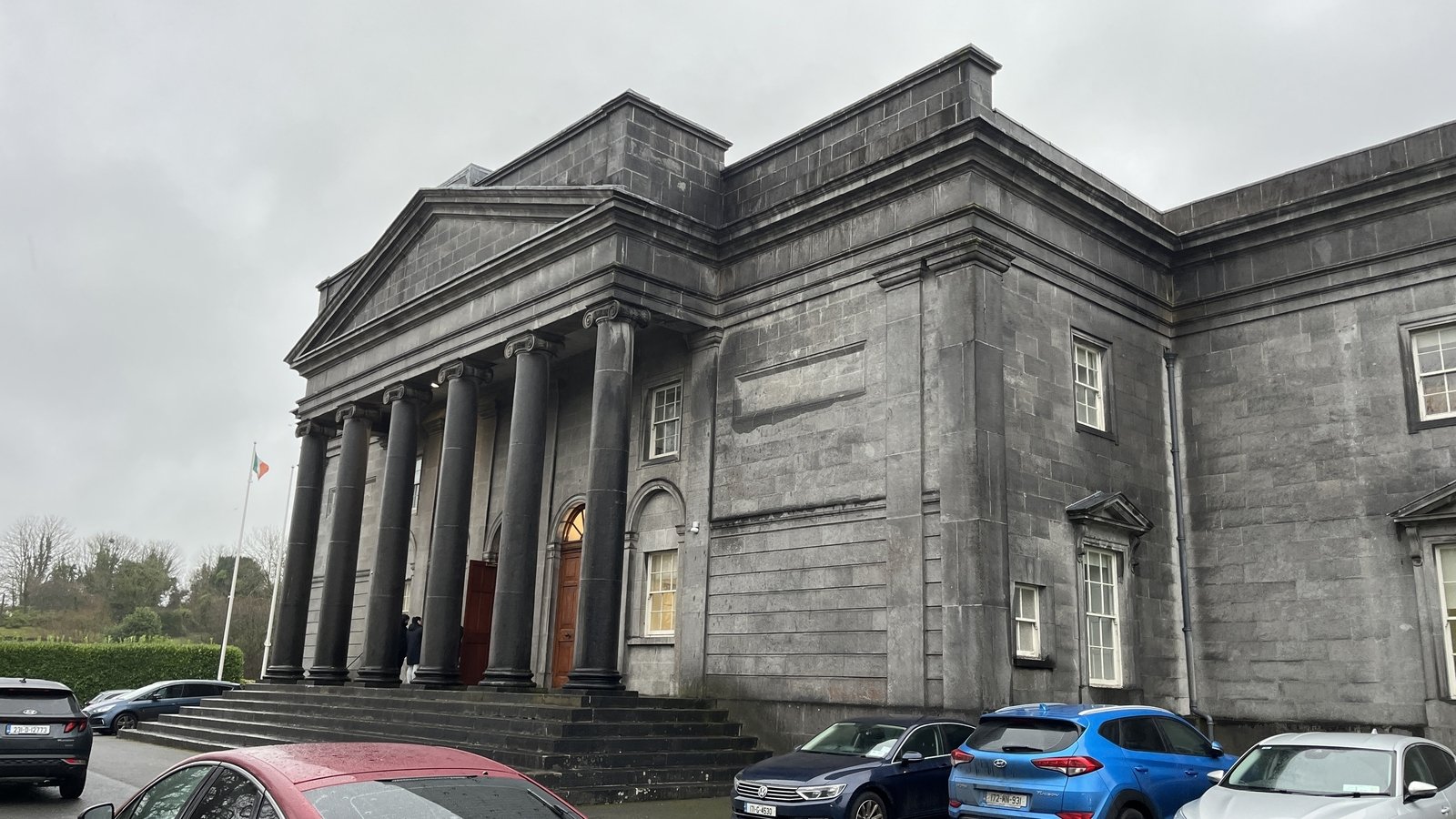
A legal challenge to the construction of the Slane Bypass in Co Meath has opened at the High Court.
The judicial review proceedings are being taken by former attorney general John Rogers, who owns land in the area.
A planning application for the road was granted by An Comisiún Pleanála last June.
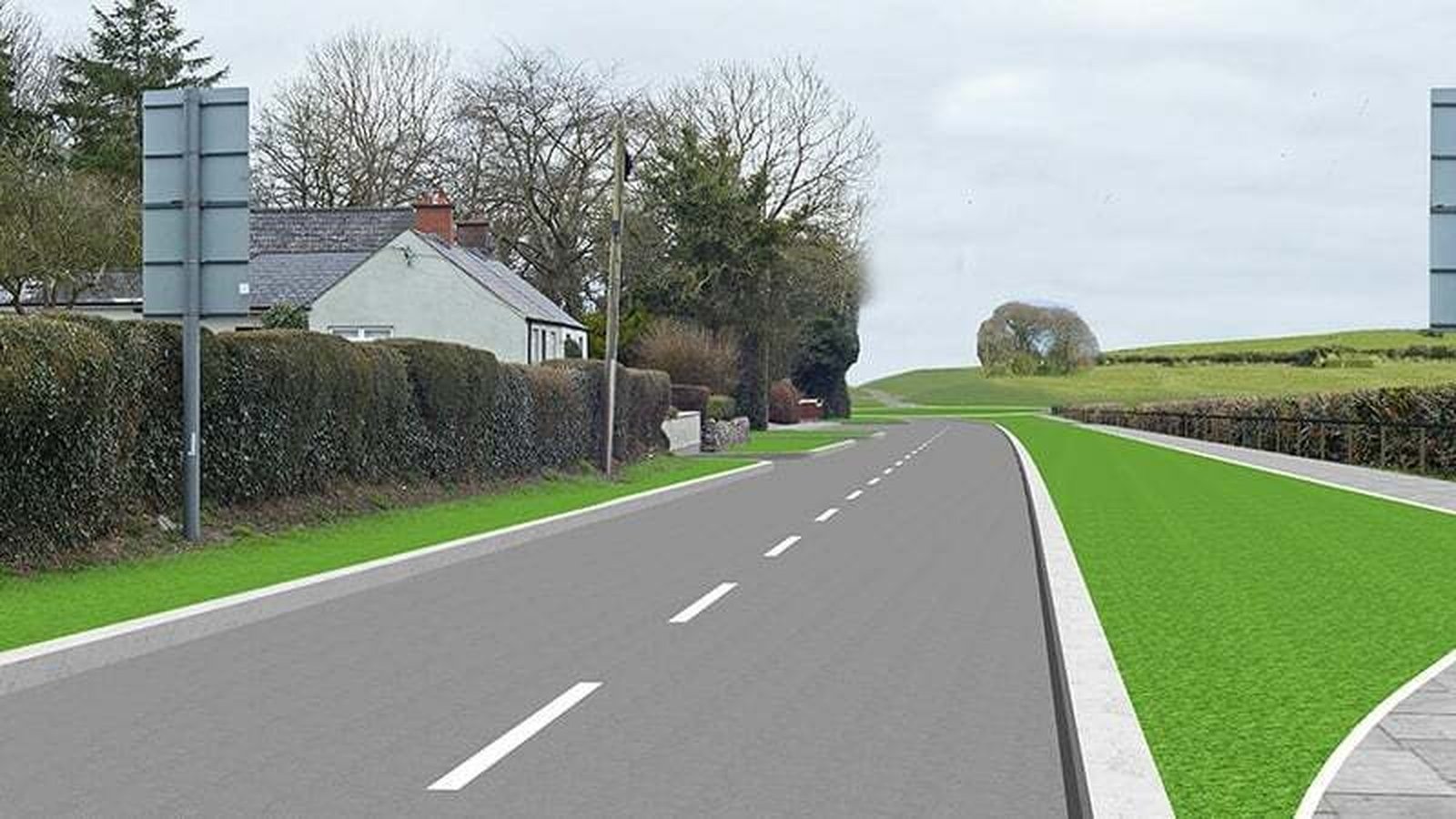
The project would see the construction of a 3.5km road around Slane village, including a dual carriageway, as well as a 258m bridge over the River Boyne.
Mr Rogers' action centres on whether An Coimisiún Pleanála had the relevant expertise to assess certain environmental submissions made by Meath County Council in relation to hydrology and hydrogeology.
The case, before Justice David Nolan, heard the former attorney general owns land east of the proposed development.
Senior Counsel Michael Cush said that his client was a senior counsel of long standing, with "extensive experience practicing in this particular area" and in cases requiring environmental impact assessment reports.
Mr Cush outlined a legal requirement on the planning authority to ensure that it has, or has access to, sufficient expertise to examine such reports.
He claimed that obligation had been breached.
Mr Cush also said the respondents in the case, Meath County Council and An Comisiún Pleanála, said there has not been a breach.
He told the court that the planning body had requested further information from the council on foot of a submission made by John Rogers' son during the planning application process, raising concerns about the possible impact on groundwater dependent habitats, as well as the presence of petrifying springs with tufa formation.
He had also raised concerns about the effect of the excavation on these features which they said constituted a 'priority 1' habitat.
The project would see the construction of a 3.5km road around Slane village
Experts commissioned by the council prepared a conceptual groundwater regime model and found that the area was unlikely to be significantly affected, Mr Cush said.
He argued that an ecologist engaged by An Coimisiún Pleanála "accepted" the information was accurate and agreed with the consultants on behalf of the notice party.
These ecologist findings, he said, were based on an assumption, not an assessment.
Mr Cush said the ecologist appeared to have no training or qualification in hydrology or hydrogeology.
It was clear, counsel said, that the particular field of expertise required had been lacking.
Mr Cush said that both the ecologist's and inspector’s reports were made "without the benefit of any expert".
It was Mr Rogers' case that "manifestly, they didn't have the expertise and manifestly didn't assess it".
Mr Cush said he acknowledged that An Coimisiúin Pleanála has its own expertise in relation to planning.
However, the board cannot be expected to have the requisite level of expertise in all fields, he said.
He described the project as a very significant development in two sites enjoying the highest level of protection under European Union law and in the "buffer zone" of a world heritage site.
The assertion of being in the "buffer zone" was disputed by lawyers for Meath County Council.
Mr Cush said this was a case where the lack of expertise was clearly made out.
An Coimisiún Pleanála approved the Slane bypass last June
Lawyers for An Coimisiún Pleanála denied that they did not have the expertise to examine an environmental impact assessment report.
Senior Counsel Fintan Valentine said that Mr Rogers had not presented evidence regarding the expertise of the inspector or the three members of the board.
He said the court was being asked to rule that the three people who granted the planning application did not have the expertise.
The judge could not do that, Mr Valentine said, because it had not been proven.
Counsel said the board "appreciated the historic archaeological and international significance of Brú na Bóinne".
He said the proposed development was 470m to the west of a previously-rejected bridge and was further away from Brú na Bóinne.
He said that An Coimisiún Pleanála deals with these reports and environmental impact assessment reports "day in and day out".
The opposition to the action was "very clear" as the board and its inspectors had the expertise and there was no evidence to find to the contrary, Mr Valentine said.
Meath County Council told the court that the planning board is not required to have specific expertise in every field of an environmental impact assessment report.
The case will continue tomorrow afternoon.
We need your consent to load this rte-player contentWe use rte-player to manage extra content that can set cookies on your device and collect data about your activity. Please review their details and accept them to load the content.