Trump administration restores $2 billion in grants for mental health, addiction
Without warning the Trump administration canceled grants late Tuesday for a wide range of addiction and mental health services, but the decision was reversed a day later after political backlash.
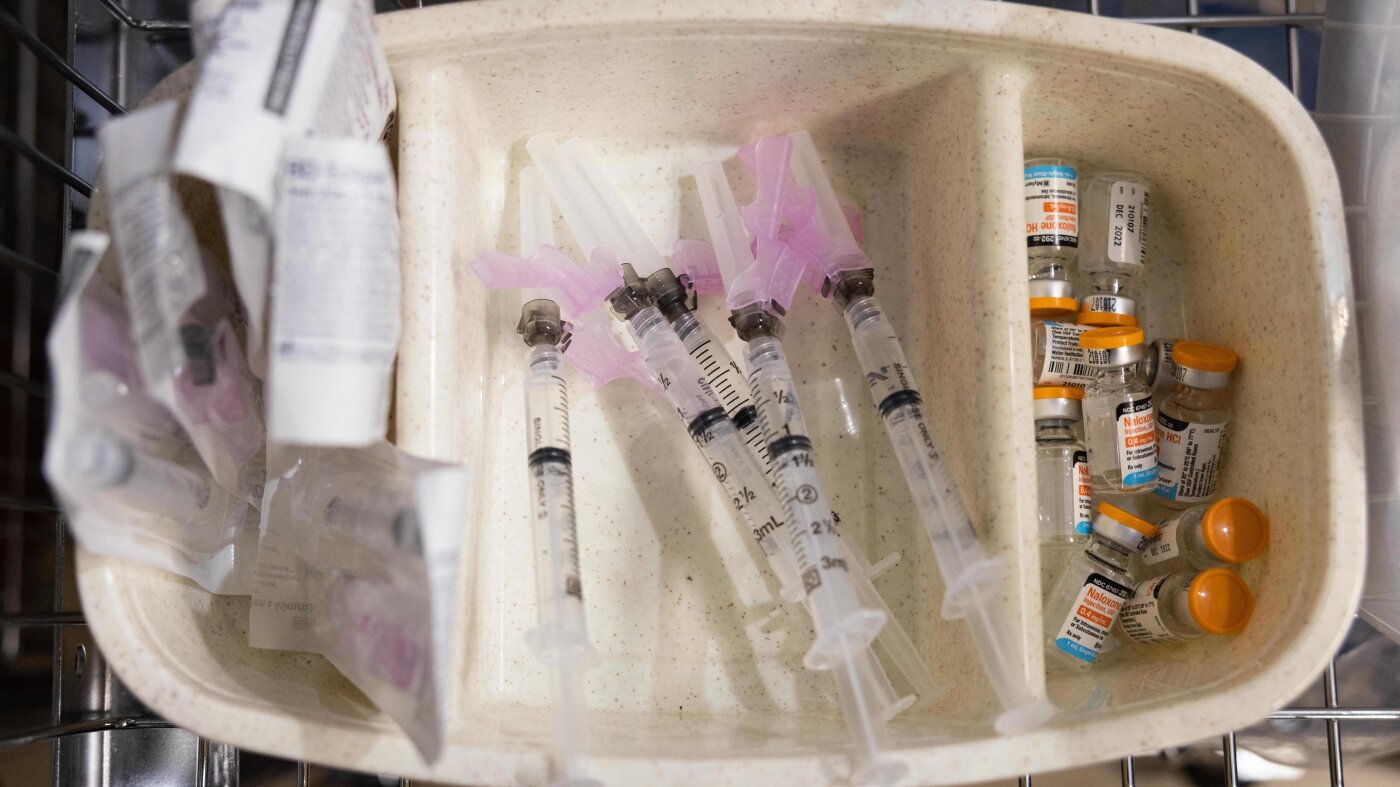
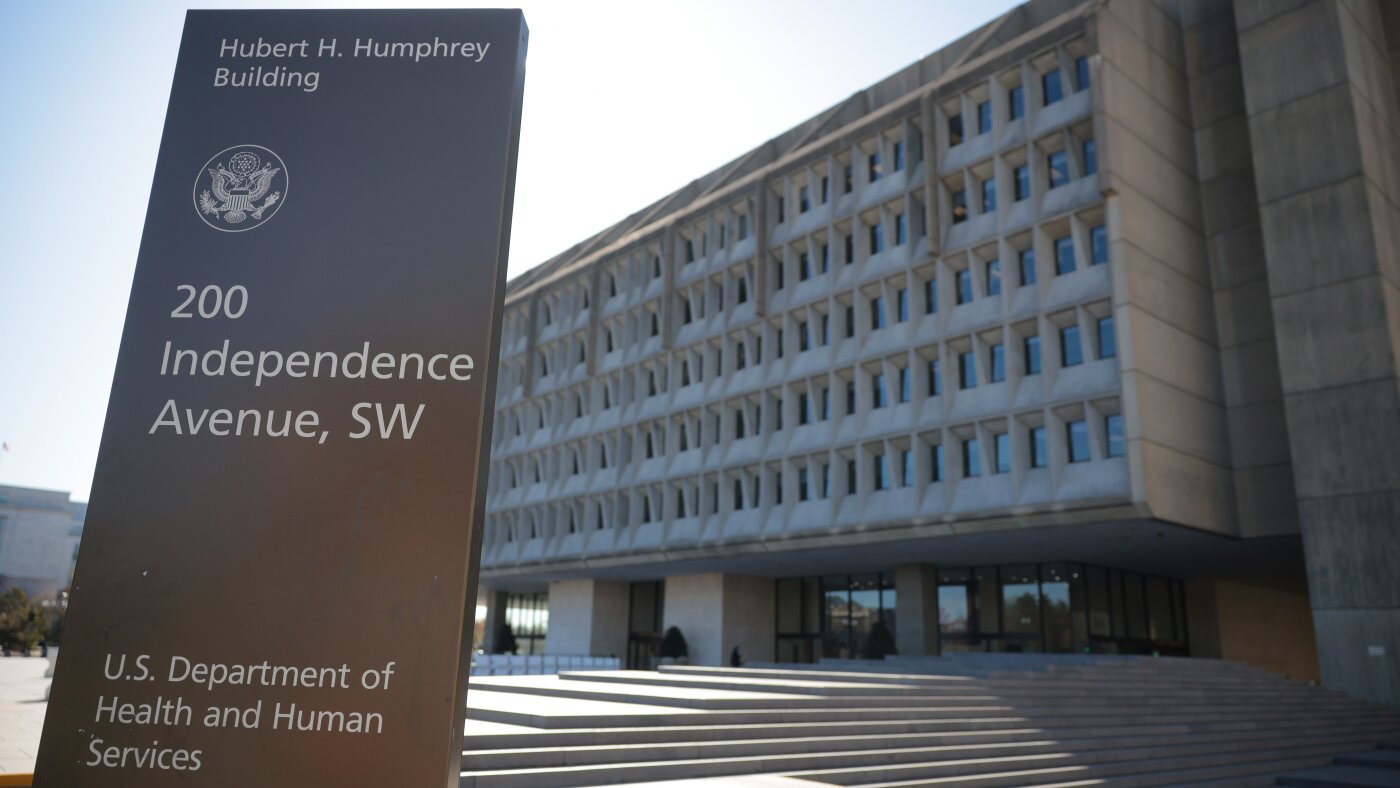
A MARTÍNEZ, HOST: After a day of confusion and backroom negotiations, the Trump administration last night restored roughly $2 billion in grant money for mental health and addiction programs nationwide.MICHEL MARTIN, HOST: The money had been cut off without warning, sending shockwaves through the country's public health system.MARTÍNEZ: NPR's Brian Mann broke this story. He's here to update us. Brian, so do we know for sure that all of these care providers are actually going to get that funding?BRIAN MANN, BYLINE: Yeah, that's confirmed.MARTÍNEZ: OK.MANN: NPR first reported Wednesday morning the Substance Abuse and Mental Health Services Administration was terminating these grants for roughly 2,000 organizations. These are front line programs helping some of the most vulnerable people in the country. The decision to slash the money came as a complete shock, and it triggered a huge political backlash.And so last night, an administration official confirmed to NPR that cuts are being reversed. They asked not to be identified because they didn't have permission to speak publicly about this move. They said organizations were being notified the full $2 billion in funding are being restored. I spoke about this with Hannah Wesolowski - she's with the National Alliance on Mental Illness - who said she's relieved but also exhausted.HANNAH WESOLOWSKI: After a day of panic across the country, nonprofits and people with mental health conditions are deeply alarmed, but hopeful that this money is being restored. That being said, this is hit after hit after hit.MANN: Wesolowski said these organizations are deeply demoralized. Over the last 24 hours, a lot of people thought they were losing their jobs. They thought their really sick patients were going to lose care.MARTÍNEZ: So any idea why the Trump administration reversed course like this?MANN: You know, A, it's not clear who actually ordered those termination letters to be sent out in the first place. And NPR also wasn't able to confirm who ordered this reversal. What we do know is that after NPR reported on the cuts, care providers like Dr. Dan Lustig, who runs an addiction treatment program in Chicago, started reaching out to lawmakers in Washington, D.C., with a simple message - that these cuts would have been dangerous.DAN LUSTIG: We provide treatment, life-saving treatment, because if people don't get access to treatment, they just die. And that's a fact. I mean, you could spin this any way people want to, but people are going to die.MANN: And it appears lawmakers got that message. There was a bipartisan effort to convince the Trump administration to reverse course. Again, here's Hannah Wesolowski.WESOLOWSKI: We heard from offices on both sides of the political aisle, who were working on this issue throughout the day and really speaks to the power of the collaboration on this issue.MARTÍNEZ: All right, Brian, so the money is on the way this time, at least. What does this whiplash kind of a day really say about the direction of leadership of public health in the U.S.?MANN: Yeah, it's a remarkable moment. People I've been talking to say the country feels rudderless with public health. On Tuesday, all these programs are being defunded. No one's sure why. Now the money is restored, again, no clear explanation. For months, the Trump administration has been signaling that they think many of the country's current public health programs are ineffective and need to be replaced. But people I'm talking to say there's no clear plan, just these moments of disruption and chaos. The fear is the federal government could dismantle the current safety net without putting anything new in its place.MARTÍNEZ: All right, that's NPR addiction correspondent Brian Mann. Brian, thank you for your reporting on this.MANN: Thanks, A.
Copyright © 2026 NPR. All rights reserved. Visit our website terms of use and permissions pages at www.npr.org for further information.
Accuracy and availability of NPR transcripts may vary. Transcript text may be revised to correct errors or match updates to audio. Audio on npr.org may be edited after its original broadcast or publication. The authoritative record of NPR’s programming is the audio record.