What conscription could really look like as Russia brands British soldiers 'legitimate targets'
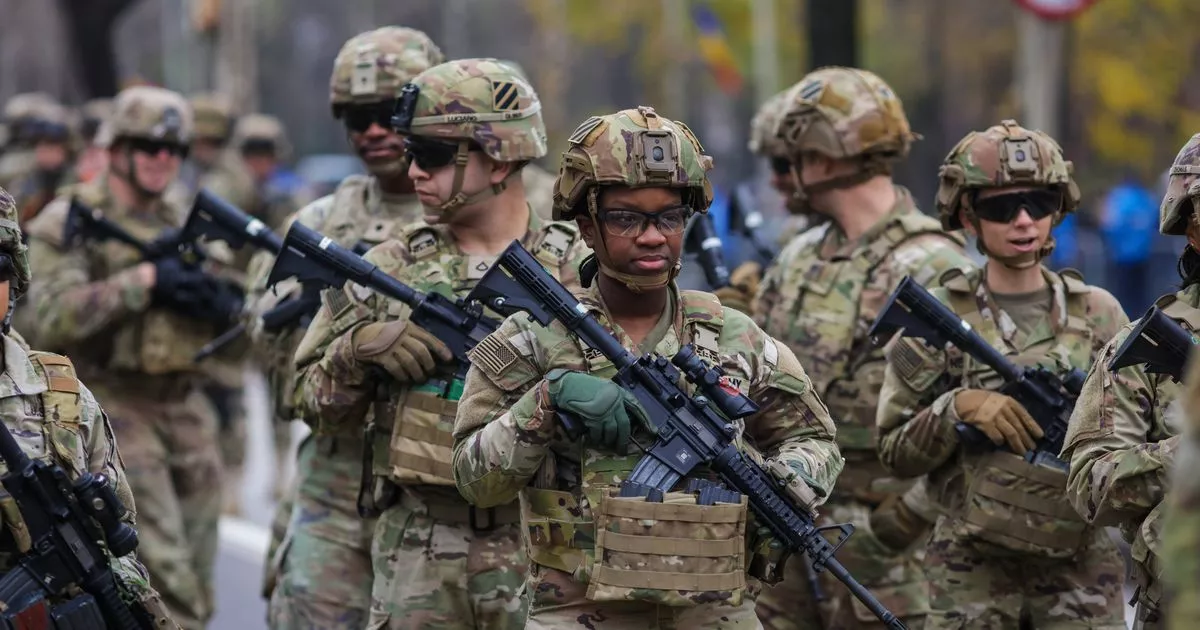
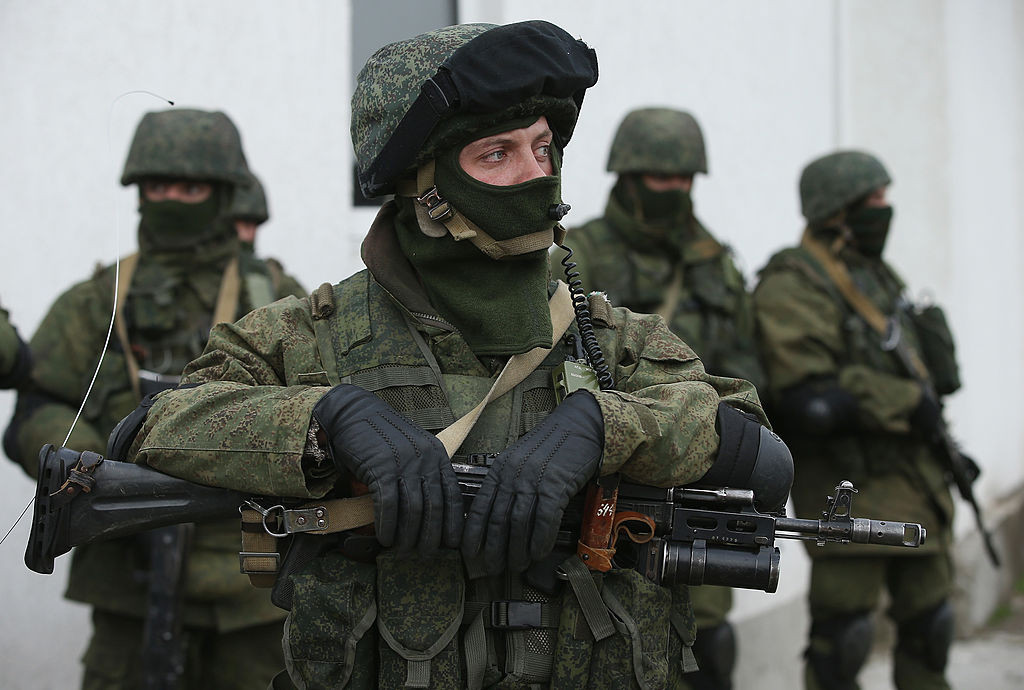
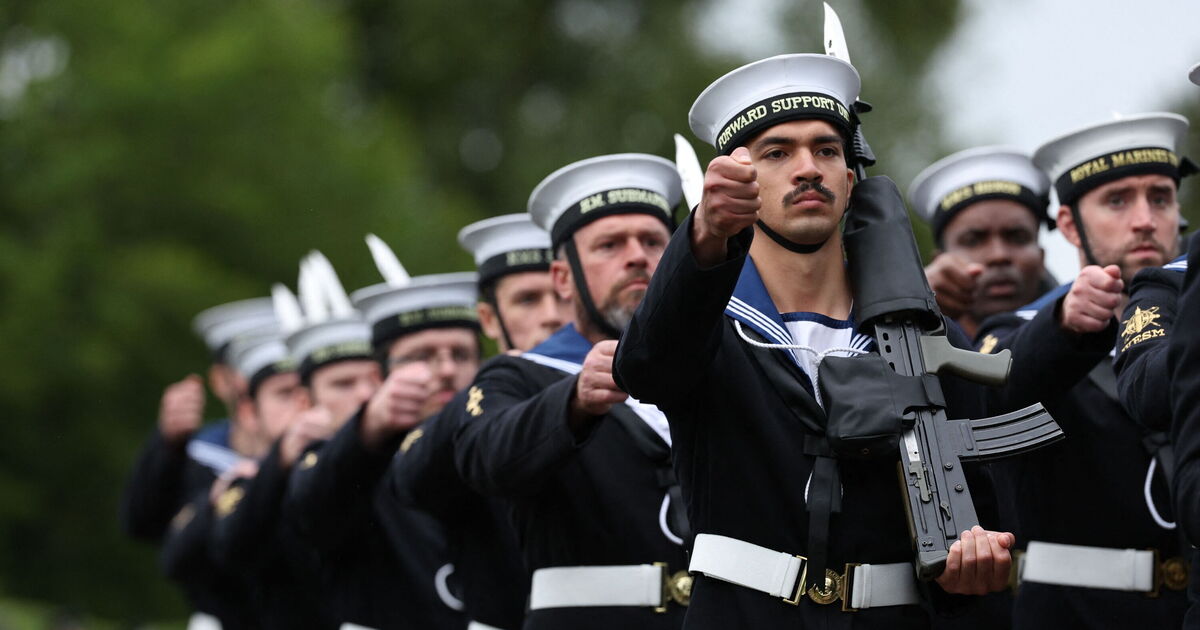
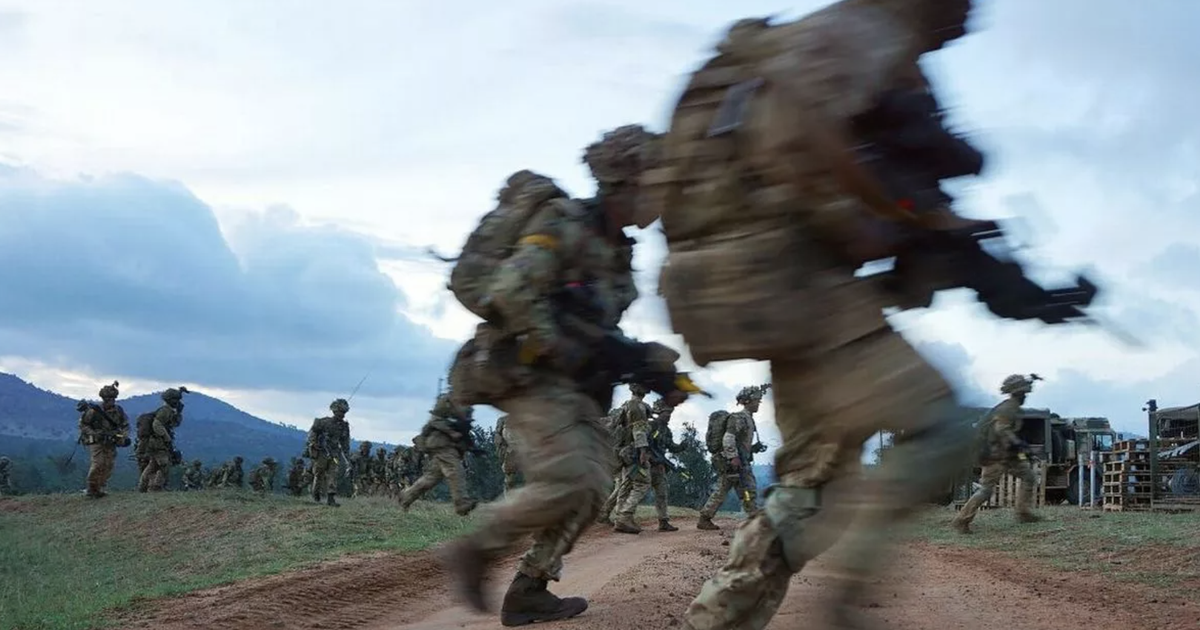
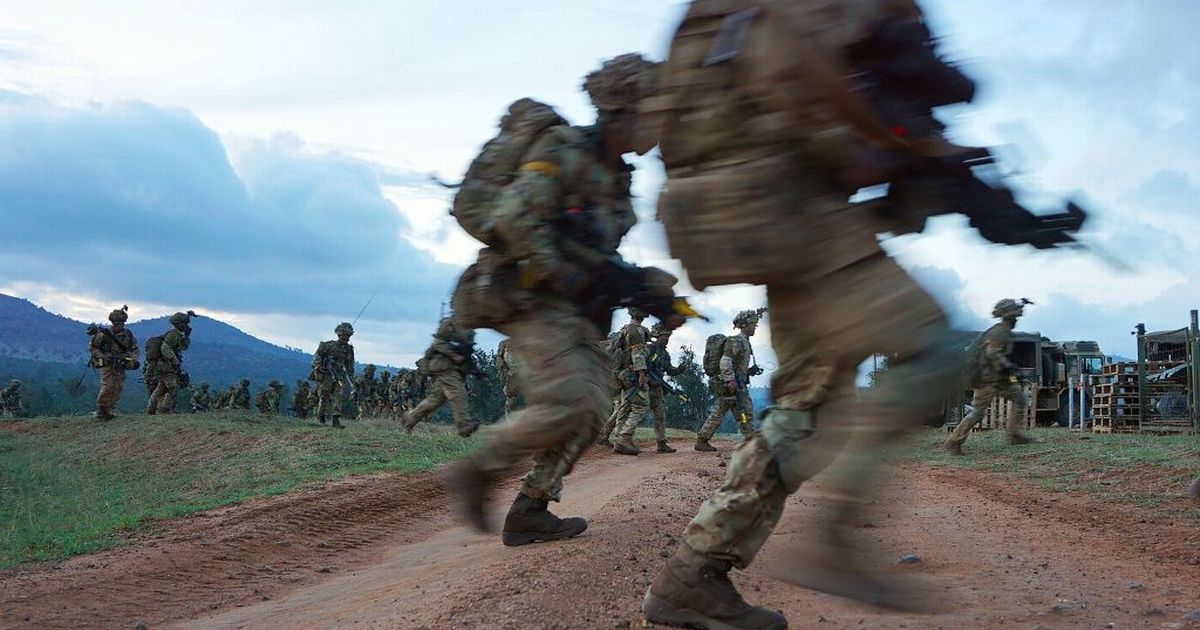
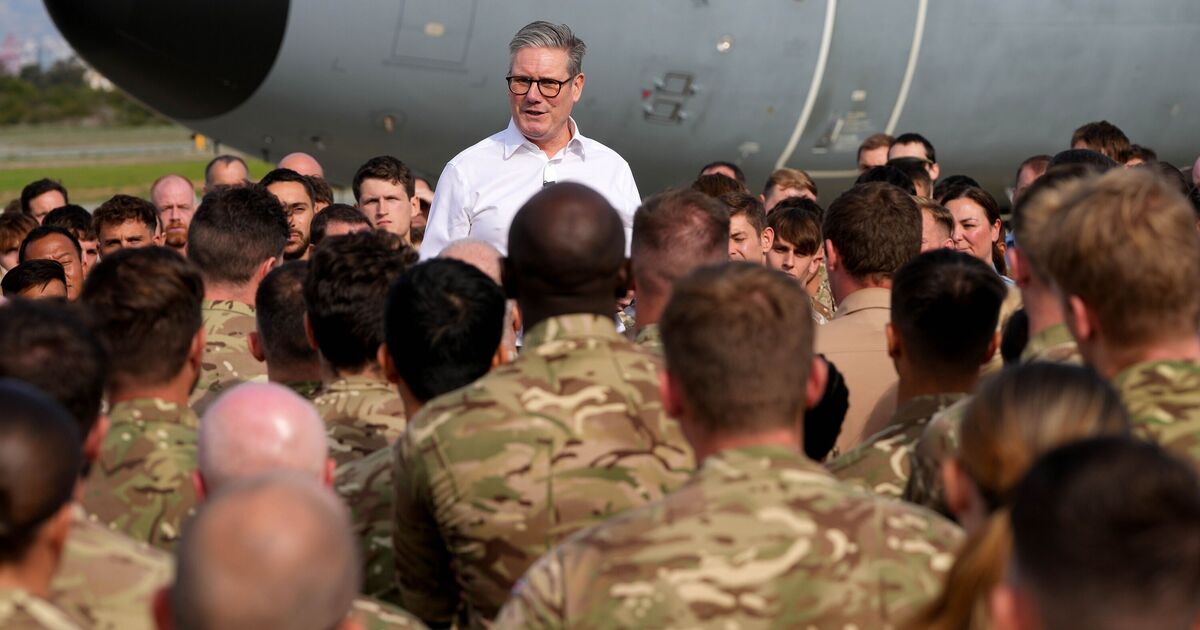
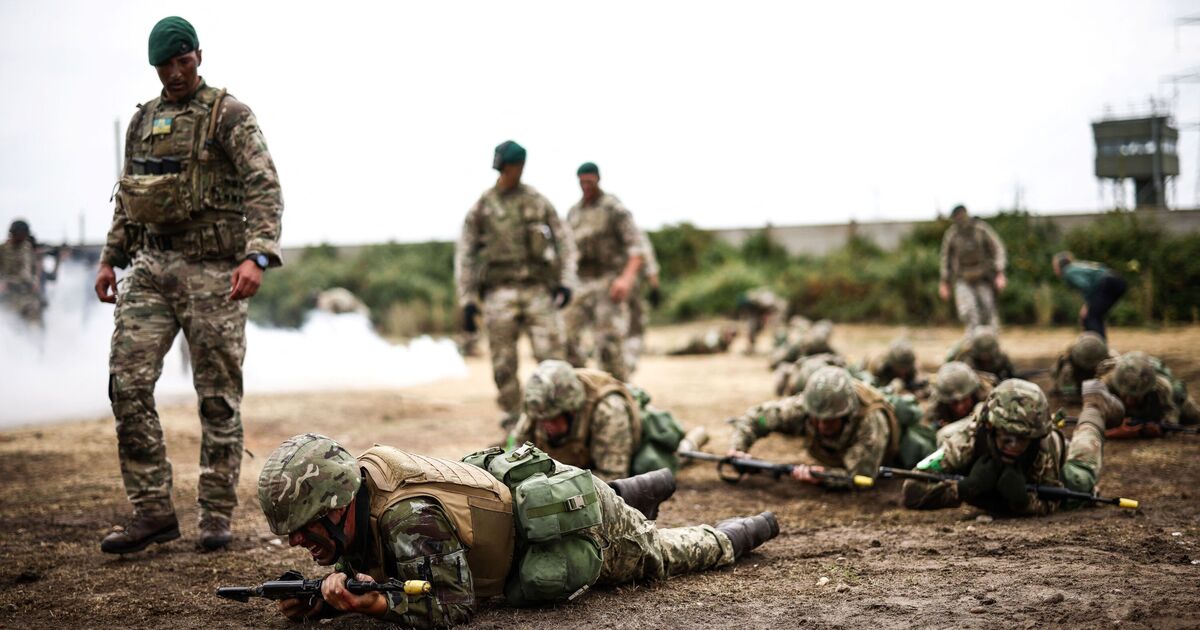
As the UK prepares to launch a new scheme for the under 25s, one expert gives his take on what National Service could entail in the 21st century.As reports emerge of 'gap year soldiers' being trained up to fight in war zones, an expert has made some intriguing predictions on what it could mean for our young people. Open for recruitment in March 2026, under-25s will reportedly be able to access a new gap year military programme amid the backdrop of Russian threats.The scheme, aimed at boosting army recruitment and helping young people build life skills, is modelled on a similar initiative in Australia. It will kick off with a small cohort of 150 with aims of reaching more than 1,000 each year.Our sister site, the Mirror, takes a look at what conscription in the UK might actually look like in 2026. Young civilians will be introduced to life in the military and equipped with transferable skills should they decide not to enlist.It's understood that there is no commitment to join full-time; however, those who choose to stay with the Armed Forces can receive additional training for deployment on operations. This comes as Russia this week rejected a peace deal in Ukraine, while branding British soldiers "legitimate military targets".The new threat came amid fears of a "significant air strike" on Kyiv. Prime Minister Keir Starmer and French President Emmanuel Macron work to establish military 'hubs' in Ukraine in the event of a deal to protect the country from further invasion.In a chilling statement, Russian Foreign Ministry Spokeswoman Maria Zakharova accused Britain and British allies of planning to "continue the militarisation of Ukraine".She said: "The Russian Foreign Ministry warns that the deployment of military units and the setting-up of military facilities, storages and other Western infrastructure on Ukrainian territory will be qualified as foreign intervention that directly threatens the security of Russia and other European countries."Professor Anthony Glees, an expert on European affairs from The University of Buckingham, spoke with The Mirror about the gap year scheme and the possibility of national conscription.The National Security Strategy Report, published last June, highlighted the danger of nuclear weapons would be "more complex than it was even in the Cold War", while national conscription was not mentioned.Professor Glees said: "One of the most important and cheapest ways we have of countering and addressing these myriad real threats to our way of life, increasing the size of our armed fores through some form of conscription, is totally ignored."National Service is the topic of heated debate, with successive governments previously ruling out the possibility of military conscription. But with a shifting global security landscape, some believe National Service is vital.Professor Glees said: "A well-trained, resourceful UK land army of young and spirited Brits will deter Putin where nukes fear to tread, because as his attack on Ukraine shows, our nukes do not deter him, any more than his nukes deter Ukraine."Here are the academic's thoughts on what National Service might actually look like in Britain...Cyber trainingProf Glees said: "I favour conscription for national service for everyone capable of it. Not everyone should undergo military training, as in weapons training; cyber skills, for example, for offensive and defensive purposes, are a form of weapons training. But those who are up for proper military training should be given it."The EU, the UK and Norway have a population of 523m, more than times as large as Russia with 144m. Our joint GDP is $24tr compared with Russia's $2tr."Discussing this upcoming scheme, Defence Secretary John Healey asserted that a “new era for defence” meant “opening up new opportunities for young people to experience and learn from our Armed Forces.”He said: “This gap year scheme will give Britain’s young people a taste of the incredible skills and training on offer across the Army, Royal Navy and RAF. It’s part of our determination to reconnect society with our forces, and drive a whole of society approach to our nation’s defence.“As families come together at this time of year, and young people think about their futures, I want the outstanding opportunities on offer in our Armed Forces to be part of that conversation in homes across the UK.”IncentivesUnder-25s may be incentivised by opportunities that could help them make that all-important first step in life during the cost of living crisis.Prof Glees said: "We can afford to offer our young people fabulous inducements to commit to a year's national service, for example, cheap loans for mortgages, free university and college places."In the National Security Strategy, the Prime Minister says we need to 'unleash a defence dividend, to use national security to strengthen our country'. Exactly so. That dividend is not simply AI and IT; it is our young people who need to understand that their future liberty relies on their willingness to serve. That is where conscription comes in."Those close to the 2026 scheme have said they hope the initiative would “grow over time”, with regular assessments addressing the impact on recruitment and operational design.This project has been described as an “attractive employment scheme for school and college leavers, and young adults who are undecided on a future career direction”, targeted at individuals interested in learning a trade to upskill or gaining all-important life experience for a career outside the army. It's not yet been stipulated how much recruits would get paid.'Strong land army' over nukesProf Glees is of the belief that any future European War "will be fought with conventional means, not nukes", which he states "are last resort weapons".This would mean "a strong land army" could be significantly more important than a powerful nuclear arsenal.He said: "Putin knows that if we were to use them to prevent him from taking over our country, we could destroy Russia in the bat of an eyelid. But he also knows that we would be committing suicide in doing so. That is why conventional strength is real strength."A future war in Europe (just like the current war in Ukraine or the war between Israel and Iran) will be fought with conventional means, not nukes. Nukes are last resort weapons, but leave plenty of space for conventional forces to go past them, like the Maginot Line, which was meant to defend France from the Germans, but they simply went over the top of it."Until recently, we've put just about all our defence eggs in our Vanguard-class Trident-carrying submarines. In fact, we need a strong land army to keep our shores safe, not least from the very things the Review outlines, which include the key demand that we properly protect our borders, which we are not doing at the moment."The new Army scheme is understood to last for two years, starting with a 13-week basic training course with recruits expected to then specialise in a particular area.The Navy scheme will offer a year-long “profession agnostic employment scheme” for sailors, with recruits given basic training to work on board ships, plus broad expertise for a variety of potential Naval careers.The RAF remains less developed in its plans, as insiders say it is still “scoping” options for its own scheme.Join the Daily Record WhatsApp community!Get the latest news sent straight to your messages by joining our WhatsApp community today.You'll receive daily updates on breaking news as well as the top headlines across Scotland.No one will be able to see who is signed up and no one can send messages except the Daily Record team.All you have to do is click here, select 'Join Community' and you're in!We also treat our community members to special offers, promotions, and adverts from us and our partners. If you don’t like our community, you can check out any time you like.To leave our community click on the name at the top of your screen and choose 'exit group'.If you’re curious, you can read our Privacy Notice.