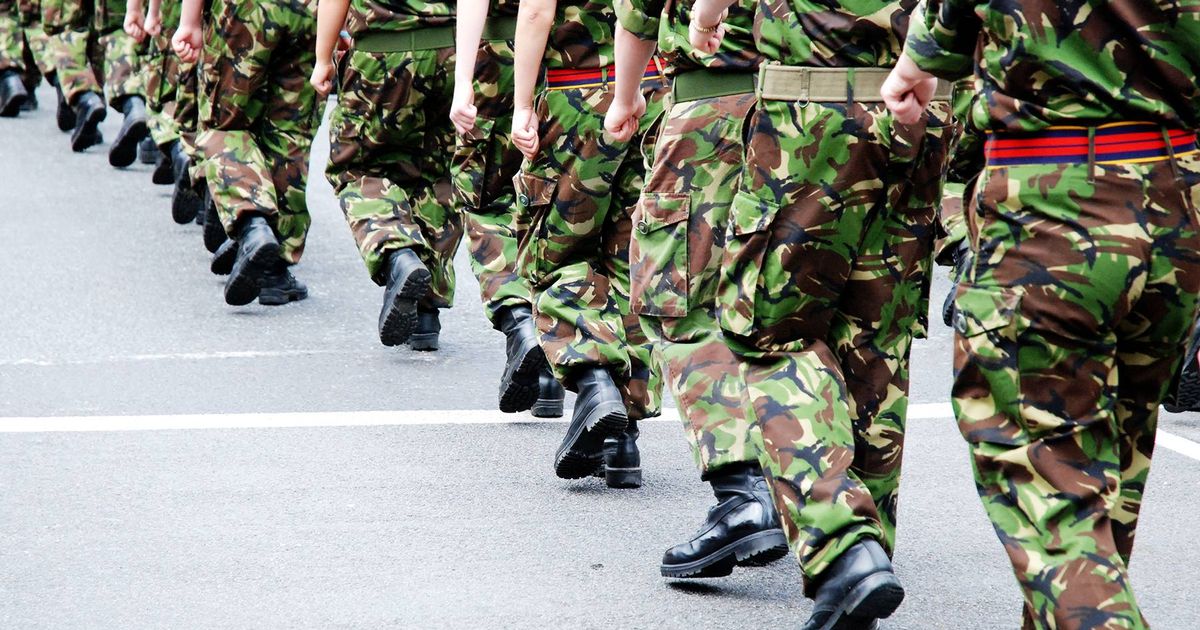
‘Conscription in UK is a very real prospect unless Starmer does this 1 thing'
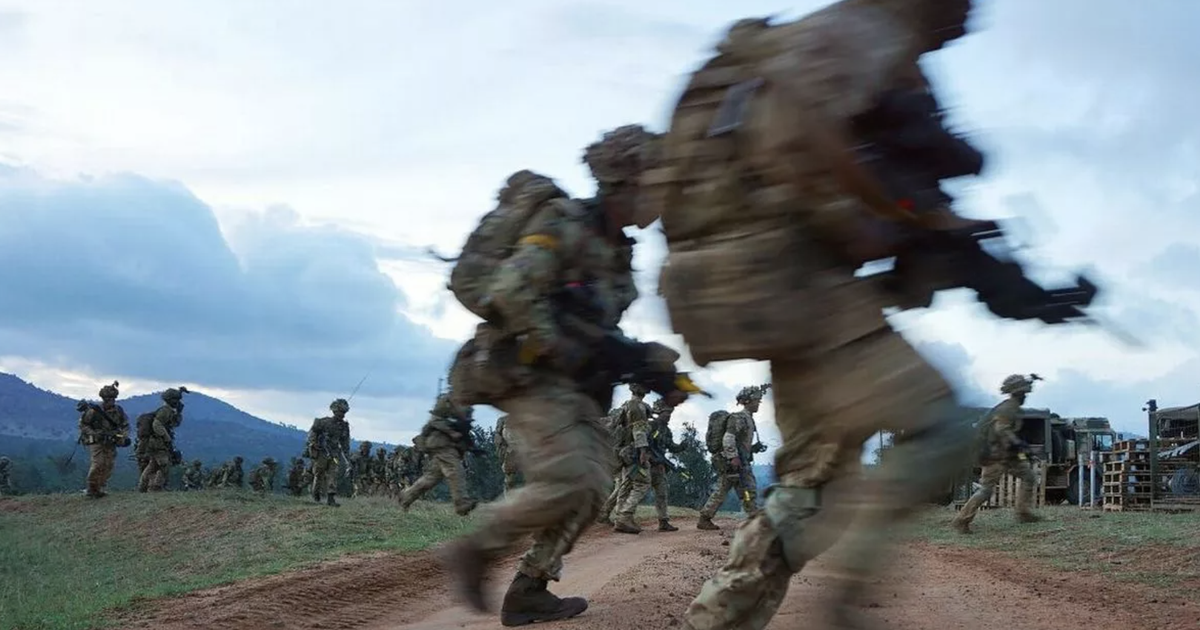
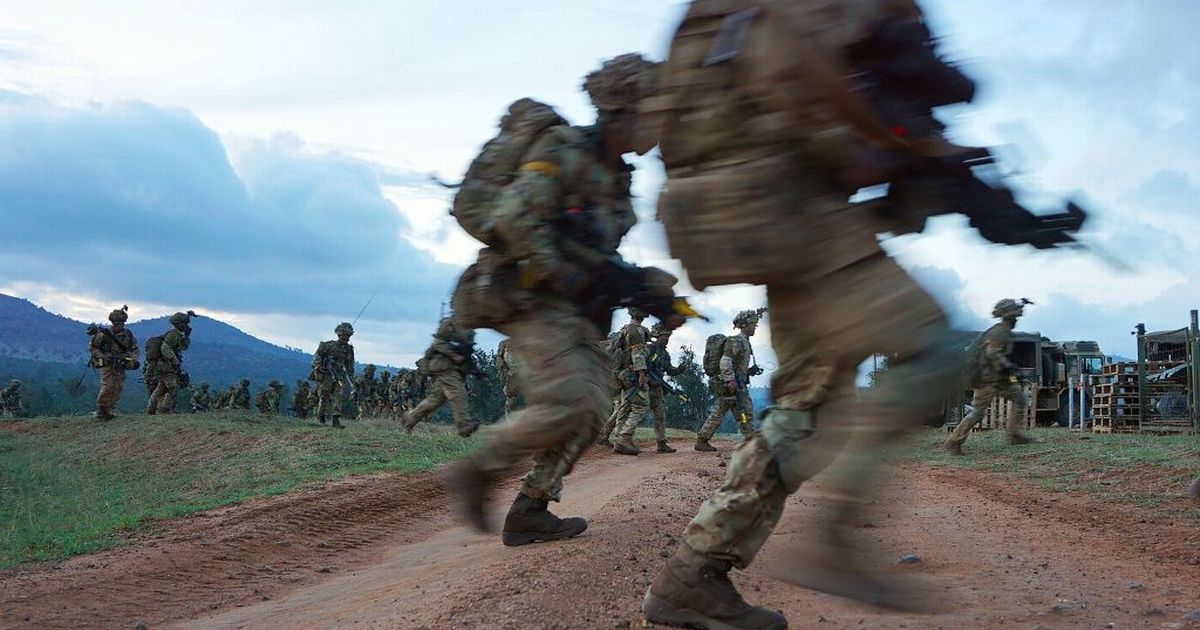
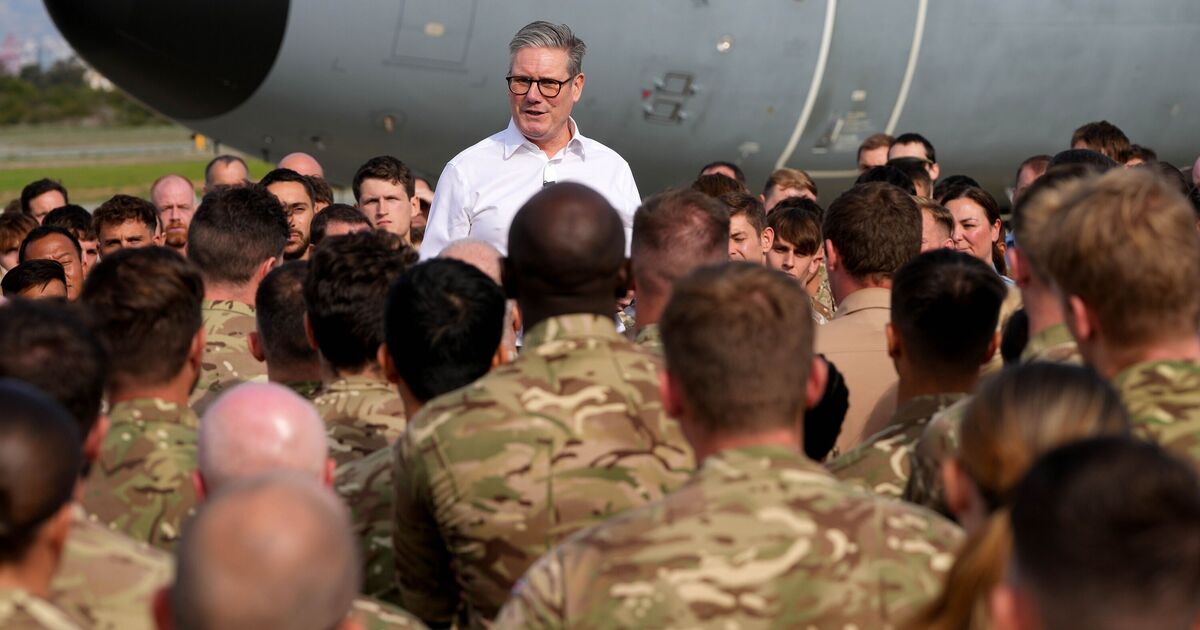
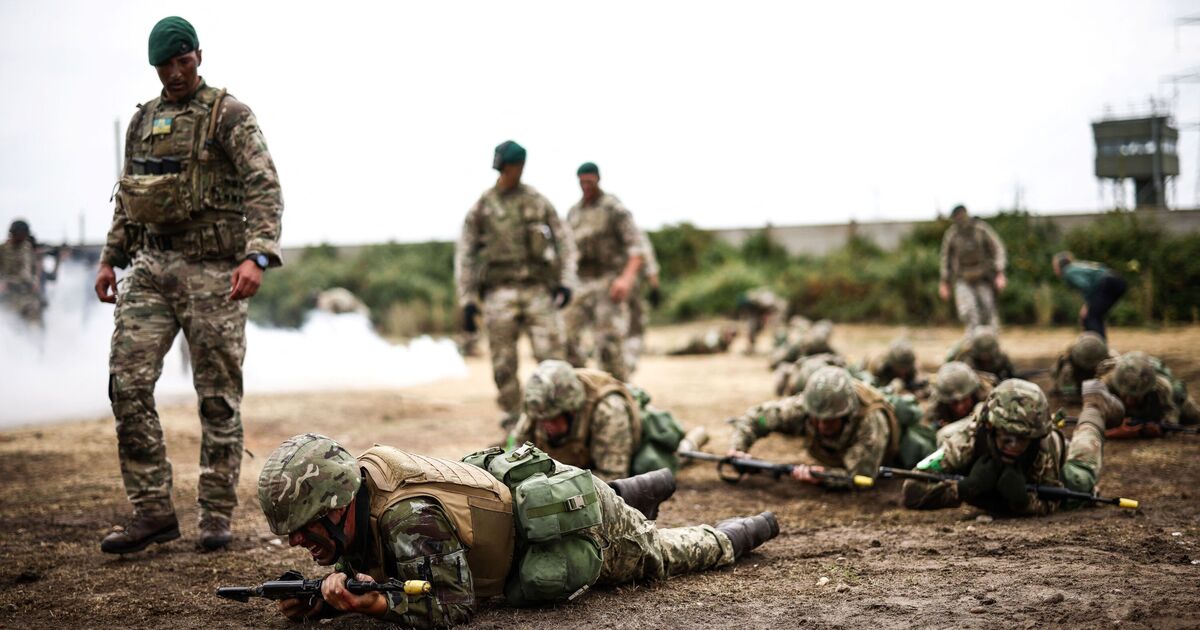
Conscription will almost certainly be needed to bolster Britain’s under-sized armed forces in the event of large-scale war, three former Army officers have suggested. The experts warn the UK lacks the troops to take on Russia and Sir Keir Starmer must focus on expanding the size of the military amid increasing tensions and concerns over US commitment to NATO.Latest figures show the UK's armed forces have roughly 141,300 full-time troops (a decrease of more than 5% since 2022), compared to an estimated 1.1 million at Vladimir Putin’s disposal. It comes as the strength of NATO has been plunged into doubt after Donald Trump repeated threats to annex Greenland, saying it is needed for national security. The comments made on Sunday have carried a new meaning following the US’ audacious attack on Venezuela and the capture of its President Nicolas Maduro.The White House has said Mr Trump and his advisers are assessing a “range of options” to acquire Greenland — a semi-autonomous territory of NATO ally Denmark — and that military action is “always an option”.European allies, including Britain, have rallied behind Denmark and Greenland as experts warn the US is undermining NATO and the credibility of its Article 5 guarantee.Danish PM Mette Frederiksen said a US attack on Greenland would spell the end of NATO, while ex-soldier Mike Martin MP said the alliance would be “dead”.The Liberal Democrat warned the “norms and rules” established after the Second World War are collapsing and the UK is underprepared, adding conscription will be necessary if conflict with Russia was to break out.He told the Express: “We're in a very dangerous situation where if you don't have military power, you don't have a voice, your interests are not protected and if you don't have military power, you can't have any values.“That's where we are, and that's what we need to do. We need to rapidly rebuild the UK's military capability.”The Defence Select Committee member added: “Obviously if we get in a shooting war with Russia, then we’re going to have conscription. There’s no doubt about that.“I don’t think that’s the right thing now. I think now it’s about rebuilding the professional forces and that looks like at a minimum, an Army of above 100,000 back where it was 10/15 years ago.”There are around 74,300 full-time soldiers in the British Army, plus 4,200 Gurkhas.Retired Lieutenant Colonel Stuart Crawford said the prospect of conscription “shouldn’t be dismissed out of hand”.“The British Army is the smallest it has been since Waterloo and if we entered a major conventional war against Russia then we don't have enough troops,” he said.He continued: “The Army traditionally likes conscripts and prefers to work on the principle that 'one volunteer is worth ten pressed men'. But numbers matter and if we can't recruit sufficient volunteers then conscription may be necessary.“How it is applied is another debate altogether, but younger single men and women would seem to be the obvious target demographic.”Ex-Conservative defence minister Tobias Ellwood, a former soldier and chair of the Defence Select Committee, added: “After what's happened so far this year, it's difficult to think what might wake us up to how dangerous our world's becoming other than a direct attack.“We are still not having a serious conversation about preparations required for a very destabilising decade. NATO could easily fracture and America pull out of the UN.“National service must now be a serious option to improve our resilience.”Several other countries have turned to military service to boost their armed forces in response to mounting tensions with Russia. Germany has launched a new scheme amid manpower shortages in the Bundeswehr, while France is bringing in voluntary national service for mainly 18- and 19-year-olds from this summer.Poland is also seeking to strengthen its forces with plans that will see all men in the country undergo military training.The UK has not had conscription since 1960 after it was introduced in 1939, shortly before the Second World War started.The only other time it was in place was between 1916 and 1920.Labour has vowed to increase spending 2.5% of national income on defence by 2027 and recently unveiled a new ‘gap year’ scheme offering under 25s the opportunity to experience life in the Armed Forces.