UK training helps Pakistani border force catch criminals and prevent human trafficking
UK development Minister visits Pakistan to re-enforce joint work on migration and sustainable growth efforts.
New projects to boost growth and support UK education sector, as trade with Pakistan passes £5 billion, with 200 British companies now operating in Pakistan.
Partnership to deliver mutual benefits for UK and Pakistan through climate development investments.
Combatting people smuggling was the focus of Development Minister Baroness Jenny Chapman’s visit to Pakistan this week.
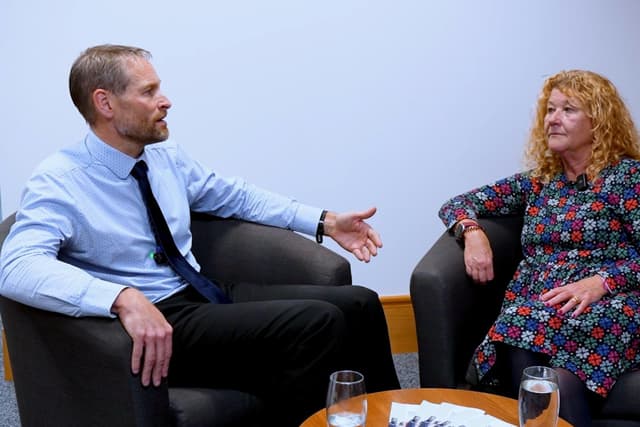
During a three-day visit to Pakistan, which included high-level meetings focused on joint security, migration, sustainable growth priorities, the Minister saw how UK training is helping immigration officials from both countries to better combat human trafficking. This training is delivered as part of a wider UK funded programme to tackle illegal migration and serious organised crime from Pakistan that has a direct impact in the UK, protecting communities and keeping our streets safe.
The project, which is being delivered by Home Office International Operations, is designed to identify safeguarding opportunities and support early intervention of criminals at Pakistan’s borders to disrupt journeys and detect abuse. By giving front line officers expertise in spotting potentially vulnerable people and illegal activity early, this enables them to protect innocent victims and apprehend those trying to escape justice by making their way to other countries, including the UK. She also heard from the enforcement officers about UK provided state of the art security scanners, helping to disrupt the movement of illegal and dangerous items across the region.
Baroness Chapman also used the visit to announce a new partnership with Pakistan that will see British expertise used to help boost development projects in Pakistan, and it comes as part of an ongoing effort by the Government to go from development donor to investor, supporting countries overseas to use their own resources to maximum effect, while boosting growth at home in the UK.
The recent devastating floods in Pakistan demonstrated the dangerous effects of climate change, destroying homes, damaging the economy and driving the displacement of communities. The UK is Pakistan’s third largest trading partner, so this has a direct effect on the British economy.
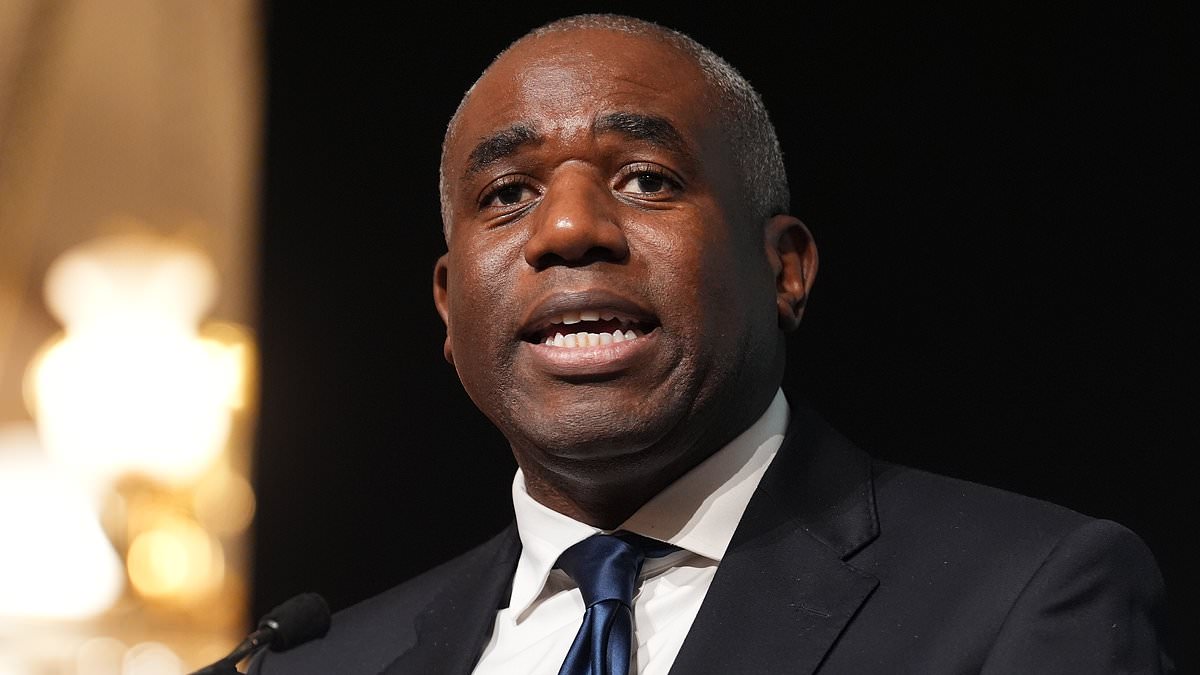
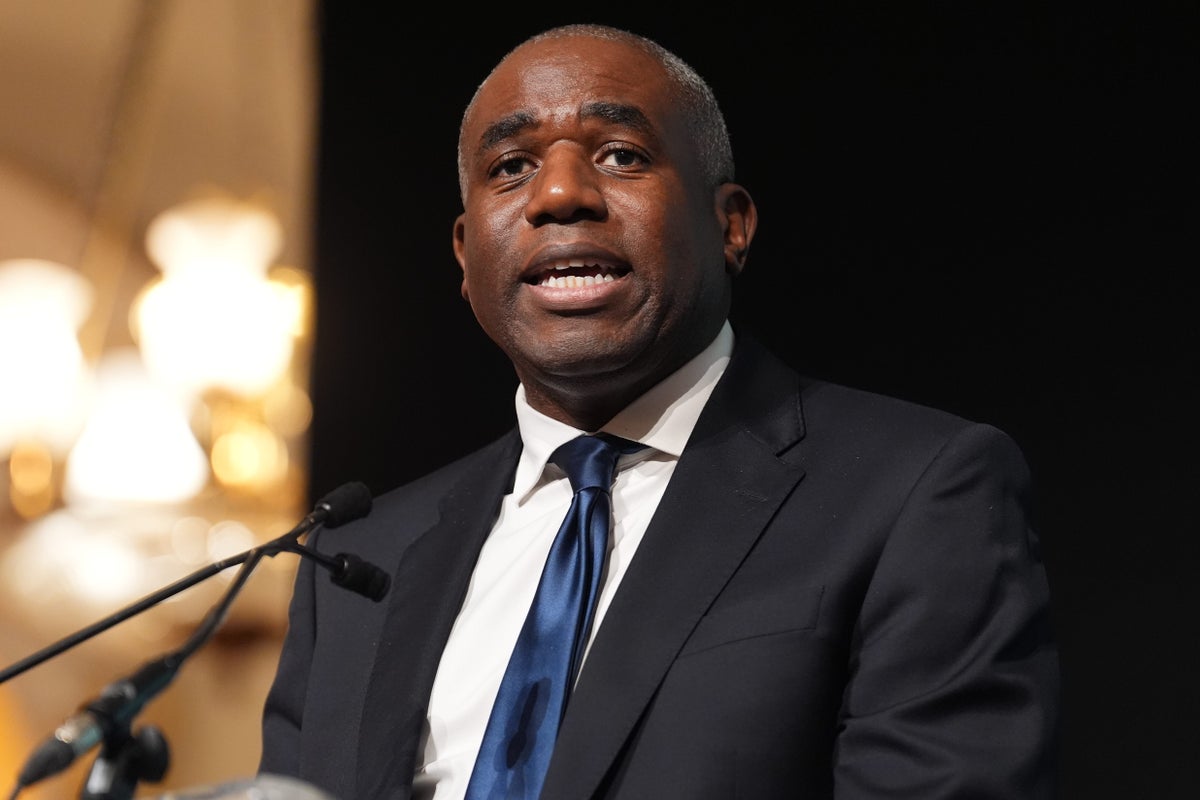
Minister for Development, Baroness Chapman, said:
The UK and Pakistan are working together to stop criminals in their tracks, ensuring they face justice for their actions, rather than making their way to our shores.
For too long exploiting borders has been used by those flouting the law to avoid prosecution. Equipped with UK training and intel sharing, Pakistani border officials can now better spot and detain people at the border, as part of a region-wide effort to crack down on human trafficking and illegal activity.
Pakistan is also a country suffering the devastating consequences of climate change, with extreme flooding putting lives at risk, stifling economic growth, and damaging key infrastructure. British expertise will help Pakistan strengthen its adaptation to climate change, its resilience to extreme weather events, and the speed of its response and recovery when crises occur.
With over 1.6 million British people of Pakistani descent, our partnership is based on a genuine mutual fondness and respect. Together we’re delivering prosperity to both our countries, strengthening ties on education and trade, while fighting the root causes of illegal migration and climate change.
The Government remains committed to utilising every tool at our disposal to meet the challenge of illegal migration as part of the Prime Minister’s Plan for Change. Discussions with Pakistan’s Prime Minister, Shehbaz Sharif, covered joint efforts in this space, as well as collaboration to boost growth and tackle climate change.
The new partnership is designed to utilise the UK’s considerable development experience to tackle the root causes of climate change, and help Pakistan invest wisely in its own climate resilience. This in turn provides the conditions needed to support trade with the UK, address the drivers of illegal migration, while supporting vulnerable communities at the forefront of the climate change threat.
During the visit, Baroness Chapman launched the next phase of an education agreement with Pakistan. The agreement is expected to deliver greater investment in the British education sector, promoting UK university courses to Pakistani students, giving them the chance to build skills at a British university, without leaving Pakistan.
Background:
The training the Minister saw forms part of the extensive capacity building work between Pakistani and UK law enforcement authorities, central to sharing experiences of detecting harm, safeguarding measures and modality of irregular migration to the UK. This includes strengthened data sharing, and targeted support to improve cooperation on cross border cases. This work will lead to a clear system for criminal background checks being established and forms part of system improvements to align border security measures which disrupt transnational crime.
Pakistan’s sex-offenders register, supported by the UK, not only improves community protection in Pakistan, but also in the UK by ensuring that these offenders are unable to travel.
Tackling illegal migration is a priority for this Government and a key part of the Prime Minister’s Plan for Change. The FCDO is using every tool at its disposal to meet this challenge in source and transit countries before the borders of Europe, to protect the vulnerable and stop criminal gangs who risk lives for their own profit. Working in partnership with countries like Pakistan is the most effective way to combat this shared challenge, and the transnational nature of the threat requires a whole of system approach to addressing these threats together.
In addition to disrupting organised immigration crime networks through the UK Government’s Global Irregular Migration Sanctions Regime, the FCDO is working with source and transit countries to deter would-be migrants from making a dangerous journey in the first place, and with the Home Office to facilitate the return of people who have no right to be here to their countries of origin, including criminals and failed asylum seekers.