China stays quiet amid new Ukraine peace talks
As European leaders work to show unity on Ukraine's long-term security during peace talks, calls have resurfaced for China to play a more constructive role in helping end the war.
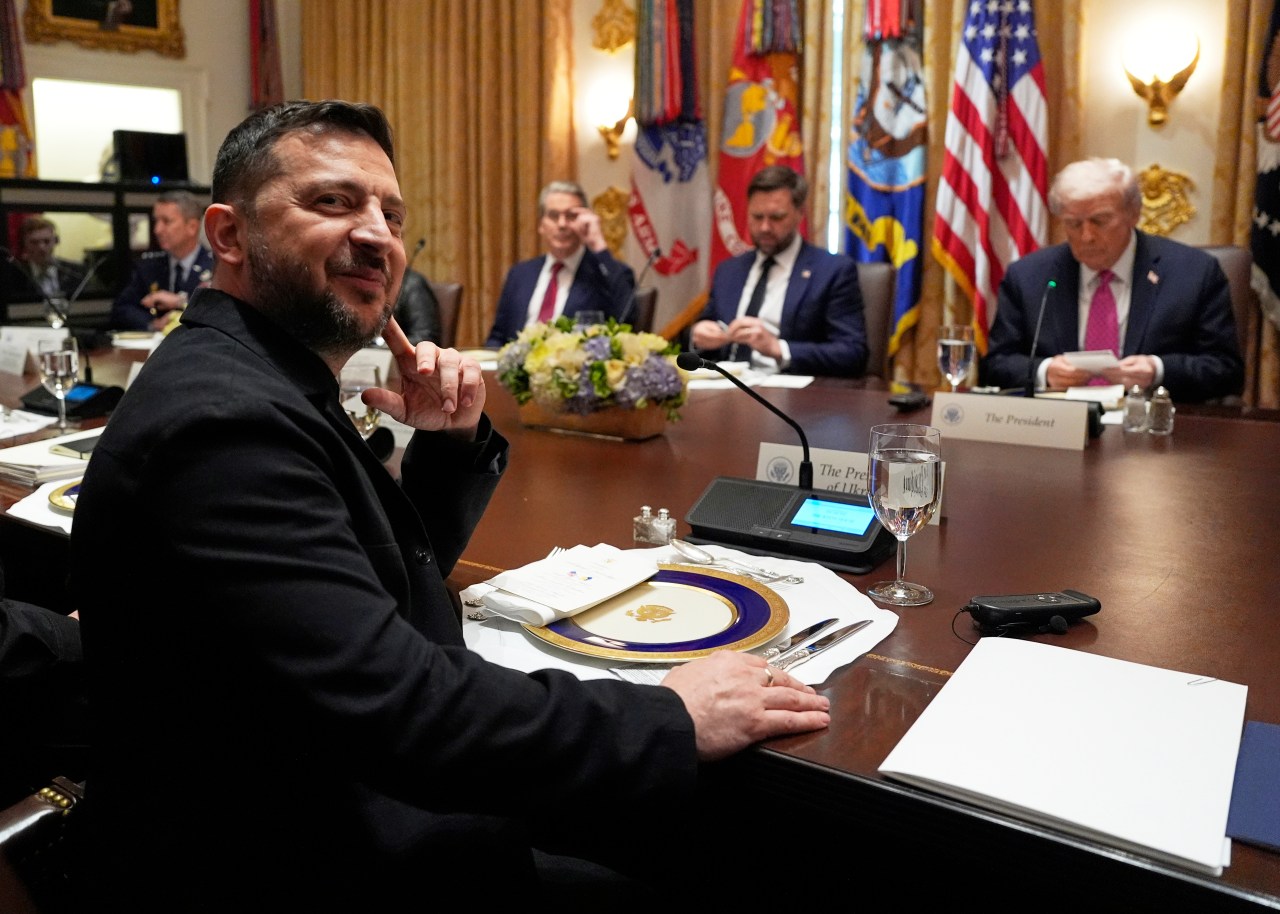
Ukrainian President Volodymyr Zelenskyy met German Chancellor Friedrich Merz and the leaders of the UK and France in London on Monday to discuss how to revise the peace proposal backed by the United States.
The proposal, first floated in November, has drawn criticism in Europe for appearing favorable to Russia, as it would require Ukraine to withdraw its forces from eastern regions that Moscow has tried to seize by force but has failed to fully occupy.
Conceding territory, the Ukrainian leader argues, would be considered a reward for the aggressor and would leave the country's long-term security vulnerable to another Russian attack.
Zelenskyy, who traveled on to Brussels to meet NATO officials, told reporters Ukraine will share a revised peace plan with the US on Tuesday.
German FM urges China to press Russia
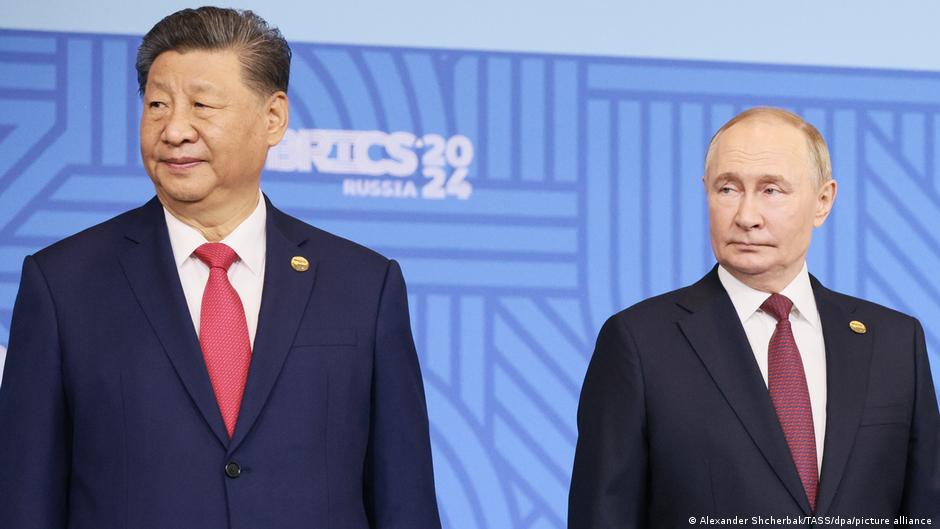
Meanwhile, German Foreign Minister Johann Wadephul is visiting China and has called for Beijing to use its influence to push Moscow to negotiate seriously over ending its invasion of Ukraine. Moscow and Beijing declared a 'no limits partnership' weeks before Russia invaded UkraineImage: Getty Images/AP Photo/dpa/picture alliance
"If there is one country in the world that has a strong influence on Russia, it is China," Wadephul said after meeting his Chinese counterpart Wang Yi in Beijing.
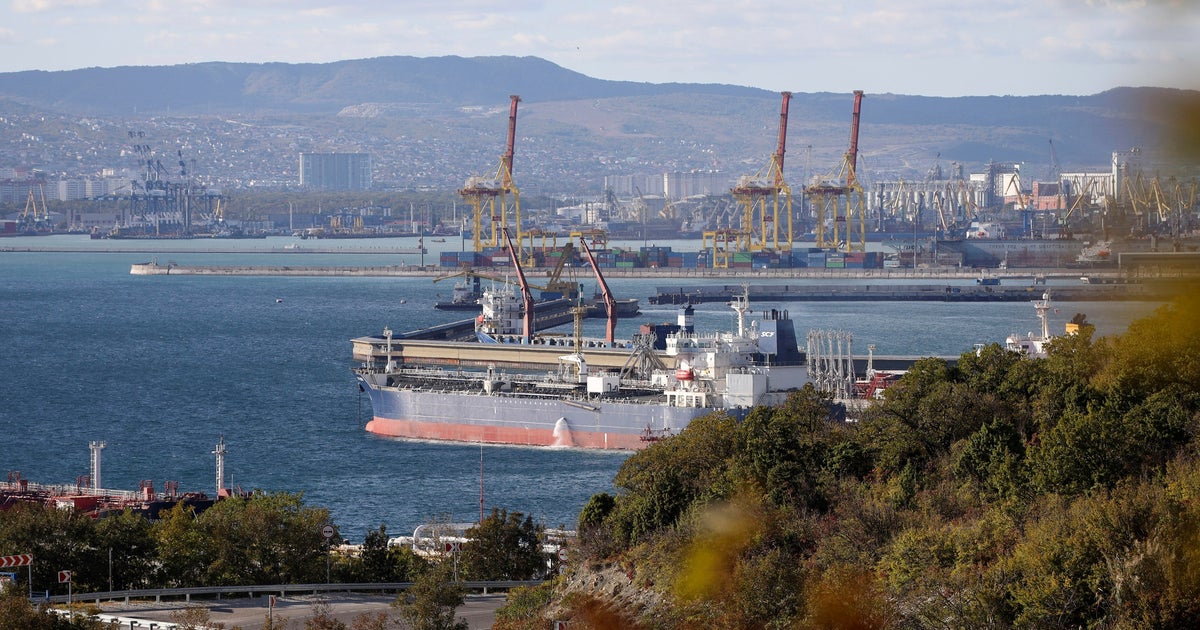
China has claimed neutrality throughout the war in Ukraine, but has faced accusations from the West of backing Russia's aggression by buying Russian oil and exporting dual-use equipment.
"That's why China is very careful not to be seen as part of the discussions," said Zsuzsa Anna Ferenczy, a visiting fellow at the Martens Centre think tank in Brussels, highlighting Beijing's consistent efforts to project a neutral image.
"This definitely is not the perception in the West. However, it might be the perception in the Global South," she added.
China may favor the US-authored peace proposal
Three days of talks in Florida between Ukrainian and American officials produced no apparent breakthrough to resolve the territory disputes in the peace plan backed by US President Donald Trump.
The plan originally contained 28 points that would force Ukraine to cede large parts of its territory to Russia, cap its military size, and prevent it from joining NATO — which Kyiv found unpalatable.
Following days of negotiations, Trump told reporters he was "a little bit disappointed" that Zelenskyy had not read the US-led peace proposal and said the Ukrainian leader "isn't ready" to sign a deal.UK,Germany back Ukraine amid tensions over US peace plan
The Kremlin did not accept the 28-point document either, but said it was willing to take it as "the basis for a final peace settlement." However Russian President Vladimir Putin cautioned against any major softening of the deal in favor of Kyiv.
Beijing, as Moscow's most important strategic partner, remains relatively quiet amid continuous global efforts to bring both sides to the negotiating table.
Last week, Chinese leader Xi Jinping told French President Emmanuel Macron, as the two met in Beijing, that China supports "all efforts aimed at reaching a fair, lasting and binding peace agreement that is acceptable to all parties."
China's plan for peace in Ukraine
In 2023, China also proposed a peace plan which reflected how the country hoped the Russian invasion of Ukraine would end, but the document was criticized for lacking specific measures and failing to condemn Moscow's aggression.
"China is interested in an end to this war, but in the kind of end that gives Russia an upper hand and satisfies Russia's end, which is to hold on to territory that it took," Ferenczy told DW.
Since such a deal would indicate that "an authoritarian regime can go against international law and get away with it," she added. "That serves China's interests."
Implictions for China, with Taiwan in mind
A peace deal requiring Ukraine to give up territory to Russia could have major implications for the global order and international security, which Beijing is closely assessing through the lens of Taiwan.
Beijing claims the self-ruled, democratic Taiwan as its own territory and has not ruled out using force to achieve "reunification."
Since Russia launched a full-scale invasion of Ukraine in 2022, both Taiwan and China have been closely monitoring how the conflict unfolds.
"The norm that we've had for the last 70 years in international relations is that no territorial changes by military force," said Raymond Kuo, a senior political scientist at RAND, a US defense think tank. China and Russia: A partnership of equals?
"The big question is that, is that norm breaking?"
Moscow has allegedly agreed to train and equip a Chinese airborne battalion to prepare for a possible invasion of Taiwan, first reported by The Kyiv Independent in September, citing an analysis of documents leaked by the hacking group Black Moon.
With Chinese military coercion intensifying in recent years, Taiwan already faces strong headwinds, with its sovereignty unrecognized by most governments due to Beijing's pressure against establishing official ties with Taipei.
"This agreement [over Ukraine] has the potential to kind of increase those headwinds," Kuo told DW.
Ferenczy, who is also an adjunct assistant professor at Taiwan's National Dong Hwa University, said Taipei has been absorbing lessons in preparedness and investing in its own defense.
"All of this is sending a signal to Beijing that the international community would be triggered in the defense of Taiwan if China were to make a move," she said.
China enhances military cooperation with Russia
Despite growing pressure from Western governments, China's cooperation with Russia has only deepened.
As Moscow faces increased isolation over its full-scale invasion of Ukraine, it has leaned on Beijing for trade, while military ties between the two countries have expanded.
China and Russia said they reached "broad consensus" on a range of issues during Chinese Foreign Minister Wang Yi's visit to Moscow earlier this month.
In May, the two countries issued a joint statement calling for enhanced military cooperation, including more joint exercises, shared technology, and coordination to counter threats and maintain global security.
"Four years into the war, we understand that China has no interest in weakening its support for Russia," Ferenczy said, emphasizing that keeping Russia close serves Beijing's strategic interests.
The main reason is that Moscow's pressure on Europe and the Western alliance "helps China because it undermines democracy and a Western-led rules-based order."
While EU member states differ in their approach to Beijing and continue to rebalance their relations with China, the bloc is expected to stand firm in helping Ukraine secure a deal that offers long-term security guarantees.
The overall consensus within the EU remains consistent: "To secure the future of Europe, we first need to secure the future of Ukraine," Ferenczy said. Russia's economy stable despite war sanctions
Edited by: Keith Walker