IRFU continue controversial property buying spree with €1 million purchase of Dublin home
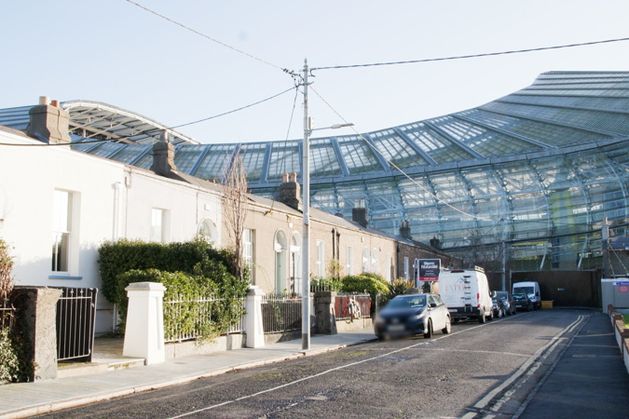
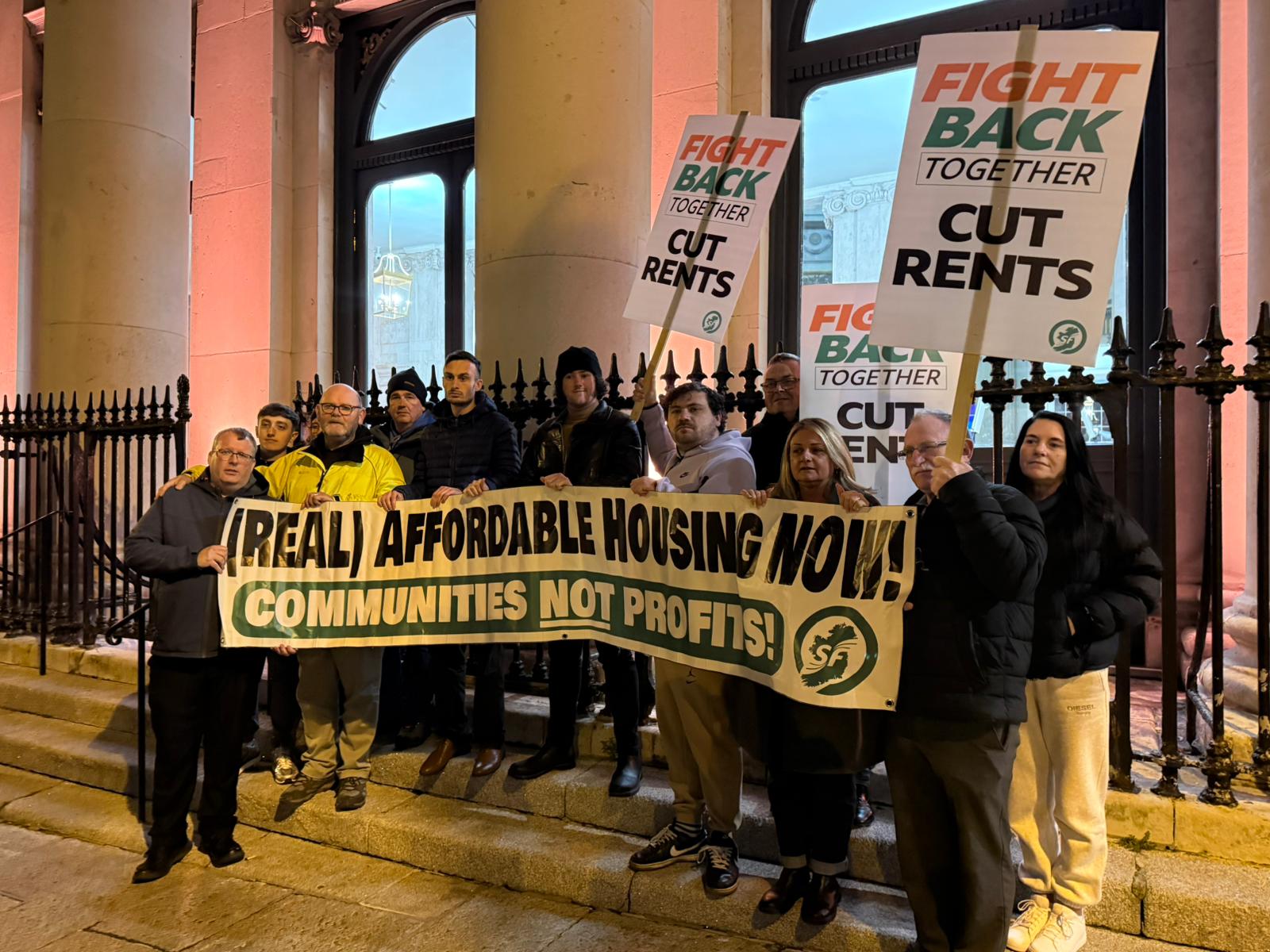
A view of an Ireland crest ahead of the game(Image: ©INPHO/Dan Sheridan)The Irish Rugby Football Union has continued its controversial property-buying spree around Dublin 4 with a €1 million purchase.According to the Irish Independent, the IRFU has forked out the seven-figure sum for a two-bedroom house on Havelock Square, which is beside the Aviva Stadium.The property went up for sale for €895,000, but the IRFU, the governing body of rugby in this country, paid extra to secure the deal.It comes after a Sunday Independent report in June found that the IRFU owned some 26 properties across Dublin, nine of which were bought in recent years at an estimated cost of over €7.5 million.The vast majority of the properties were found to be in the Dublin 4 region, close to the Aviva Stadium, with at least nine of them registered with the Residential Tenancies Board for renting.At the time, Sinn Féin senator Chris Andrews called it “scandalous” that the IRFU had become “a major landlord in the Dublin 4 area”.Andrews argued that Government funding for the rugby body is “given with the understanding that it will be used to support the development of sport at the grassroots level, as well as to enable it to succeed at the highest international stage”.“It is not done to allow rugby to satisfy its desire to be a landlord.”He added: “The IRFU should be focused on rugby, not squeezing rent out of residents.”The IRFU also recently came under fire for the ever-increasing price of its match tickets for Ireland's home internationals.For example, fans had to pay just under €160 to secure Category A tickets for Ireland's November international showdown with South Africa at the Aviva Stadium.Speaking to RTÉ Sport, IRFU chief executive Kevin Potts defended the prices, saying: “It is the commercial reality. We're trying to run a major sport here. We're trying to fund five or six professional rugby teams.“They [ticket prices] are benchmarked annually against the unions we're playing against, primarily in the Six Nations, and other major events that are happening here in Ireland. We do take them very seriously and we want to make them as affordable as we can for our fan base.“However, we have the smallest stadium in the Six Nations and we have four or five games a year in which we must generate as much money as we can, which goes back into investing in our men's and women's national teams and also into the grassroots of the game. So we must generate the income we require. It’s a balancing act.“But thank you to those fans who continuously turn up here and fill the Aviva Stadium when Ireland are playing.”Click here to sign up to our sport newsletter, bringing you the top stories and biggest headlines from Ireland and beyond