


Tooth pain can range from mild sensitivity to intense discomfort that interferes with eating, sleeping or everyday activities. When searching for an emergency dentist near me, it is important to understand that delaying attention to persistent dental pain may allow an underlying problem to become more complicated. Recognising warning signs can help you know when prompt dental care may be appropriate.
Why Should Tooth Pain Not Be Ignored?
Tooth pain is usually a sign that something has changed within or around a tooth. While occasional sensitivity may have a straightforward cause, ongoing or worsening pain deserves attention.
Common Causes of Dental Pain
Toothache can develop for several reasons, including:
- Tooth decay
- Cracked or damaged teeth
- Dental infections
- Gum problems
- A loose or damaged filling
- Injury to the mouth
- Sensitivity caused by exposed tooth surfaces
A dental examination can help identify the cause rather than simply treating the discomfort temporarily.
When Can Tooth Pain Become Urgent?
Not every toothache requires emergency treatment, but certain symptoms can indicate that you should seek prompt professional advice.
Watch for Warning Signs
Severe or rapidly increasing pain can be concerning, particularly when it affects your ability to sleep or carry out normal activities. Swelling around the face, jaw or gums may also require urgent assessment.
Other symptoms that should not be overlooked include:
- Fever alongside dental pain
- Significant swelling
- Difficulty swallowing
- Difficulty breathing
- Persistent bleeding
- A knocked-out or badly damaged tooth
If you experience difficulty breathing or swallowing with significant facial swelling, seek urgent medical attention.
What Happens If You Delay Treatment?
Putting off dental care can sometimes allow an underlying problem to progress. For example, untreated decay may become deeper, while an infection may spread into surrounding tissues.
This does not mean every episode of tooth pain will become an emergency. However, waiting for symptoms to disappear without understanding their cause can make it harder to identify and address a developing dental problem.
Pain Relief Is Not Always a Solution
Over-the-counter pain relief may temporarily reduce discomfort, but it does not necessarily address the underlying cause. Persistent symptoms should therefore be assessed by a dental professional.
What Should You Do During a Dental Emergency?
If you experience sudden or severe dental pain, contact a dental practice and explain your symptoms. Providing details about when the pain started, how severe it is and whether you have swelling can help the dental team understand the situation.
If a tooth has been knocked out, damaged or displaced, seek professional dental advice as soon as possible. Avoid attempting to force a damaged tooth back into place without appropriate guidance.
Staying Calm Can Help
Dental emergencies can feel stressful, particularly when pain develops suddenly. Try to remain calm, avoid chewing on the affected side and follow professional advice while arranging appropriate care.
Preventing Future Dental Emergencies
Regular dental check-ups and good oral hygiene can help reduce the risk of some dental problems becoming severe. Brushing twice a day with fluoride toothpaste, cleaning between your teeth and following professional dental advice can support healthier teeth and gums.
Addressing smaller concerns early may also help prevent them from becoming more disruptive later.
Ignoring persistent tooth pain does not necessarily mean a dental emergency will develop, but it can allow an underlying problem to progress without appropriate assessment. Paying attention to worsening pain, swelling, fever, injury and other warning signs can help you recognise when prompt dental care is needed. Seeking timely advice from an emergency dentist st clair can help ensure concerning symptoms are properly assessed rather than left to worsen.
FAQs
1. When should tooth pain be treated as a dental emergency?
Severe or worsening pain, significant swelling, persistent bleeding, dental injuries, or symptoms affecting swallowing or breathing may require urgent attention.
2. Can tooth pain disappear without treatment?
Some dental pain may temporarily improve, but this does not necessarily mean the underlying problem has resolved. Persistent or recurring pain should be assessed.
3. Can an untreated tooth infection become serious?
A dental infection can potentially spread into surrounding tissues if left untreated, which is why signs such as swelling, fever or increasing pain should not be ignored.
4. What should I do if I damage or knock out a tooth?
Seek dental advice promptly. Handle the tooth carefully and follow professional instructions rather than attempting treatment yourself.
5. Can regular check-ups help prevent dental emergencies?
Regular examinations can help identify developing dental problems earlier, allowing appropriate care before some issues become more serious.
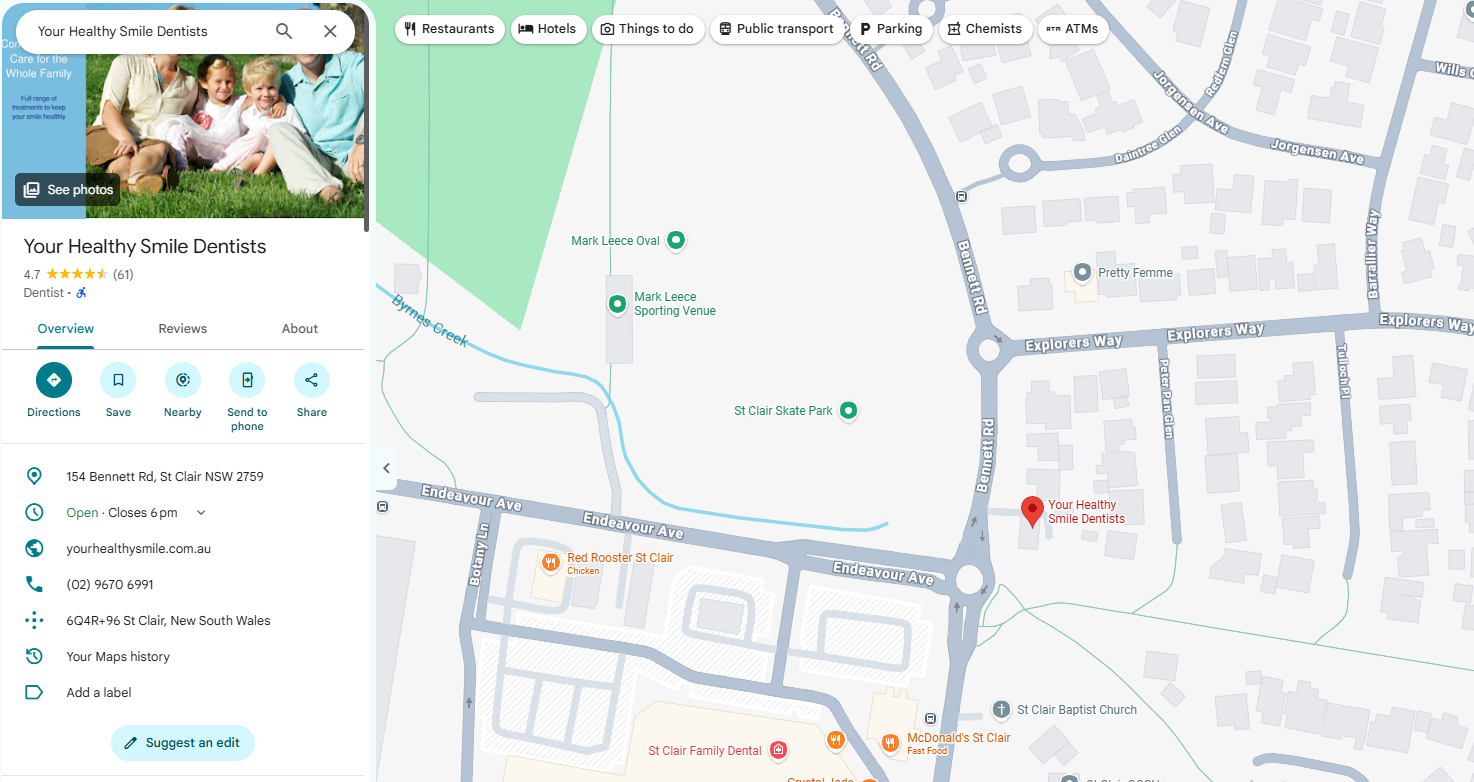
Your Healthy Smile Dentists
154 Bennett Rd,
St Clair, NSW 2759, Australia
+61296706991
Comments (0)