


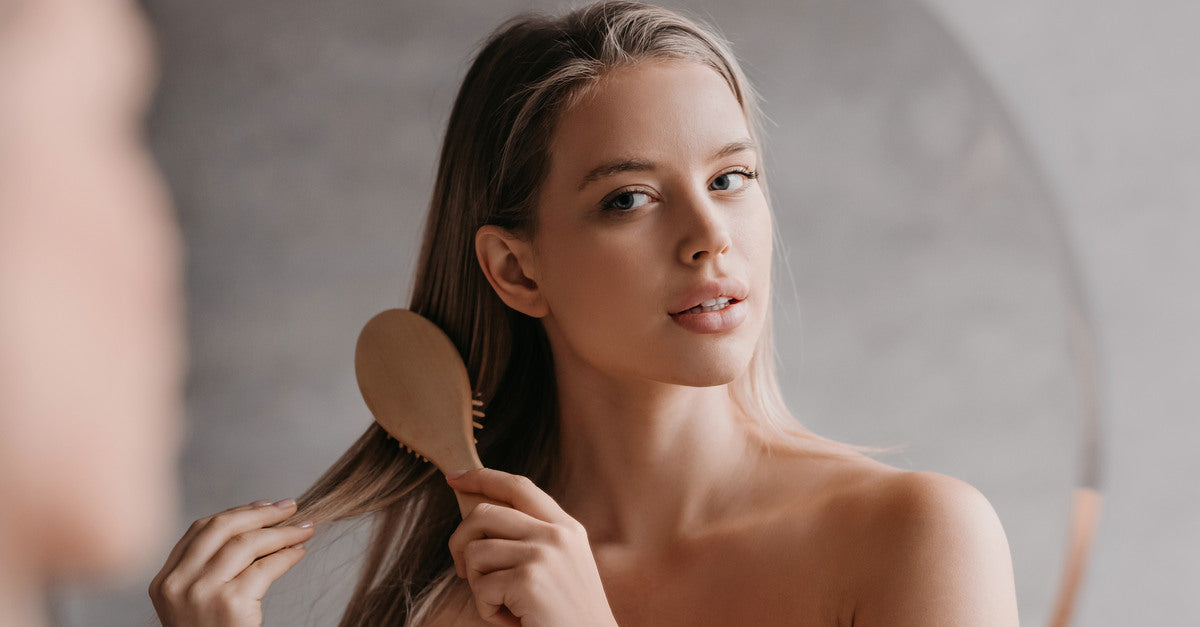
Healthy, strong hair does not happen by chance. The choices you make every day can have a significant impact on how your hair looks, feels, and grows over time. Many people turn to Healthy Hair Solutions when looking for ways to improve hair strength and support natural growth. From the foods you eat to the way you care for your scalp, small habits often create the biggest results. Understanding these daily practices can help you support stronger strands and encourage consistent growth.
Why Daily Hair Care Habits Matter
Hair growth is a continuous process influenced by genetics, nutrition, scalp health, and lifestyle choices. While some factors cannot be changed, daily habits play a major role in maintaining healthy hair.
Each strand of hair goes through growth, resting, and shedding phases. Poor habits can disrupt this natural cycle, leading to breakage, thinning, or slower growth. Consistent care helps create the ideal environment for stronger and healthier hair.
Maintain A Clean And Healthy Scalp
Your scalp serves as the foundation for hair growth. A healthy scalp allows follicles to function properly and support stronger strands.
Using Healthy Hair Solutions as part of a balanced hair care routine can help keep the scalp clean and comfortable while supporting long-term hair wellness.
Wash your hair according to your hair type and lifestyle. Excess oil, dirt, and product buildup can clog follicles and affect scalp health. At the same time, over-washing may strip away natural oils that protect the hair.
Signs Your Scalp Needs More Attention
- Excessive oiliness
- Persistent itching
- Flaking or dandruff
- Product buildup
- Redness or irritation
Addressing these concerns early can help maintain optimal conditions for healthy hair growth.
Eat Nutrient-Rich Foods Every Day
Hair follicles require nutrients to produce strong strands. A balanced diet supports the growth process from within.
Protein is especially important because hair is primarily made of keratin, a protein structure. Insufficient protein intake may contribute to weaker hair and increased shedding.
Important Nutrients For Hair Health
Protein
Protein helps build and repair hair tissue. Good sources include:
- Eggs
- Fish
- Chicken
- Greek yogurt
- Beans
- Lentils
Iron
Iron supports oxygen delivery to hair follicles. Foods rich in iron include:
- Spinach
- Lean red meat
- Pumpkin seeds
- Legumes
Biotin
Biotin plays a role in keratin production and overall hair health. Sources include:
- Eggs
- Nuts
- Seeds
- Sweet potatoes
Omega-3 Fatty Acids
Omega-3s help support scalp moisture and overall hair condition.
Sources include:
- Salmon
- Sardines
- Walnuts
- Chia seeds
Stay Hydrated Throughout The Day
Water supports many essential bodily functions, including nutrient transportation and cell health. Dehydration can affect the condition of your scalp and hair.
Although drinking water alone will not dramatically increase hair growth, proper hydration supports the environment needed for healthy hair maintenance.
Aim to drink water consistently throughout the day rather than waiting until you feel thirsty.
Protect Hair From Excessive Heat
Heat styling tools can weaken hair over time. Frequent use of blow dryers, flat irons, and curling irons may cause dryness, split ends, and breakage.
Reducing heat exposure helps preserve the strength and elasticity of your hair.
Smart Heat Styling Practices
- Use heat protectant products
- Choose lower temperature settings
- Allow hair to air dry when possible
- Limit heat styling frequency
- Avoid repeated passes over the same section
These simple adjustments can significantly reduce damage while maintaining your preferred style.
Be Gentle When Brushing And Detangling
Rough handling is a common cause of unnecessary hair breakage. Hair is especially vulnerable when wet because it stretches more easily.
Use a wide-tooth comb or a brush designed for detangling. Start from the ends and gradually work upward.
Common Detangling Mistakes
- Pulling through knots aggressively
- Brushing soaking wet hair without care
- Using damaged brushes
- Detangling too quickly
A gentle approach helps preserve strand integrity and reduce breakage.
Manage Stress Effectively
Stress can influence many aspects of health, including hair growth. High stress levels may contribute to increased shedding and disrupt the natural growth cycle.
Creating healthy stress management habits can benefit both your overall well-being and your hair.
Daily Stress-Reducing Activities
- Walking outdoors
- Meditation
- Deep breathing exercises
- Reading
- Journaling
- Regular exercise
Even a few minutes of relaxation each day can make a meaningful difference.
Prioritize Quality Sleep
Sleep is a time when the body repairs and regenerates tissues. Consistently poor sleep may affect overall health and indirectly impact hair growth.
Most adults benefit from seven to nine hours of quality sleep each night.
Ways To Improve Sleep Quality
- Maintain a consistent bedtime
- Limit screen exposure before sleep
- Keep your bedroom cool and comfortable
- Avoid excessive caffeine late in the day
Better sleep supports the body's natural repair processes, including those related to hair health.
Avoid Tight Hairstyles
Certain hairstyles place constant tension on the hair shaft and follicles. Over time, this tension can contribute to breakage and even hair loss.
Styles that commonly create excessive tension include:
- Tight ponytails
- Tight braids
- Tight buns
- Certain hair extensions
Alternating hairstyles and loosening tension can help protect your hair and scalp.
Protect Hair From Environmental Damage
Daily exposure to environmental factors can affect hair quality and strength.
Sunlight, pollution, wind, and harsh weather conditions may contribute to dryness and damage.
Simple Protection Strategies
- Wear a hat during prolonged sun exposure
- Use protective hairstyles outdoors
- Rinse hair after swimming
- Cover hair in harsh weather conditions
These habits help preserve moisture and reduce environmental stress.
Use Hair Products Wisely
Not every product works for every hair type. Choosing products that match your hair's needs can improve overall condition and manageability.
Focus on products that support moisture balance and scalp health without creating excessive buildup.
Product Selection Tips
- Read ingredient labels carefully
- Avoid unnecessary harsh chemicals
- Choose formulas suited to your hair type
- Introduce new products gradually
Consistency often produces better results than constantly switching between products.
Trim Hair Regularly
Hair trims do not directly increase growth from the scalp. However, they help remove split ends that can travel up the hair shaft and cause breakage.
Regular trims contribute to healthier-looking hair and help maintain length over time.
Most people benefit from trims every six to twelve weeks, depending on hair condition and styling habits.
Incorporate Scalp Massage Into Your Routine
Scalp massage may help improve circulation and promote relaxation. Many people find that regular scalp massages support a healthier scalp environment.
How To Perform A Simple Scalp Massage
- Use your fingertips.
- Apply gentle pressure.
- Move in small circular motions.
- Massage for five minutes daily.
- Avoid scratching with your nails.
This habit is easy to incorporate into your morning or evening routine.
Pay Attention To Hair Changes
Monitoring changes in your hair can help identify issues before they become more serious.
Watch for signs such as:
- Increased shedding
- Sudden thinning
- Persistent scalp irritation
- Unusual breakage
Seeking professional guidance when concerns arise can help address potential underlying causes early.
Create A Consistent Hair Care Routine
One of the most effective habits for maintaining healthy hair is consistency. Results rarely appear overnight, but daily care compounds over time.
A practical routine may include:
- Gentle cleansing
- Regular conditioning
- Healthy eating
- Adequate hydration
- Stress management
- Scalp care
- Heat protection
When practiced consistently, these habits help support stronger, healthier hair throughout the year.
Conclusion
Healthy hair growth is often the result of consistent daily habits rather than quick fixes. Caring for your scalp, eating nutrient-rich foods, staying hydrated, managing stress, and protecting your hair from damage all contribute to stronger and healthier strands. Small actions performed regularly can create lasting improvements in hair quality and appearance. By focusing on simple, sustainable routines and maintaining patience, you can support healthy hair growth naturally while reducing common issues such as breakage, dryness, and excessive shedding. Long-term commitment to proper hair care remains one of the most effective ways to achieve and maintain beautiful, healthy hair.
Comments (0)