


A strong building starts with the right materials. From classic brick walls to modern concrete structures, masonry materials play a major role in creating durable, attractive, and long-lasting projects. Choosing the correct options requires knowledge of strength, climate conditions, and design goals. Experienced Masonry Contractors understand how each material performs and help ensure every structure meets safety and quality expectations while delivering lasting value.
Are Commonly Used In Masonry Construction?
Masonry construction has been a trusted building method for centuries because it combines durability, visual appeal, and structural reliability. Different materials provide unique benefits, allowing contractors to select the best option based on project requirements.
The most common masonry materials include brick, natural stone, concrete blocks, and manufactured alternatives. Each material has different characteristics related to strength, maintenance, cost, and appearance. Understanding these differences helps contractors create efficient and dependable structures.
Brick: A Traditional And Reliable Masonry Material
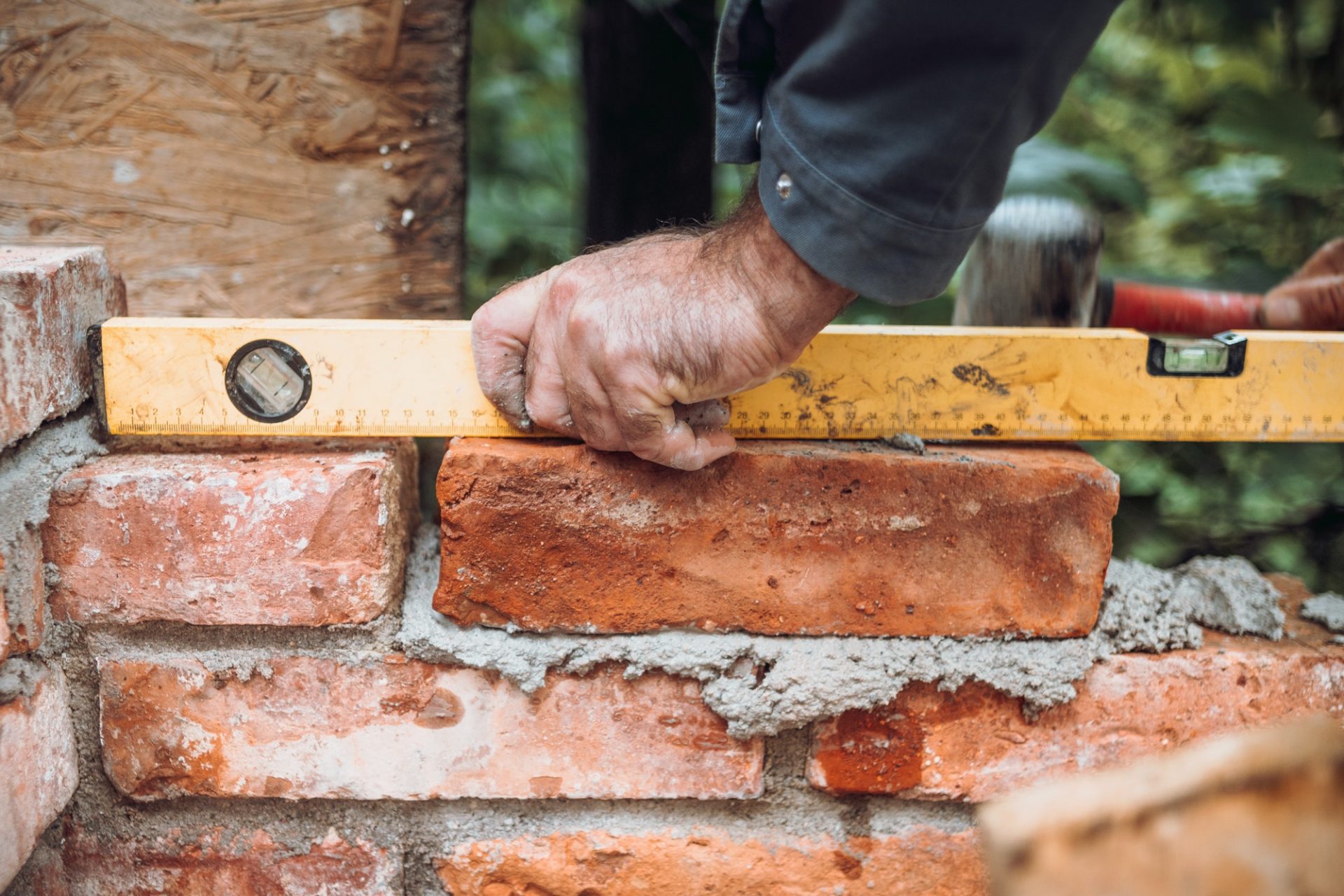
Brick remains one of the most popular choices in residential and commercial construction. Made from fired clay, bricks offer excellent durability and resistance to weather conditions. They are commonly used for exterior walls, facades, fireplaces, and decorative features.
One major advantage of brick is its ability to maintain appearance over time. Unlike some building materials that require frequent repairs or refinishing, brick typically needs minimal maintenance when installed correctly.
Bricks also provide good thermal performance. Their ability to absorb and release heat slowly can help improve indoor comfort and energy efficiency. However, contractors should consider local climate conditions because moisture exposure and freeze-thaw cycles can affect brick performance.
Natural Stone For Strength And Visual Appeal
Natural stone is another highly valued material in masonry projects. Materials such as granite, limestone, sandstone, and marble provide a unique appearance that adds character to buildings and landscapes.
Stone is known for its exceptional strength and long lifespan. Many historic structures built with natural stone remain standing after hundreds of years, demonstrating the material’s durability.
Common uses of natural stone include:
- Exterior building walls
- Retaining walls
- Walkways and patios
- Fireplaces
- Decorative architectural elements
Although stone offers many benefits, it can require skilled installation because each piece may have different shapes, textures, and weight. Proper planning helps ensure structural stability and a clean finished appearance.
Concrete Blocks For Modern Construction Needs
Concrete masonry units, commonly called concrete blocks, are widely used in commercial and residential construction. They are created from cement, aggregates, and water, making them strong and cost-effective.
Concrete blocks are especially useful for projects that require structural support. They are frequently used for foundations, basement walls, retaining structures, and large commercial buildings.
Some benefits of concrete blocks include:
- High load-bearing capacity
- Fire resistance
- Cost efficiency
- Fast installation
- Design flexibility
Additionally, concrete blocks can be reinforced with steel and filled with concrete to increase strength. This makes them suitable for projects where safety and structural performance are top priorities.
Concrete Bricks For Versatile Applications
Concrete bricks provide an alternative to traditional clay bricks. They are made by combining cement, sand, and other materials, creating a strong and uniform product.
These bricks are available in various sizes, colors, and finishes, giving contractors more design options. They are often selected for decorative walls, landscaping features, and exterior construction projects.
Because concrete bricks are manufactured with consistent dimensions, they can simplify installation and improve project efficiency. However, proper sealing and moisture protection may be necessary depending on the application.
Manufactured Stone For Affordable Design Options
Manufactured stone has become increasingly popular because it offers the appearance of natural stone at a lower cost. It is created from lightweight concrete mixtures designed to replicate the look of real stone.
This material provides flexibility for builders who want attractive designs without the higher expense associated with natural stone. It is commonly used for:
- Home exteriors
- Accent walls
- Outdoor kitchens
- Fireplace surrounds
- Landscape features
Manufactured stone is lighter than many natural options, which can make installation easier. However, proper installation techniques are essential to prevent water damage and ensure long-term performance.
Factors To Consider When Selecting Masonry Materials
Choosing the right material involves more than appearance. Contractors must evaluate several factors before beginning a project.
Project Purpose And Structural Requirements
The intended use of the structure should guide material selection. A decorative garden wall may require different materials compared to a load-bearing commercial building.
For example, concrete blocks may be better suited for structural applications, while brick or stone may be preferred for exterior finishes. Matching the material with the project purpose helps improve safety and performance.
Local Weather Conditions
Climate plays an important role in masonry durability. Areas with heavy rainfall, extreme temperatures, or frequent freezing conditions require materials that can withstand environmental stress.
Contractors should consider:
- Moisture resistance
- Temperature changes
- Wind exposure
- Freeze-thaw cycles
Selecting materials that perform well in local conditions reduces future maintenance problems.
Maintenance Expectations
Different masonry materials require different levels of care. While many options are durable, regular inspections and occasional repairs can extend their lifespan.
For example, mortar joints may need maintenance over time, especially in older masonry structures. Addressing small issues early prevents larger and more expensive repairs.
Budget And Project Timeline
Cost is another important consideration. While premium materials may provide greater visual appeal, they may also increase installation expenses.
Contractors should balance quality, appearance, and budget when recommending materials. A well-planned approach ensures clients receive a structure that meets both financial and performance goals.
How Proper Material Selection Improves Masonry Projects
The success of any masonry project depends heavily on selecting suitable materials and applying correct installation methods. Even high-quality materials can fail if they are not properly installed or matched to the environment.
Professional planning helps prevent common issues such as cracking, moisture problems, and structural weakness. Contractors who understand material properties can create stronger buildings while improving efficiency and reducing long-term costs.
In addition, thoughtful material choices improve the appearance of finished projects. Whether designing a modern commercial property or restoring a historic structure, the right masonry materials contribute to both function and style.
Practical Tips For Contractors Working With Masonry Materials
Contractors can improve project outcomes by following a few important practices:
- Evaluate site conditions before choosing materials.
- Purchase materials from reliable suppliers.
- Check material quality before installation.
- Use proper mortar mixes for each application.
- Follow recommended installation guidelines.
- Schedule regular inspections after project completion.
These steps help maintain structural integrity and ensure that masonry work delivers lasting results.
Conclusion
Masonry construction depends on selecting materials that provide strength, durability, and visual appeal. Brick, natural stone, concrete blocks, concrete bricks, and manufactured stone each offer unique advantages for different building needs. By understanding material properties and considering factors such as climate, budget, and project requirements, contractors can create reliable structures that stand the test of time. Choosing the right materials and applying proper installation methods ensures every masonry project achieves long-term performance, safety, and customer satisfaction.
Comments (0)