


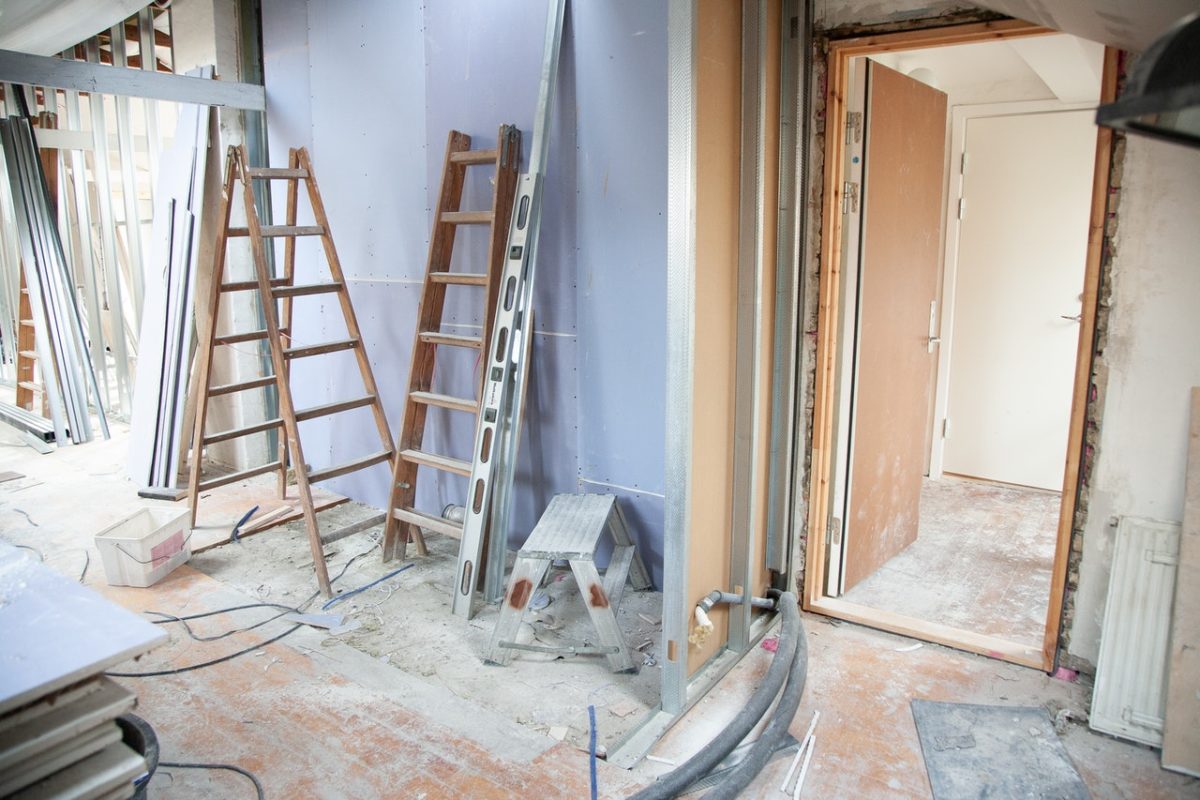
A home remodeling project can improve comfort, increase property value, and create a space that better fits your lifestyle. However, many homeowners underestimate the costs involved and face financial stress during construction. Setting a realistic budget is one of the most important steps before any work begins. Whether you plan a kitchen upgrade, bathroom renovation, or full-house makeover, working with a Luxury home remodeling company can help you understand expenses and avoid costly mistakes. A clear financial plan helps keep your project on track from start to finish.
Why Budgeting Matters Before Remodeling
Creating a budget before beginning any renovation gives you a realistic view of what you can afford. It also helps you prioritize upgrades and avoid unnecessary spending.
Many remodeling projects experience delays or changes because homeowners start without a detailed financial plan. Knowing your limits early allows you to make informed decisions about materials, labor, and design features. A well-structured budget also helps contractors provide more accurate estimates and timelines.
Understanding the Main Remodeling Cost Categories
Several factors contribute to the total cost of a remodeling project. Understanding these categories helps you estimate expenses more accurately.
Labor Costs
Labor often represents one of the largest portions of a remodeling budget. Skilled professionals such as electricians, plumbers, carpenters, painters, and installers charge based on experience, project complexity, and location.
Labor costs may increase if structural modifications, custom installations, or specialized craftsmanship are required. Obtaining detailed estimates from contractors helps prevent surprises later.
Materials and Finishes
The materials you choose significantly affect the final project cost. Flooring, cabinetry, countertops, fixtures, paint, and appliances all vary in price.
Premium materials often offer greater durability and visual appeal, but they also increase expenses. Balancing quality with affordability can help maximize your investment while staying within budget.
Permits and Inspections
Many remodeling projects require permits from local authorities. Permit costs vary depending on the scope of work and your location.
Electrical upgrades, plumbing changes, structural modifications, and room additions often require inspections to ensure compliance with building codes. Including permit expenses in your budget prevents unexpected financial strain.
Design and Planning Fees
Professional designers and architects can help create efficient layouts and attractive spaces. Their expertise often improves project outcomes and reduces costly mistakes.
Design fees may include consultations, drawings, material selection assistance, and project planning. Although these services add to upfront costs, they can provide long-term value.
Average Costs for Common Remodeling Projects
The type of renovation you choose has a major impact on your budget. Understanding average project costs can help establish realistic expectations.
Kitchen Remodeling
Kitchen renovations often rank among the most expensive remodeling projects because they involve multiple trades and materials.
A moderate kitchen remodel may include:
- New cabinets
- Countertops
- Flooring
- Appliances
- Lighting upgrades
- Fresh paint
More extensive renovations involving layout changes, custom cabinetry, and luxury finishes can significantly increase costs.
Bathroom Remodeling
Bathroom remodeling costs vary depending on size and design complexity. Simple updates such as replacing fixtures and repainting walls cost less than complete renovations.
Projects involving new plumbing, tile work, custom showers, and luxury features typically require a larger budget.
Basement Finishing
An unfinished basement offers valuable opportunities for additional living space. Costs depend on insulation, flooring, lighting, plumbing, and room configuration.
Finished basements can become entertainment areas, guest suites, home offices, or fitness rooms, making them a worthwhile investment.
Whole-Home Renovations
Comprehensive home renovations involve multiple rooms and systems. These projects often include electrical upgrades, plumbing improvements, flooring replacement, and interior redesign.
Whole-home renovations require careful planning because costs can increase quickly when multiple areas are remodeled simultaneously.
Factors That Influence Remodeling Costs
No two remodeling projects are identical. Several variables determine the final investment required.
Home Size
Larger homes generally require more materials and labor. Additional square footage increases flooring, painting, electrical, and construction costs.
Even simple renovations become more expensive when they cover larger areas.
Project Complexity
Complex projects often involve structural modifications, custom work, or specialized installations.
Removing walls, relocating plumbing, or redesigning layouts typically increases labor requirements and project timelines. Greater complexity usually leads to higher overall costs.
Geographic Location
Construction costs vary significantly across the United States. Labor rates, permit fees, material availability, and local regulations influence pricing.
Urban areas often experience higher remodeling costs compared to smaller communities due to increased demand and operating expenses.
Material Selection
Material choices directly impact project budgets. Standard materials provide affordability, while premium finishes increase costs.
Examples include:
- Laminate versus hardwood flooring
- Stock cabinets versus custom cabinetry
- Quartz versus natural stone countertops
- Standard fixtures versus designer brands
Choosing materials carefully helps balance appearance, performance, and affordability.
How Much Should You Set Aside for Unexpected Costs?
Unexpected issues are common during remodeling projects. Hidden problems often appear after demolition begins.
Examples include:
- Water damage
- Mold growth
- Electrical code violations
- Plumbing leaks
- Structural concerns
Many professionals recommend reserving 10% to 20% of your total budget as a contingency fund. This financial cushion helps cover unforeseen expenses without disrupting the project.
Creating a Realistic Remodeling Budget
A successful renovation starts with detailed planning. Building a realistic budget involves more than estimating construction costs.
Define Your Goals
Identify exactly what you want to achieve before contacting contractors.
Clear goals help determine priorities and eliminate unnecessary spending. Distinguishing between essential upgrades and optional features can make budgeting easier.
Research Local Costs
Gather information about remodeling prices in your area. Online resources, contractor consultations, and local market reports provide useful insights.
Comparing multiple estimates helps establish realistic expectations and prevents overpaying.
Prioritize Important Upgrades
Not every desired feature needs to be completed immediately. Focus first on improvements that provide the greatest value.
Projects involving safety, functionality, and energy efficiency often deserve higher priority than purely cosmetic updates.
Track Every Expense
Maintaining a detailed budget spreadsheet helps monitor spending throughout the project.
Track costs related to:
- Labor
- Materials
- Permits
- Design services
- Temporary housing if needed
- Contingency expenses
Regular monitoring reduces the risk of exceeding your financial limits.
Financing Options for Home Remodeling
Many homeowners use financing to support renovation projects. Understanding available options can help you choose the best solution.
Home Equity Loans
Home equity loans allow homeowners to borrow against the value of their property.
These loans often offer competitive interest rates and predictable monthly payments, making them a popular choice for major renovations.
Home Equity Lines of Credit
A home equity line of credit provides flexible access to funds as needed.
This option works well for projects completed in phases because homeowners only borrow what they use.
Personal Loans
Personal loans provide another financing alternative. Approval often depends on credit history and income rather than home equity.
They may be suitable for smaller remodeling projects with shorter repayment periods.
Savings and Cash Reserves
Using personal savings eliminates interest costs and loan obligations.
Many homeowners prefer combining savings with financing to maintain financial flexibility while completing renovations.
Ways to Reduce Remodeling Expenses
Saving money does not always mean sacrificing quality. Several strategies can help reduce costs while achieving excellent results.
Keep Existing Layouts
Moving plumbing, electrical systems, and walls often increases expenses dramatically.
Maintaining existing layouts whenever possible can reduce labor costs and simplify construction.
Choose Mid-Range Materials
Mid-range materials frequently offer excellent durability and appearance at a lower price point than luxury products.
Careful material selection helps stretch your budget without compromising overall quality.
Complete Projects in Phases
Large renovations can be divided into smaller stages over time.
This approach spreads expenses across multiple months or years, making projects more manageable financially.
Obtain Multiple Estimates
Comparing bids from several contractors helps identify competitive pricing and realistic project costs.
Evaluating experience, reputation, and project scope ensures you select the best overall value rather than simply the lowest price.
Common Budgeting Mistakes to Avoid
Many homeowners encounter financial challenges because of avoidable mistakes.
Underestimating Costs
Relying on rough estimates often leads to budget overruns. Thorough research and professional consultations provide more accurate financial planning.
Ignoring Contingency Funds
Unexpected issues occur in many renovation projects. Failing to reserve emergency funds can create significant financial stress.
Prioritizing Price Over Quality
Selecting the cheapest materials or contractors may lead to repairs, replacements, or dissatisfaction later.
Balancing affordability with quality helps protect your investment.
Making Frequent Changes
Design modifications during construction often increase labor and material costs.
Finalizing plans before work begins helps control spending and maintain project schedules.
How Professional Planning Improves Budget Accuracy
Professional planning plays a major role in keeping remodeling projects within budget.
Experienced contractors evaluate site conditions, identify potential challenges, and provide realistic estimates. They also coordinate scheduling, material procurement, and project management.
Accurate planning reduces delays, minimizes waste, and improves overall cost control. Homeowners benefit from better financial predictability and fewer unexpected surprises throughout the renovation process.
Conclusion
Budgeting for a home remodeling project requires careful planning, realistic expectations, and a clear understanding of potential costs. Labor, materials, permits, design services, and unexpected repairs all contribute to the final investment. Setting priorities, researching local pricing, and maintaining a contingency fund can help prevent financial stress during construction. A thoughtful budget allows homeowners to make confident decisions and achieve their renovation goals without overspending. By planning ahead and monitoring expenses closely, you can create a beautiful, functional home while protecting your long-term financial well-being.
Comments (0)