


Modern vehicles rely on advanced safety technologies to help drivers avoid accidents and stay aware of their surroundings. These systems use cameras, sensors, and radar units that must operate with precision to deliver reliable performance. A small shift in sensor alignment can affect accuracy and reduce effectiveness. That is why Blind spot calibration plays a critical role in maintaining the proper function of vehicle safety systems and ensuring dependable driver assistance on the road.
Understanding Spot Calibration
Spot calibration is the process of adjusting and verifying sensors that support vehicle safety features. These sensors are often mounted in areas such as side mirrors, bumpers, or body panels. Their purpose is to monitor surrounding traffic and provide alerts when vehicles enter hard-to-see areas.
Accurate calibration ensures that sensors collect and interpret data correctly. Even minor misalignment can cause delayed warnings, false alerts, or missed detections. Proper adjustment helps maintain the intended performance of safety technologies.
Why Modern Vehicles Depend On Sensor Accuracy
Advanced driver assistance systems rely on constant communication between cameras, radar units, and electronic control modules. These components work together to create a detailed picture of the vehicle's environment.
Reliable data is essential because the system makes decisions based on what sensors detect. A sensor that is even slightly out of position can affect measurements and reduce overall safety performance. Maintaining accuracy helps drivers receive dependable warnings when they need them most.
How Spot Calibration Works
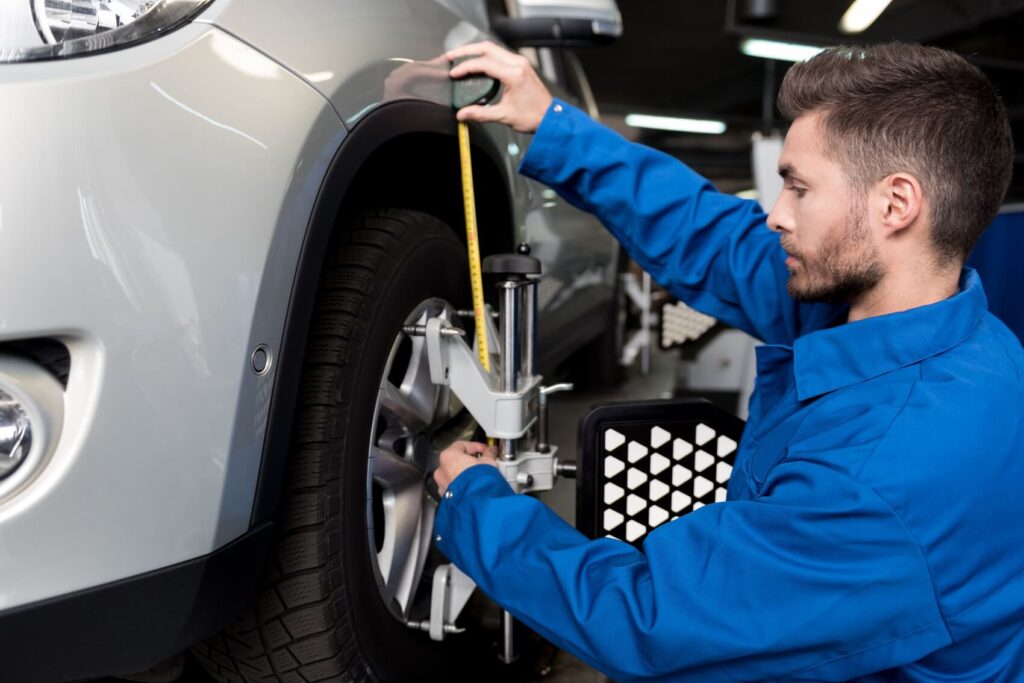
The calibration process follows manufacturer specifications to ensure sensor alignment meets precise standards. Technicians use specialized tools and equipment to measure sensor positioning and verify functionality.
Calibration may involve software adjustments, target boards, laser measuring tools, or diagnostic systems. Once the process is complete, technicians test the system to confirm accurate operation. This approach helps ensure that safety features respond correctly in real driving situations.
Initial Vehicle Inspection
Technicians begin by inspecting the vehicle for any damage or repairs that may affect sensor positioning. They also check suspension height, tire pressure, and wheel alignment because these factors can influence calibration accuracy.
A thorough inspection helps identify conditions that could interfere with proper sensor performance. Addressing these issues before calibration improves the quality of the results.
Equipment Setup And Measurements
Specialized calibration equipment is positioned according to manufacturer guidelines. Precise measurements ensure targets are placed at the correct distance and angle from the vehicle.
Attention to detail is critical during this stage. Small measurement errors can affect sensor readings and reduce system reliability.
Verification And Testing
After adjustments are completed, technicians verify sensor communication and perform system tests. Diagnostic scans help confirm that no faults remain within the safety system.
Road testing may also be performed when recommended by the manufacturer. This final step ensures that the system functions correctly under actual driving conditions.
Situations That Require Calibration
Many vehicle owners are unaware that certain repairs can affect sensor alignment. Calibration is often necessary whenever components connected to safety systems are repaired or replaced.
Common situations include:
- Collision repairs involving bumpers or side panels
- Side mirror replacement
- Radar sensor replacement
- Suspension repairs
- Wheel alignment services
- Windshield replacement on vehicles with integrated sensors
- Structural body repairs
Ignoring calibration after these services can lead to inaccurate system performance and reduced safety effectiveness.
The Relationship Between Calibration And Driver Safety
Safety technologies are designed to assist drivers by providing additional awareness. Their effectiveness depends on accurate sensor data. Properly calibrated systems help detect nearby vehicles, monitor traffic conditions, and deliver timely warnings.
Drivers benefit from increased confidence because the system performs as intended. Meanwhile, inaccurate sensors can create confusion by generating unnecessary alerts or failing to identify potential hazards. Calibration helps reduce these risks and supports safer driving experiences.
Common Signs That Calibration May Be Needed
Certain warning signs can indicate that calibration should be performed. Recognizing these symptoms early can prevent larger issues and improve vehicle safety.
Drivers may notice warning lights on the dashboard, inconsistent alerts, or unusual system behavior. Some vehicles may temporarily disable safety features when sensor problems are detected.
Additional signs include delayed notifications, repeated false warnings, or safety systems that seem less responsive than usual. Professional inspection can determine whether calibration is necessary.
Benefits Of Professional Spot Calibration
Professional calibration provides advantages that go beyond simply clearing warning lights. Certified technicians have access to manufacturer procedures and specialized tools that help achieve accurate results.
Professional service helps ensure:
- Precise sensor alignment
- Compliance with manufacturer standards
- Reliable safety system performance
- Accurate diagnostic verification
- Reduced risk of sensor-related errors
Choosing qualified technicians helps protect both vehicle functionality and driver safety.
Challenges Associated With Sensor Calibration
Vehicle technology continues to evolve, making calibration more complex than ever before. Modern systems often integrate multiple sensors that communicate with each other simultaneously.
Environmental conditions can also affect calibration procedures. Lighting, floor levelness, workspace dimensions, and equipment placement all influence accuracy. Technicians must carefully control these variables to achieve dependable results.
As vehicle technology advances, ongoing training and updated equipment become increasingly important for maintaining calibration quality.
The Impact Of Incorrect Calibration
Incorrect calibration can affect the performance of several safety systems. Sensors may misjudge distances, fail to detect nearby vehicles, or generate warnings at inappropriate times.
These issues can reduce driver trust in safety technologies. More importantly, inaccurate readings may limit the effectiveness of systems designed to help prevent collisions. Proper calibration minimizes these risks and supports consistent system performance.
Best Practices For Maintaining Calibration Accuracy
Vehicle owners can take several steps to help maintain sensor performance over time. Regular inspections and prompt attention to repairs play an important role in preserving accuracy.
Follow Manufacturer Recommendations
Manufacturers provide specific service guidelines for calibration procedures. Following these recommendations helps ensure that safety systems remain within required performance standards.
Scheduled inspections can identify developing issues before they affect sensor operation. Consistent maintenance contributes to long-term reliability.
Address Collision Damage Quickly
Even minor impacts can alter sensor positioning. Prompt repairs help prevent calibration-related problems from becoming more severe.
Drivers should request a calibration assessment whenever repairs involve areas containing sensors or radar components. This extra step helps verify that safety systems remain fully functional.
Work With Qualified Professionals
Experienced technicians understand the complexity of modern vehicle technology. Their training and equipment allow them to perform precise adjustments that meet manufacturer specifications.
Selecting a reputable service provider improves the likelihood of accurate results and dependable system performance.
Future Trends In Vehicle Calibration
The automotive industry continues to introduce more advanced driver assistance technologies. As sensor networks become increasingly sophisticated, calibration procedures will likely become more detailed and specialized.
Future vehicles may incorporate additional radar units, cameras, lidar systems, and artificial intelligence technologies. These innovations will increase the importance of accurate calibration and ongoing maintenance.
Automated calibration tools and enhanced diagnostic software may improve efficiency while maintaining strict accuracy requirements. Nevertheless, skilled technicians will continue to play an essential role in verifying system performance.
Conclusion
Spot calibration is a critical process that helps vehicle safety systems operate accurately and reliably. Sensors used in modern driver assistance technologies depend on precise alignment to detect surrounding vehicles and provide timely alerts. Repairs, replacements, and even minor impacts can affect sensor positioning, making professional calibration an important part of vehicle maintenance. By ensuring that safety systems function according to manufacturer standards, calibration helps improve driver awareness, reduce risks, and support safer road conditions. Investing in proper calibration protects both vehicle performance and the effectiveness of the technologies designed to assist drivers every day.
Comments (0)