


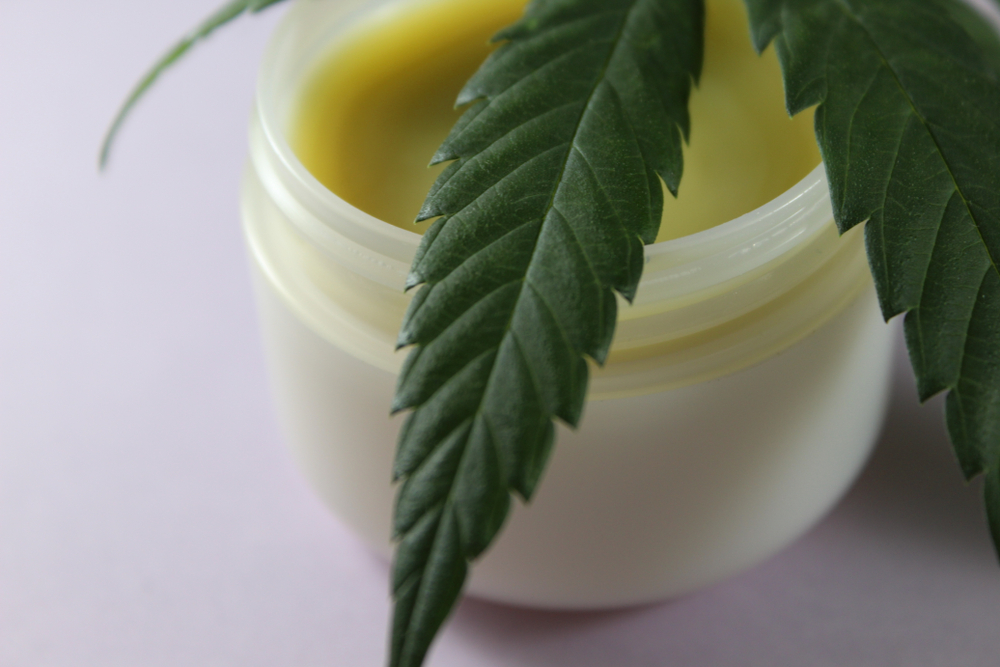
Dry, rough skin can make everyday activities uncomfortable, especially around areas that bend, move, or experience frequent friction. A simple home routine can make a noticeable difference, and Natural balm for knee care may offer a convenient way to moisturize areas that often feel tight or dry. Unlike lightweight lotions, balms create a richer protective layer that helps reduce moisture loss and keeps skin feeling soft for longer.
Why Dry Skin Needs Consistent Daily Care
Healthy-looking skin depends partly on its ability to retain moisture. The outer layer of skin acts as a protective barrier, helping keep water inside while limiting exposure to irritants. Dryness can occur when this barrier loses too much moisture, leaving the surface rough, flaky, tight, or uncomfortable.
Several everyday factors can contribute to dry skin. Cold weather, low indoor humidity, hot showers, frequent washing, harsh soaps, and repeated friction may all leave the skin feeling less comfortable. Regular moisturizing helps support the skin barrier and can make these problems easier to manage.
Consistency matters more than applying a large amount of product occasionally. A small amount of a suitable balm used regularly can become a practical part of a home skincare routine, particularly for areas that repeatedly become dry.
How Balm Helps Protect Dry Skin
Balm has a thicker texture than many traditional lotions and creams. Its richer consistency allows it to sit on the skin's surface and form a protective layer. This layer can help slow moisture loss, which is particularly useful for skin that becomes dry soon after washing.
Many balms contain oils, waxes, butters, or other moisturizing ingredients. Depending on the formula, these ingredients can soften rough areas while helping the skin feel more comfortable. The exact effect depends on the ingredients and the condition of the individual's skin.
Balm Can Reduce Moisture Loss
Water naturally leaves the skin through a process called transepidermal water loss. A protective product can help reduce that loss by creating a barrier over the skin. Balms are especially useful for this purpose because their thicker formulas tend to remain on the surface longer than lightweight products.
This does not mean a balm replaces water or healthy skincare habits. Instead, it works as one part of a routine designed to help the skin retain the moisture it already has.
Balm Can Soften Rough Areas
Knees, elbows, heels, and hands commonly develop rough patches because these areas experience friction and movement. A richer moisturizer can soften the surface and make dry skin feel smoother.
Gentle application is important. Rubbing aggressively can irritate already-sensitive skin, so massage the product lightly until it is distributed evenly.
Why Balm Can Be Practical for Knee Care at Home
The knees experience regular bending, stretching, clothing friction, and exposure to dry air. As a result, the skin around them may become rough or flaky even when other parts of the body remain comfortable.
A balm can be convenient because only a small amount may be needed to cover a dry area. Applying it after bathing can also help support moisture retention because the skin still contains some water from washing.
People should distinguish between dry skin around the knee and pain originating from deeper tissues. A moisturizer can support the condition of the skin, but it does not treat joint injuries, arthritis, inflammation, or other underlying causes of knee pain.
How to Build a Simple Daily Balm Routine
A useful routine does not need to contain numerous products. The main goal is to clean the skin gently, preserve moisture, and apply an appropriate moisturizer consistently.
Step 1: Clean the Skin Gently
Use lukewarm rather than very hot water during bathing. Hot water may remove natural oils from the skin and contribute to dryness.
Choose a mild cleanser when necessary, especially for areas that become dry easily. Avoid excessive scrubbing, as rough exfoliation can leave irritated skin feeling worse.
Step 2: Pat the Skin Dry
After washing, gently pat the skin with a clean towel instead of rubbing it vigorously. Leaving the skin slightly damp can make the next moisturizing step more useful.
There is no need to wait until the skin becomes completely dry. Applying a moisturizer soon after bathing is a common approach for helping seal in moisture.
Step 3: Apply a Small Amount of Balm
Take a modest amount of product and spread it over the dry area in a thin, even layer. A thick coating is not necessarily better, particularly if the product feels heavy or uncomfortable under clothing.
Pay attention to areas that repeatedly become rough. Knees, elbows, hands, and heels may benefit from more consistent attention than areas that rarely become dry.
Step 4: Repeat as Needed
Daily use can help maintain softness more effectively than occasional application. Very dry skin may require moisturizing more than once during the day, depending on the product and individual needs.
A nighttime application can be particularly convenient because the balm has more time to remain on the skin without frequent washing or friction.
What to Look for in a Natural Balm
The phrase “natural” does not automatically mean a product will suit every person. Plant-based ingredients can still cause irritation or allergic reactions, so reading the ingredient list remains important.
A useful balm should match the user's skin needs and personal preferences. Consider products containing moisturizing and protective ingredients that are appropriate for dry skin.
Choose Ingredients That Support Moisture
Ingredients such as plant oils, shea butter, beeswax, and certain botanical butters are commonly found in balm formulas. These ingredients can contribute to the rich texture that makes balms useful for dry areas.
However, formulas vary considerably. Check the label rather than assuming every balm contains the same ingredients or provides identical results.
Be Careful With Fragrance
Fragrance can make a product smell pleasant, but scented ingredients may bother people with sensitive skin. A fragrance-free option can be a sensible choice when dryness is accompanied by irritation or sensitivity.
Essential oils also deserve caution. Natural ingredients can still cause skin reactions, particularly when used in concentrated forms.
Habits That Make Daily Dry Skin Care More Effective
A balm works best as part of a broader skincare routine. Small changes in daily habits can reduce the factors that contribute to dryness.
Helpful practices include:
- Take shorter showers using lukewarm water.
- Apply moisturizer soon after bathing.
- Use gentle cleansers instead of harsh soaps.
- Avoid vigorous scrubbing of dry patches.
- Drink enough fluids as part of normal daily hydration.
- Consider a humidifier during particularly dry indoor conditions.
- Protect exposed skin from cold, dry weather.
- Wear comfortable clothing that does not create unnecessary friction.
These steps are simple, but they can make a routine easier to maintain. Most importantly, choose habits that fit naturally into your day so skincare does not become unnecessarily complicated.
Common Mistakes to Avoid With Balm
Using too much product is one common mistake. A thick layer may feel greasy, transfer onto clothing, or make daily activities inconvenient without providing additional benefits.
Applying balm to unclean skin can also trap dirt or irritants against the surface. Gentle cleansing followed by moisturizing is generally a more practical approach.
Another mistake involves expecting a skincare balm to solve every type of discomfort. Dryness-related tightness may improve with moisturizing, but persistent pain, swelling, warmth, wounds, or significant skin changes require appropriate medical attention.
Do a Patch Test for New Products
Trying a new skincare product on a small area first can help identify potential irritation. Apply a small amount according to the product's directions and monitor the area for redness, itching, burning, or other unusual reactions.
Stop using the product if a concerning reaction develops. People with known allergies or highly sensitive skin may want to discuss suitable ingredients with a healthcare professional or dermatologist.
When Dry Skin Needs More Than Home Care
Most mild dryness can often be managed with gentle skincare and regular moisturizing. However, recurring or severe symptoms deserve closer attention.
Cracked skin that bleeds, persistent itching, spreading redness, significant swelling, or sores may indicate an issue that needs professional evaluation. Conditions such as eczema, psoriasis, contact dermatitis, or certain infections can sometimes resemble ordinary dryness.
Pain also deserves careful consideration. Skin moisturizer may make dry skin around a joint more comfortable, but it should not be considered a treatment for unexplained joint or muscle pain.
Making Balm Part of a Sustainable Routine
The best skincare routine is one that can be followed consistently. Keeping a balm near commonly used skincare products can make application easier and reduce the chance of forgetting.
Morning application may work well for areas exposed to dry air, while evening use can provide longer contact with the skin. Some people may prefer applying balm immediately after bathing because the timing naturally fits into an existing routine.
Product choice also matters for convenience. A balm that feels comfortable, spreads easily, and fits the user's lifestyle is more likely to be used regularly than one that feels excessively greasy or irritating.
Conclusion
Dry skin does not always require a complicated routine. A well-formulated balm can provide a rich moisturizing layer that helps reduce moisture loss, soften rough patches, and support a more comfortable skin barrier. Daily application, gentle cleansing, lukewarm bathing, and attention to irritating ingredients can make home care more effective. For areas such as the knees, elbows, hands, and heels, consistent moisturizing may be especially useful because these regions often experience friction and dryness. A Natural balm can therefore be a practical addition to everyday skincare, provided it suits the user's skin and is used with realistic expectations.
Comments (0)