


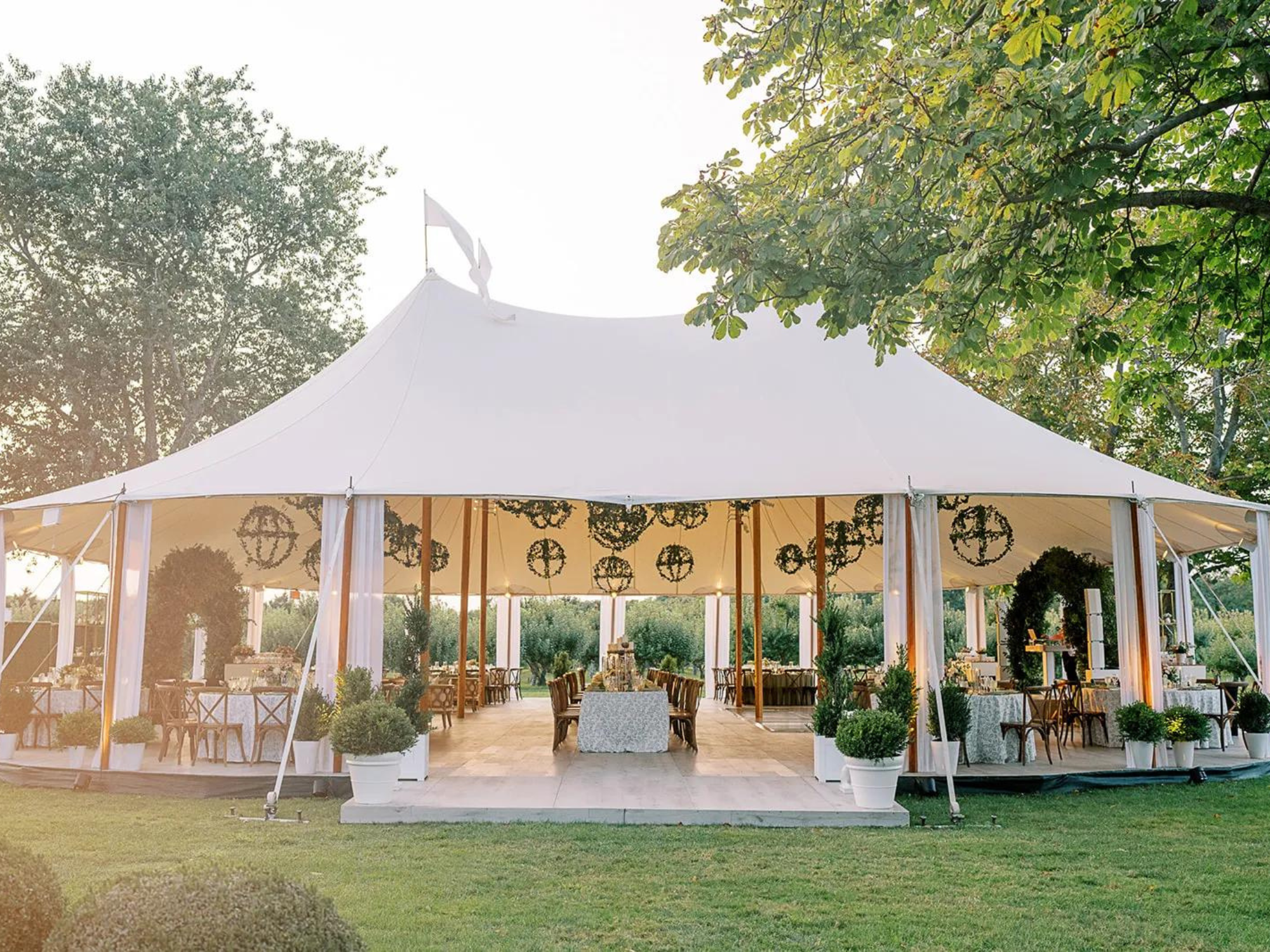
Planning a large event often starts with one important question: how much will the venue setup cost? Whether you're organizing a wedding, corporate gathering, festival, or community celebration, shelter is a major part of the budget. Many event planners researching Tent rentals los angeles discover that pricing can vary widely based on size, location, and services. Understanding the factors behind these costs helps you make informed decisions and avoid unexpected expenses.
Understanding Average Tent Rental Costs for Large Events
Large event tents can range from a few thousand dollars to tens of thousands depending on the event's requirements. A basic tent for a few hundred guests typically costs less than a fully customized structure with flooring, lighting, climate control, and premium décor.
Most event organizers should expect to budget between $2,000 and $20,000 or more for large-scale tent setups. The final amount depends on the size of the event, the duration of the rental, and the equipment included in the package.
Factors That Influence Tent Rental Pricing
Several elements determine the total rental cost. Understanding these variables helps you estimate expenses more accurately and compare quotes effectively.
Tent Size and Guest Capacity
Tent size is one of the biggest pricing factors. Larger tents require more materials, labor, and transportation resources. A tent designed for 100 guests costs significantly less than one built to accommodate 500 or more attendees.
Event planners should calculate guest counts carefully before selecting a tent. Renting more space than necessary can increase costs without providing additional value.
Type of Tent Selected
Different tent styles come with different price points. Frame tents, pole tents, clear-span structures, and sailcloth tents each have unique features and installation requirements.
Clear-span tents often cost more because they provide unobstructed interior space and can support advanced event layouts. Pole tents are generally more affordable but require staking into the ground.
Rental Duration
The length of the rental period directly affects pricing. A single-day event usually costs less than a weekend celebration or week-long festival.
Many rental companies offer discounted rates for extended bookings. However, additional labor and maintenance costs may still apply for longer rental periods.
Additional Costs Beyond the Tent Itself
Many people focus only on the tent rental price and overlook supporting equipment. These extra items can significantly affect the overall budget.
Flooring and Ground Preparation
Outdoor venues often require flooring to create a stable and comfortable environment. Flooring protects guests from uneven surfaces, mud, and weather-related issues.
Ground preparation may also be necessary if the site has slopes, soft soil, or other challenges. These adjustments increase labor requirements and rental costs.
Lighting Systems
Lighting serves both practical and decorative purposes. Basic lighting helps guests move safely throughout the venue, while decorative lighting creates atmosphere and enhances the event experience.
String lights, chandeliers, uplighting, and custom lighting designs all contribute to the final cost.
Climate Control Equipment
Weather can affect guest comfort during outdoor events. Heating units are often needed during colder months, while fans and air-conditioning systems may be required during warmer seasons.
Climate control equipment increases rental expenses but can greatly improve attendee satisfaction.
Tables, Chairs, and Accessories
Many rental providers offer complete event packages that include furniture and accessories. Bundling these services often simplifies planning and may provide cost savings compared to sourcing items separately.
Popular rental additions include dining tables, cocktail tables, chairs, linens, staging, dance floors, and decorative elements.
Comparing Tent Styles for Different Budgets
Selecting the right tent style can help balance appearance and affordability.
Pole Tents
Pole tents are among the most economical options available. They feature center poles that support the structure and create a classic event appearance.
These tents work well for weddings, community events, and outdoor celebrations held on grassy surfaces.
Frame Tents
Frame tents use a metal framework rather than center poles. This design creates more usable interior space and greater flexibility for seating arrangements.
Although they generally cost more than pole tents, many event planners appreciate their versatility.
Clear-Span Structures
Clear-span structures resemble temporary buildings and are popular for large corporate events and high-end gatherings. Their open interiors support complex layouts and extensive customization.
The advanced engineering and installation requirements typically make these structures one of the most expensive options.
How Location Affects Rental Costs
Geographic location can significantly influence pricing. Labor rates, transportation expenses, permit requirements, and local demand all play important roles.
Urban areas often experience higher rental costs due to increased operational expenses. Events held in remote locations may also incur additional transportation and setup charges.
Seasonal demand can further impact prices. Peak wedding and event seasons frequently result in higher rates and reduced availability.
Budgeting Tips for Large Event Tent Rentals
Smart planning can help control costs while maintaining a high-quality event experience.
Book Early
Early reservations often provide access to better pricing and a wider selection of available tents. Waiting until the last minute can limit options and increase costs.
Booking several months in advance is especially important during busy event seasons.
Get Multiple Quotes
Comparing quotes from several providers helps identify competitive pricing and service offerings. Review each proposal carefully to understand what is included.
A lower quote may exclude important services that another provider includes as part of the package.
Prioritize Essential Features
Focus your budget on features that directly affect guest comfort and event success. Decorative upgrades can be added later if funds remain available.
Creating a list of priorities helps prevent unnecessary spending during the planning process.
Questions to Ask Before Signing a Rental Agreement
Carefully reviewing the rental agreement can prevent misunderstandings and unexpected charges.
Consider asking the following questions:
- What is included in the quoted price?
- Are delivery and setup fees separate?
- Does the quote include teardown services?
- Are permits required for the venue?
- What weather contingency options are available?
- Are there additional fees for extended rental periods?
- Is liability insurance included or required?
Clear answers to these questions help ensure accurate budgeting and smoother event execution.
Working With Professional Rental Companies
Experienced rental providers offer more than equipment. They can help assess venue conditions, recommend appropriate tent sizes, and identify potential logistical challenges before installation begins.
Professional teams also understand local regulations and safety requirements. Their expertise reduces the risk of delays, compliance issues, and unexpected expenses.
Building a strong relationship with a reputable rental company often leads to better service and a more efficient planning experience.
Estimating Costs for Common Large Events
Different event types have different rental requirements. A corporate conference may require staging, audiovisual support, and climate control, while a wedding may emphasize décor and guest comfort.
A 200-guest wedding might require a moderate-sized tent with flooring, lighting, and furniture rentals. A 500-person festival could require multiple structures, additional utilities, and extensive logistical support.
Evaluating the event's specific needs helps create a more realistic budget and prevents overspending on unnecessary features.
Conclusion
Tent rentals play a major role in the success of large outdoor events, but costs can vary considerably depending on tent size, style, location, rental duration, and added services. Event planners who understand these factors are better equipped to create accurate budgets and avoid costly surprises. Taking time to compare providers, book early, and prioritize essential features can make a significant difference in overall expenses. With careful planning and the right rental partner, you can create a comfortable, attractive event space that meets your needs while staying within budget.
Comments (0)