


Why Workplace Confidence Matters
Workplace confidence affects both individual and team success. Employees who believe in their abilities often make decisions faster, communicate more clearly, and participate actively in discussions.
Organizations also benefit from confident employees because they are more willing to accept responsibility and contribute creative solutions. As confidence grows, workplace productivity and collaboration often improve as well.
How Trainers Create a Supportive Learning Environment
A trainer's first responsibility is creating a space where employees feel comfortable learning. Many workers hesitate to ask questions because they fear making mistakes or appearing inexperienced.
An effective trainer removes these concerns by encouraging participation and treating mistakes as learning opportunities. This supportive atmosphere allows employees to develop skills without unnecessary pressure, which naturally strengthens confidence over time.
Encouraging Open Communication
Open communication helps employees express concerns and seek clarification when needed. Trainers who listen carefully and provide constructive responses build trust with participants.
As trust develops, employees become more willing to engage in discussions and contribute ideas. This increased participation often leads to greater confidence in workplace interactions.
Building Psychological Safety
Psychological safety allows employees to speak up without fear of criticism. Trainers play an important role in creating this environment by respecting different perspectives and encouraging healthy discussions.
Employees who feel safe sharing their thoughts are more likely to take risks, learn from mistakes, and build stronger self-confidence.
Teaching Skills Through Practical Experience
Knowledge alone does not create confidence. Employees need opportunities to apply what they learn in real-world situations.
Strong trainers use hands-on exercises, simulations, and practical assignments to help participants gain experience. As employees successfully complete tasks, they begin to trust their abilities and become more confident in handling similar challenges at work.
Learning by Doing
Practical activities help employees move beyond theory. Instead of simply hearing about a process, participants actively perform tasks and receive immediate feedback.
This approach allows individuals to recognize their strengths while identifying areas for improvement. Each successful experience adds another layer of confidence.
Using Real-Life Scenarios
Real-life scenarios prepare employees for situations they may encounter in their roles. Trainers can present workplace challenges and guide participants through possible solutions.
This practice helps employees develop problem-solving skills and feel more prepared when similar situations arise in the future.
Providing Constructive Feedback
Feedback is one of the most powerful tools a trainer can use. Employees often struggle to assess their own performance accurately.
A skilled fitness trainer or workplace coach provides clear, balanced feedback that highlights achievements while identifying opportunities for growth. This approach helps employees improve without damaging their confidence.
Recognizing Progress
Acknowledging improvement motivates employees to continue developing their skills. Even small achievements deserve recognition because they demonstrate growth.
Positive reinforcement helps employees understand that their efforts are producing results. This realization strengthens self-belief and encourages continued learning.
Turning Mistakes Into Lessons
Mistakes are a natural part of learning. Trainers who treat errors as valuable learning experiences help employees maintain confidence even when challenges arise.
Instead of focusing on failure, effective trainers emphasize solutions and improvement strategies. This mindset encourages resilience and continuous growth.
Setting Clear and Achievable Goals
Goals provide direction and purpose during training. Employees often feel overwhelmed when expectations are unclear or unrealistic.
Experienced trainers break larger objectives into manageable steps. Achieving these smaller milestones creates a sense of accomplishment and gradually builds confidence.
Creating Measurable Milestones
Measurable milestones help employees track their progress. Seeing visible improvement reinforces the belief that growth is possible.
Each completed milestone serves as proof of capability, making employees more confident in pursuing future goals.
Celebrating Achievements
Celebrating accomplishments helps employees recognize their hard work and progress. Recognition can come through verbal praise, certificates, or public acknowledgment.
These moments reinforce positive behaviors and encourage employees to continue developing their skills.
Improving Communication Skills
Many confidence issues stem from communication challenges. Employees may hesitate to speak during meetings, present ideas, or interact with colleagues.
Trainers help individuals improve verbal and nonverbal communication skills. As communication becomes stronger, employees often feel more comfortable expressing themselves in professional settings.
Developing Presentation Skills
Presentations can be intimidating for many employees. Trainers help participants organize information, speak clearly, and engage audiences effectively.
Repeated practice reduces anxiety and increases confidence during public speaking opportunities.
Strengthening Active Listening
Confidence is not only about speaking. Listening effectively also contributes to successful workplace interactions.
Trainers teach active listening techniques that improve understanding and strengthen professional relationships. Better communication often leads to greater confidence in team environments.
Building Leadership Confidence
Leadership confidence is valuable at every level of an organization. Employees do not need management titles to demonstrate leadership qualities.
Trainers help participants develop decision-making, accountability, and problem-solving skills. These abilities encourage individuals to take initiative and contribute more effectively to workplace success.
Encouraging Ownership
Employees gain confidence when they take ownership of projects and responsibilities. Trainers encourage participants to make decisions and accept accountability for outcomes.
This experience helps individuals trust their judgment and develop stronger leadership capabilities.
Teaching Decision-Making Skills
Decision-making becomes easier when employees understand how to evaluate options and assess risks. Trainers provide frameworks that simplify this process.
As participants make successful decisions, their confidence continues to grow.
Promoting Physical and Mental Well-Being
Confidence is closely connected to overall well-being. Employees who feel healthy and energized often perform better and approach challenges with greater assurance.
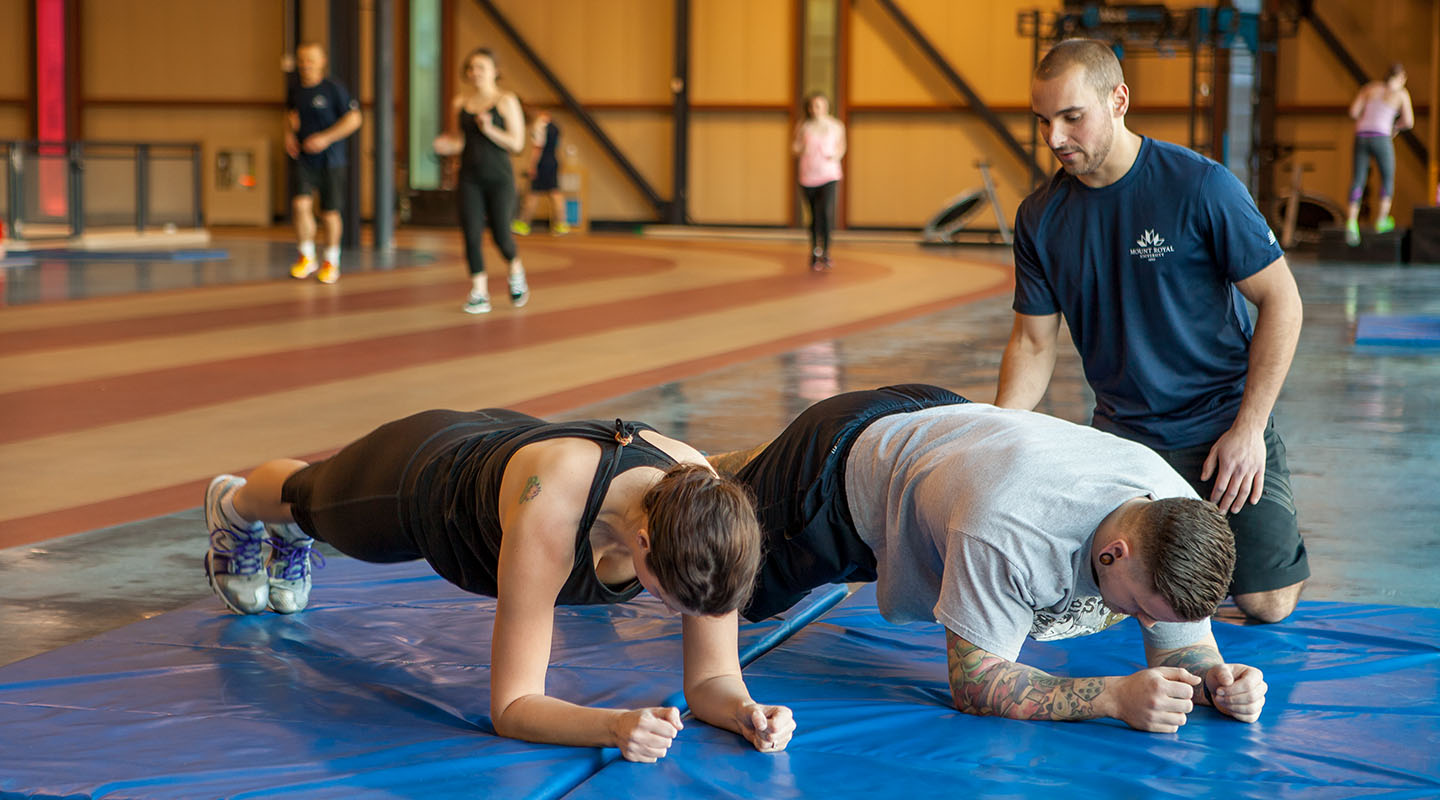
Many organizations now include wellness initiatives as part of professional development. Working with a fitness trainer can help employees improve physical health, increase energy levels, and develop a stronger sense of self-confidence.
Managing Stress Effectively
Stress can undermine confidence and reduce workplace performance. Trainers often introduce techniques that help employees manage pressure more effectively.
These strategies may include time management, relaxation exercises, and healthy lifestyle habits that support long-term success.
Encouraging Healthy Habits
Healthy habits contribute to improved focus, energy, and emotional balance. Trainers who promote wellness help employees maintain the physical and mental resources needed for confident performance.
Consistent healthy behaviors often create positive results that extend beyond the workplace.
Practical Ways Trainers Build Confidence Faster
Some training methods consistently produce strong confidence-building results.
- Encourage regular participation during training sessions.
- Provide immediate and constructive feedback.
- Set achievable short-term goals.
- Recognize progress frequently.
- Use practical exercises and simulations.
- Offer opportunities for peer collaboration.
- Teach stress-management techniques.
- Promote continuous learning and development.
These strategies create a positive cycle of growth where employees gain skills, achieve success, and build greater confidence.
The Long-Term Impact of Confidence Training
Confidence development creates benefits that extend well beyond individual training sessions. Employees who feel capable often demonstrate higher engagement, stronger teamwork, and improved job satisfaction.
Organizations also experience positive outcomes, including increased productivity, better employee retention, and stronger workplace culture. Confidence becomes a valuable asset that supports both personal and professional success.
Conclusion
A trainer does far more than teach skills. Through guidance, encouragement, practical experience, and constructive feedback, trainers help employees build lasting workplace confidence. Confident employees communicate more effectively, solve problems with greater ease, and contribute more actively to organizational success. By creating supportive learning environments, setting achievable goals, and promoting continuous improvement, trainers help individuals recognize their potential and trust their abilities. Organizations that invest in confidence-building training often see stronger performance, improved collaboration, and a more motivated workforce prepared to meet future challenges with confidence and determination.
Comments (0)