


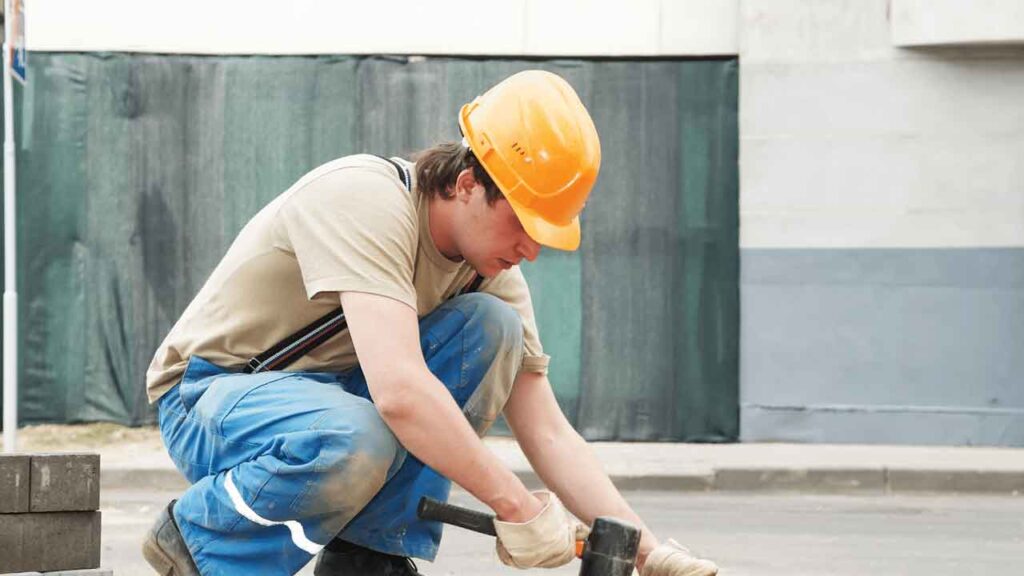
A strong home begins with a foundation that can handle time, weather, and daily demands. Masonry has remained a trusted construction method because it provides durability, stability, and long-term protection for residential structures. Working with an experienced NJ masonry contractor helps homeowners and builders create solid walls, reliable foundations, and attractive features that improve overall home performance. Modern masonry combines traditional strength with updated techniques to support safer and more efficient living spaces.
Why Masonry Is Important For Modern Home Strength
Masonry plays an important role in improving the structural quality of residential buildings. Materials such as brick, concrete blocks, and stone create strong surfaces that can support heavy loads while resisting environmental stress. These qualities make masonry a preferred choice for many construction projects.
Modern homes require materials that provide both strength and durability. Masonry helps protect buildings from moisture, temperature changes, and physical damage. With proper planning and installation, masonry systems can maintain their performance for decades with limited maintenance.
Provides Strong Structural Support
One of the biggest advantages of masonry is its ability to provide dependable structural support. Masonry walls can carry significant weight, making them suitable for foundations, exterior walls, retaining walls, and other important parts of a home.
Unlike lightweight materials that may require frequent repairs, masonry offers a solid structure that remains stable over time. The strength of these materials helps reduce movement, cracks, and damage caused by normal building stress.
A properly built masonry system also improves the connection between different parts of a home. This creates a stronger structure that can better handle pressure from the roof, upper floors, and outside forces.
Improves Resistance Against Weather Conditions
Homes face many weather challenges throughout the year, including heavy rain, strong winds, and temperature changes. Masonry materials are naturally designed to withstand many of these conditions.
Brick and concrete masonry provide excellent protection against moisture when installed correctly. Proper sealing and drainage methods prevent water from entering the structure, reducing the risk of mold growth and interior damage.
Masonry also helps homes remain stable during extreme weather events. Strong walls and reinforced structures provide additional protection compared to weaker building materials.
How Masonry Enhances Home Durability
Durability is one of the main reasons homeowners choose masonry for construction and renovation projects. A durable home requires fewer repairs and maintains its value over a longer period.
Masonry materials are known for their resistance to wear and damage. They do not easily rot, attract pests, or deteriorate from normal outdoor exposure. This makes them a practical investment for long-term property improvement.
Reduces Maintenance Requirements
Homeowners often look for construction solutions that save time and money over the years. Masonry helps achieve this goal because it requires less upkeep compared to many alternative materials.
Brick and stone surfaces typically maintain their appearance without frequent painting or replacement. Routine inspections and occasional cleaning are usually enough to keep masonry features in good condition.
Lower maintenance needs also benefit contractors and property owners by reducing future repair costs. A well-built masonry project provides dependable performance without constant attention.
Increases Protection Against Fire Damage
Safety is a major consideration in modern home construction. Masonry materials offer strong resistance to fire because brick, stone, and concrete are non-combustible materials.
Masonry walls can slow the spread of fire and provide additional protection for the people and belongings inside a home. This quality makes masonry a valuable option for improving residential safety.
Contractors often recommend masonry solutions for areas where durability and protection are important. Combining quality materials with proper building techniques creates a safer living environment.
The Role Of Professional Masonry Contractors
Successful masonry work depends on more than selecting strong materials. Proper installation techniques, accurate measurements, and careful planning determine the final strength and performance of the structure.
Professional contractors understand how different masonry materials react to various conditions. They use proven methods to ensure walls, foundations, and decorative features remain secure.
Hiring skilled masonry contractors also helps prevent common construction problems. Poor installation can lead to uneven surfaces, water damage, and structural weaknesses that become expensive to repair.
Choosing The Right Materials For Each Project
Every home improvement or construction project has different requirements. Contractors must select materials based on the location, design goals, and structural needs of the property.
Common masonry materials include:
- Brick for durable exterior walls and classic designs
- Concrete blocks for strong structural applications
- Natural stone for decorative and heavy-duty features
- Mortar systems designed for proper bonding and stability
The right material choice improves both appearance and performance. Experienced professionals evaluate each project carefully before recommending the best masonry solution.
Following Proper Construction Methods
Masonry strength depends heavily on installation quality. Even high-quality materials can fail when construction methods are incorrect.
Professional masonry work includes proper foundation preparation, accurate placement, strong mortar joints, and effective moisture management. These steps ensure the finished structure performs as expected.
Contractors also consider factors such as expansion, temperature changes, and drainage. These details help prevent future damage and extend the life of the masonry system.
How Masonry Supports Energy Efficiency In Homes
Modern homeowners often consider energy performance when selecting construction materials. Masonry contributes to better temperature control because materials like brick and concrete can absorb, store, and release heat gradually. This natural ability helps reduce sudden indoor temperature changes.
A stable indoor environment means heating and cooling systems may not need to work as hard throughout the year. As a result, masonry can support lower energy consumption while creating a more comfortable home environment.
Helps Maintain Indoor Comfort
Masonry walls provide thermal mass, which allows them to regulate indoor temperatures more effectively. During warmer months, masonry can slow down heat movement into the home. During colder periods, it helps retain warmth for longer periods.
This benefit is especially useful for homeowners who want consistent indoor comfort without relying heavily on mechanical systems. Proper insulation combined with masonry construction creates an effective barrier against outdoor temperature changes.
Supports Long-Term Property Value
A home built with durable materials often attracts more interest from future buyers. Masonry features can improve a property's appearance, strength, and reliability, making them valuable additions to residential buildings.
Brick exteriors, stone features, and masonry structures often maintain their quality for many years. Because of their durability and low maintenance needs, these features can contribute to stronger resale value.
Common Masonry Applications In Modern Homes
Masonry is used in many areas of residential construction. It is not limited to exterior walls but can also improve functional and decorative elements throughout a property.
Contractors use masonry for projects that require strength, protection, and visual appeal. The right application depends on the homeowner’s goals and the structural needs of the building.
Foundations And Support Walls
A strong foundation is essential for every home. Masonry foundations provide stability by creating a solid base that supports the weight of the structure above.
Concrete blocks and poured concrete systems are commonly used for foundation construction because they provide reliable strength. Properly installed foundations help prevent shifting and structural problems caused by soil movement or moisture.
Support walls also benefit from masonry because they can handle significant pressure. Retaining walls, basement walls, and load-bearing structures often depend on masonry materials for dependable performance.
Exterior Design Features
Beyond structural benefits, masonry improves the visual appeal of modern homes. Brick facades, stone pathways, patios, and outdoor fireplaces add character while maintaining durability.
Homeowners can choose from many masonry styles, colors, and textures to match different architectural designs. This flexibility allows contractors to create attractive features without sacrificing strength.
Decorative masonry also provides practical benefits. Outdoor features made with quality materials can withstand exposure to sunlight, rain, and seasonal changes.
How To Maintain Masonry For Maximum Performance
Although masonry requires limited maintenance, regular care helps preserve its strength and appearance. Small issues can become larger problems if they are ignored for long periods.
Routine inspections allow homeowners and contractors to identify cracks, damaged mortar, or moisture concerns early. Addressing these issues quickly helps prevent expensive repairs.
Schedule Regular Inspections
Professional inspections are useful for identifying signs of wear. A contractor can examine masonry surfaces, joints, and surrounding areas to determine whether repairs are needed.
Homeowners should look for warning signs such as:
- Cracks appearing in walls or mortar joints
- Loose bricks or stones
- Water stains near masonry surfaces
- Gaps between masonry materials
Early detection helps protect the structure and keeps repair costs manageable. Regular inspections are especially important for older homes or properties exposed to harsh weather.
Keep Water Away From Masonry Structures
Moisture control is one of the most important parts of masonry maintenance. Although masonry materials are strong, continuous water exposure can weaken mortar joints and create damage over time.
Proper drainage systems, sealed surfaces, and clean gutters help direct water away from masonry areas. These simple steps protect walls and foundations from unnecessary moisture problems.
Contractors also use specialized techniques during installation to manage water movement. Good planning ensures masonry remains strong and functional throughout its expected lifespan.
Why Modern Builders Continue Choosing Masonry
Masonry remains popular among builders because it combines strength, durability, safety, and design flexibility. These qualities make it suitable for both traditional homes and modern architectural styles.
Construction professionals understand that material selection affects the long-term performance of a building. Masonry provides dependable results when installed correctly and maintained properly.
Combines Traditional Strength With Modern Needs
Although masonry has been used for centuries, modern construction methods continue improving its performance. Updated tools, improved materials, and better installation practices allow contractors to achieve stronger results.
Builders can now create energy-efficient and visually appealing homes using advanced masonry solutions. This combination of proven durability and modern techniques makes masonry a reliable choice.
Provides A Sustainable Building Option
Many homeowners and contractors consider sustainability during construction planning. Masonry materials often have long service lives, reducing the need for frequent replacement.
Durable materials create less waste over time because they do not require constant rebuilding or replacement. This makes masonry a practical option for projects focused on long-term performance.
Additionally, materials such as brick and stone can complement energy-efficient construction designs. Their durability and thermal properties support homes designed for lasting efficiency.
Conclusion
Masonry remains one of the most dependable ways to improve the strength and durability of a modern home. From foundations and support walls to exterior designs, masonry provides stability, weather resistance, and long-term value. Skilled installation plays an important role in achieving the best results, which is why professional expertise matters for every project. By choosing quality materials and proper construction methods, homeowners can create safer, stronger, and more comfortable living spaces that continue performing well for many years.
Comments (0)