


The modern smart home does more than just let you dim the lights from your phone. It learns your habits, anticipates your needs, and optimizes your energy use without you lifting a finger. But a smart home is only as intelligent as its energy source. Residential stackable battery backup has become the missing link in smart home energy solutions, giving your home the ability to store cheap off-peak electricity, capture excess solar power, and seamlessly switch to backup mode during outages – all while communicating with your other smart devices. Unlike a dumb backup battery that just sits in the corner waiting for an emergency, a smart stackable system integrates directly with your home automation platform. It can tell your thermostat to pre-cool the house when battery levels are high, or notify your smart plugs to shed non-essential loads when the battery is running low. For homeowners who have invested in smart lighting, smart thermostats, and smart appliances, adding a stackable battery backup is the final piece that ties everything together into a truly intelligent energy ecosystem.
Integration with Popular Smart Home Platforms
One of the first things you’ll want to know is whether a stackable battery plays nicely with your existing smart home setup. The good news is that most modern systems offer integration with the big three platforms: Amazon Alexa, Google Home, and Apple HomeKit, as well as open-source platforms like Home Assistant. Through these integrations, you can check your battery’s state of charge with a simple voice command – “Alexa, ask my battery how much power is left.” You can create routines that trigger based on battery status. For example, if the battery drops below 30%, your smart plugs could automatically turn off decorative lighting and non-essential electronics to preserve power for the refrigerator and sump pump. Some stackable batteries also integrate with IFTTT (If This Then That), allowing even more creative automations. You might set up an automation that sends a push notification to your phone when the battery finishes charging from solar, or one that adjusts your smart thermostat to energy-saving mode when the grid goes down and the battery takes over. The depth of integration varies by brand, so check compatibility before buying. But increasingly, manufacturers recognize that homeowners want their battery to be a first-class citizen in their smart home, not an isolated silo.
Automating Energy Management for Maximum Savings
Here’s where stackable battery backup becomes truly clever. With smart automation, your battery can make decisions that save you money without any manual input. The most common automation is time-of-use optimization. Your battery learns your utility’s rate schedule – cheap overnight, expensive afternoon – and automatically charges during low-rate periods and discharges during high-rate periods. The whole process happens silently in the background. Some advanced systems take this further by incorporating weather forecasts. If tomorrow is predicted to be cloudy, the battery might hold onto more of its charge rather than selling it back to the grid, ensuring you have enough stored solar energy for the next day. If a storm is forecast, the battery can automatically charge to 100% from the grid (if allowed by your utility) to ensure maximum backup capacity. You can also set up automations based on real-time electricity prices if your utility offers variable rates. The battery might discharge aggressively when prices spike above a certain threshold, or pause charging when prices are moderate and wait for cheaper rates later. For smart homeowners, these automations turn a passive backup battery into an active money-saving device that pays for itself over time.
Voice Control and Mobile Monitoring
There’s something satisfying about asking your voice assistant how your battery is doing and getting an immediate answer. Most smart stackable battery systems offer companion mobile apps that provide real-time data – current state of charge, input/output power, estimated runtime, and historical trends. These apps also let you control the battery remotely. If you’re on vacation and see that a storm is heading toward your home, you can log into the app and increase your backup reserve from 20% to 60%, ensuring you have plenty of power if the grid goes down while you’re away. If you’ve installed solar panels, you can see exactly how much of your solar energy is being used directly, how much is being stored, and how much is being exported. The best apps also provide actionable insights: “You’re consistently discharging your battery to empty before midnight. Consider adding another module to cover your evening usage.” Voice control adds another layer of convenience. You can say “Hey Google, set my battery to backup mode” or “Alexa, tell my battery to charge from solar only.” Some systems even offer voice announcements: “Your battery has reached 25% capacity remaining.” For families with multiple members, voice control makes it easy for anyone to check on the system without needing to find the app.
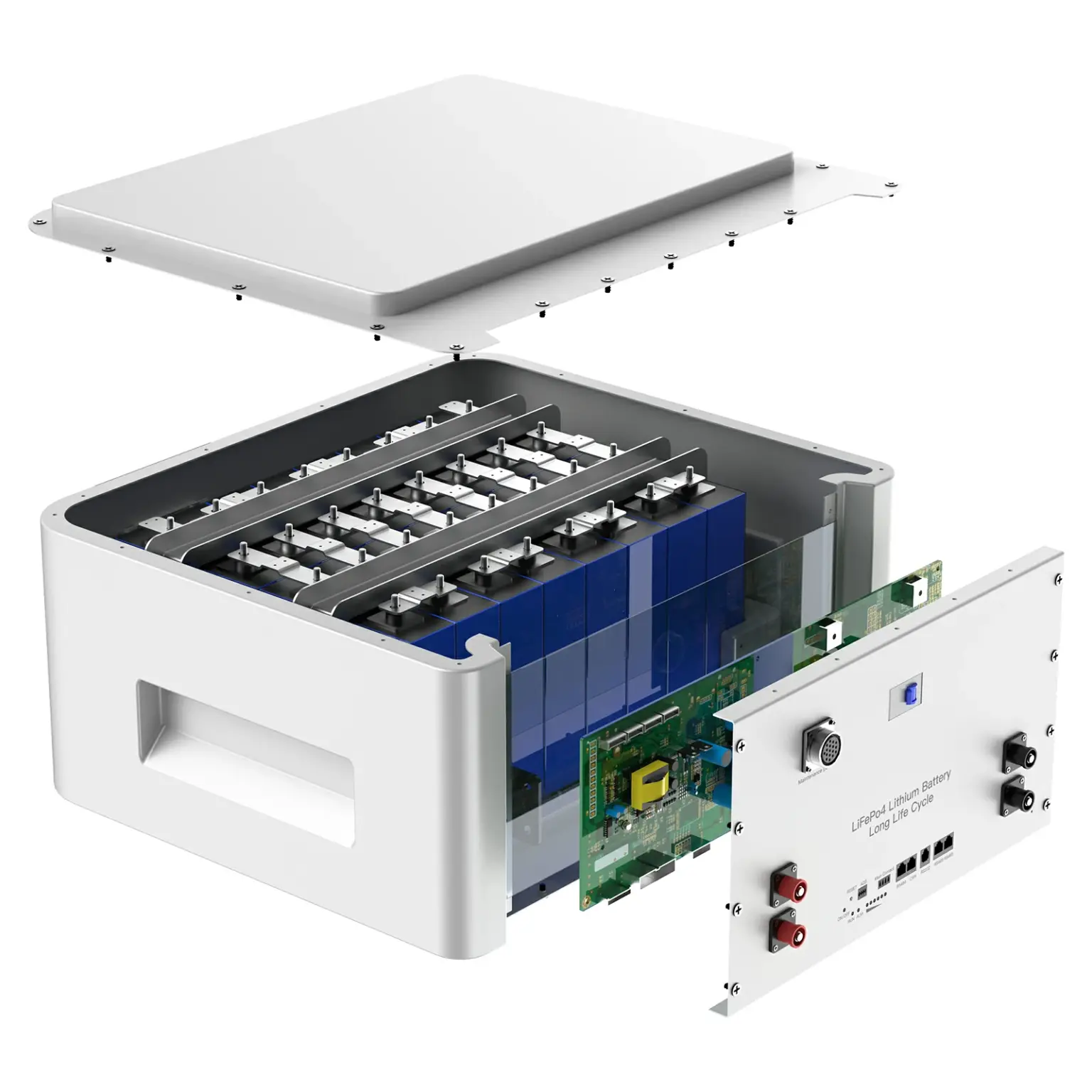
Using Battery Data to Optimize Home Energy Use
A smart stackable battery doesn’t just store energy – it generates data that helps you understand and improve your home’s overall energy efficiency. Most systems track detailed metrics: peak demand times, average depth of discharge, cycle counts, and temperature trends. You can use this data to identify energy hogs. For example, if you notice that your battery consistently drains rapidly between 6 and 8 PM, you might investigate what appliances are running during those hours. Maybe it’s an old space heater or a malfunctioning well pump. By addressing those inefficiencies, you reduce your overall energy needs, which means you can get by with a smaller (cheaper) battery stack. Some smart battery systems integrate directly with energy monitoring devices like the Sense or Emporia Vue, giving you appliance-level insights. You might discover that your sump pump runs far more often than you realized, or that your electric water heater is cycling at odd hours. Armed with this information, you can change habits, upgrade appliances, or adjust schedules to flatten your consumption curve. Over time, this feedback loop makes your home genuinely smarter about energy, reducing both your bills and your battery cycling – which extends battery life even further.
Preparing for Future Smart Grid Integration
The smart home of tomorrow won’t just talk to your phone – it will talk to the grid. Many utilities are already rolling out programs that allow residential batteries to provide services to the grid, such as frequency regulation and peak load shaving. In exchange, homeowners receive payments or bill credits. Smart stackable battery systems are designed with this future in mind. They include the communication hardware and software protocols needed to participate in virtual power plants and demand response programs. When your utility needs extra capacity on a hot summer afternoon, they can send a signal to your battery to discharge a certain amount of power back to the grid. You set the parameters – maybe you allow up to 50% of your battery to be used for grid services, with a guaranteed minimum reserve for your own backup needs. The battery handles the rest automatically. As more homes adopt smart stackable batteries, these grid services will become increasingly common, turning your backup battery into a small revenue generator. For forward-thinking homeowners, choosing a stackable system that supports these emerging grid interactions is a way to future-proof your investment. Even if your utility doesn’t offer such programs today, they likely will within the next five years – and you’ll be ready. The smart home energy revolution is here, and residential stackable battery backup is at its heart.
Comments (0)