


There’s a certain peace that comes with owning something truly premium. It’s not just about the price tag or the brand name embossed on the front panel. It’s about the quiet confidence that when you need it most, it will perform exactly as promised. A premium 16kWh solar battery embodies that philosophy. This is not the battery you buy because it was the cheapest option on an online spreadsheet. This is the battery you choose because you want fifteen years of trouble-free operation, seamless integration with your existing solar system, and customer support that actually answers the phone when you call. For homeowners who have invested heavily in high-end solar panels and expect their whole system to last, skimping on the battery is like putting cheap tires on a luxury car. The premium segment of the 16kWh market has grown substantially, offering features and build quality that genuinely justify the higher cost. Let’s explore what makes these batteries different and why the investment often pays for itself in reliability alone.
What Premium Actually Buys You in a Battery
When you upgrade from a standard to a premium 16kWh solar battery, you’re paying for things you can’t see in a spec sheet. You’re paying for cells that have been individually tested and matched to within 0.01 volts of each other, ensuring the pack ages uniformly. You’re paying for a battery management system with redundant sensors and fail-safe contactors that physically disconnect the battery if any parameter goes out of bounds. You’re paying for an enclosure that carries real weather sealing—not just IP20 for indoor use, but IP65 that shrugs off dust and rain. You’re paying for wiring and terminals made from solid copper rather than plated aluminum. And perhaps most importantly, you’re paying for a warranty that a company actually intends to honor. Premium brands like Sonnen, SimpliPHI, and Franklin WH have built their reputations on standing behind their products. When a premium battery fails—and every manufacturer has some failures—the replacement shows up quickly, and the company covers the labor. That level of backing costs money to provide, which is why premium batteries command higher prices.
Build Quality That Speaks for Itself
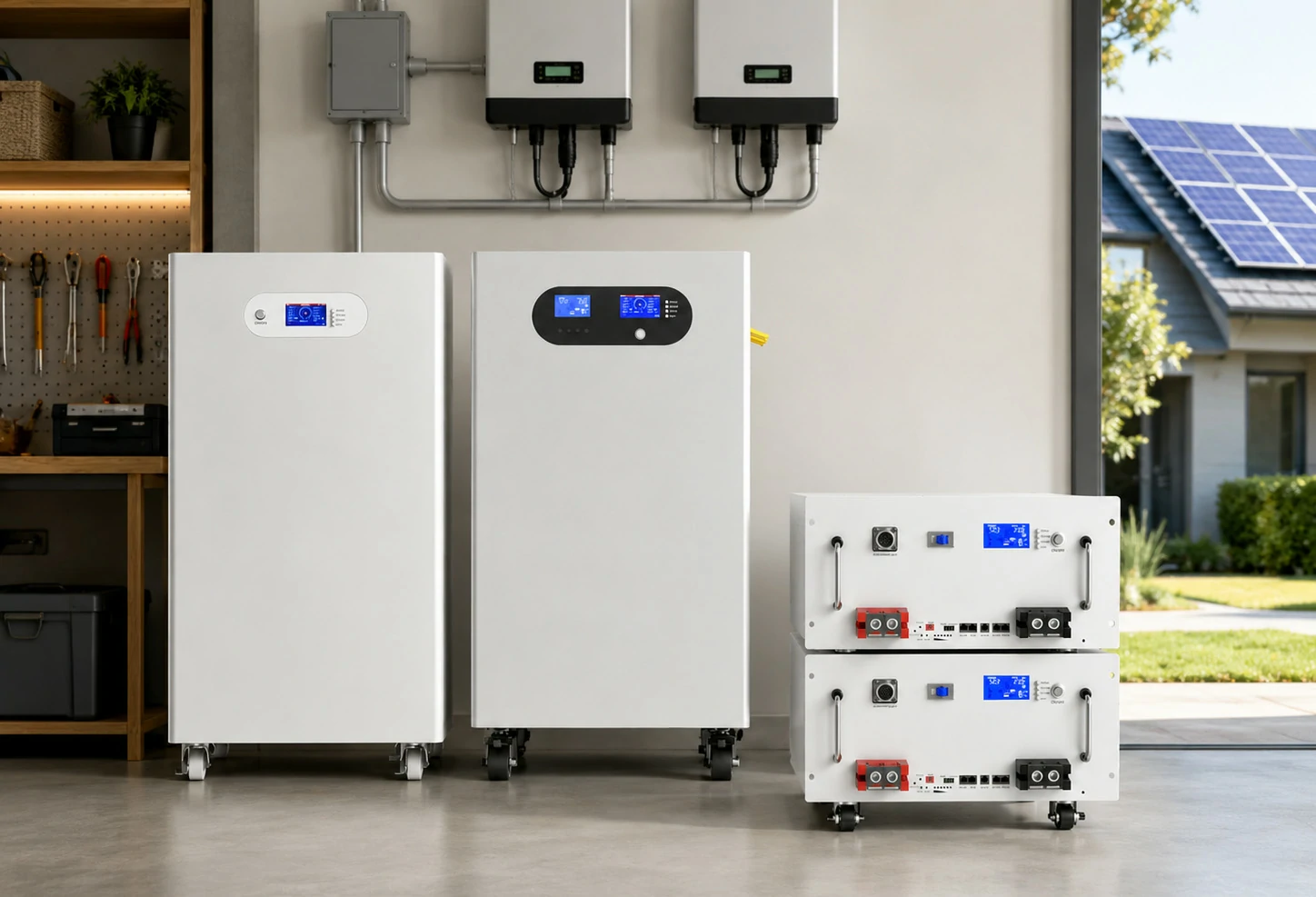
Open the cover of a premium 16kWh solar battery, and the difference is immediately obvious. Instead of a tangle of wires and hastily applied zip ties, you’ll see organized busbars, labeled connectors, and cable management that looks like it belongs in a medical device. The cells themselves are held in precision-machined aluminum frames with consistent compression across every cell. This compression prevents the gradual swelling that plagues cheaper batteries over time. The battery management system circuit board is conformal coated—a thin polymer layer that protects against humidity and corrosion. Ventilation paths are engineered, not accidental, with airflow modeling that ensures every cell receives adequate cooling. Terminal bolts are stainless steel with anti-vibration washers. Fuses and circuit breakers are from name brands like Littelfuse or Bussmann, not generic components. Every one of these details costs extra to manufacture, and none of them appear in marketing materials. But they’re why a premium battery still looks and performs like new after eight years, while a budget battery from the same era might be showing corrosion, loose connections, and degraded performance.
Seamless Solar Integration Without Compromise
One of the biggest frustrations homeowners face is getting different brands of equipment to talk to each other. Your premium 16kWh battery solves this by being designed to work seamlessly with the major solar inverter brands. Premium manufacturers maintain engineering partnerships with inverter companies like Sol-Ark, Schneider Electric, Victron, and SMA. This means the communication protocols are thoroughly tested and certified. When you connect a premium battery to a compatible inverter, the system automatically recognizes the battery, pulls down the correct settings, and establishes closed-loop communication. The inverter knows exactly how much current the battery can accept at its current temperature and state of charge. The battery knows the inverter’s capabilities and adjusts its requests accordingly. This level of integration isn’t just convenient—it’s safer and more efficient. Open-loop systems often leave performance on the table, charging too slowly to capture all your solar production or too aggressively, shortening battery life. Premium systems eliminate those compromises, delivering the full performance you paid for.
Advanced Monitoring and Analytics
Premium solar batteries come with monitoring that puts basic apps to shame. Instead of just showing a percentage and a pretty animation, you get access to detailed data about every aspect of your battery’s health and performance. You can see voltage at the individual cell group level, spot trends in internal resistance, and review historical charts of temperature, charge current, and cycle count. Some premium platforms offer predictive analytics, alerting you when a cell group is beginning to drift before it becomes a problem. You can set custom notifications for events like “battery temperature exceeded 100°F” or “state of charge below 20% for more than two hours.” For homeowners who like to understand their systems deeply, this data is invaluable. It also makes warranty claims straightforward—when you can show the manufacturer a log of perfect operating conditions and a sudden cell failure, there’s no argument about improper use. Some premium systems even allow remote diagnostics, where a support technician can log into your battery with permission and run tests without visiting your home. That means faster troubleshooting and less downtime.
Longevity That Justifies the Investment
Let’s do the math honestly. A premium 16kWh solar battery might cost 10,000to10,000to12,000, while a budget alternative could be 5,000to5,000to6,000. But the premium battery often includes a 12-year or 15-year warranty with a capacity guarantee of 80% at the end of that term. The budget battery might offer five to seven years with less clear capacity provisions. Over fifteen years, you might buy two budget batteries to get the same service life as one premium unit. Suddenly that 5,000budgetbatterybecomes5,000budgetbatterybecomes10,000 or more when you factor in the second purchase, plus installation labor all over again. The premium battery’s higher upfront cost starts looking like a bargain. Moreover, premium batteries degrade more slowly. After ten years, a premium 16kwh battery might still deliver 14.5kWh of usable capacity, while a budget battery from the same era might be down to 11kWh. That 3.5kWh difference matters during a long winter outage or when you’re trying to maximize self-consumption. For homeowners who plan to stay in their homes for a decade or more, the premium option is often the more economical choice in the long run.
Customer Support as a Core Feature
When something goes wrong with your solar storage, you want help immediately, not after navigating an automated phone tree for forty-five minutes. Premium battery manufacturers treat customer support as a core feature, not an afterthought. You get phone numbers that lead to real humans, often with technical backgrounds rather than just script readers. Support hours extend into evenings and weekends because outages don’t schedule themselves for business hours. Many premium brands offer what’s called “concierge support” for the first year, where a dedicated representative checks in periodically and helps optimize your system. Some provide loaner batteries during warranty replacements, so you’re never left without backup power. This level of service is expensive to provide, which is why budget brands cut corners here. But when you’re sitting in a dark house during a storm, trying to figure out why your battery isn’t working, having a knowledgeable person on the phone within five minutes feels priceless. It’s the kind of feature you hope you never need, but when you do, you’ll be profoundly grateful you paid for it.
Comments (0)