


Abscess management has evolved into a highly refined field where precision, safety, and faster healing outcomes are prioritized through modern clinical innovation. Traditional methods have been enhanced with improved visualization, controlled access techniques, and better infection control strategies that collectively redefine how localized infections are treated. At the center of this evolution is Incision and Drainage of Abscesses in Dubai a foundational yet increasingly advanced procedure that has been transformed through breakthrough techniques designed to optimize outcomes while minimizing tissue disruption and improving recovery efficiency.
This modern approach focuses on accuracy in identifying the infection cavity, controlled release of purulent material, and ensuring complete clearance of infected tissue spaces. The breakthrough lies not just in performing the procedure but in how intelligently it is planned, executed, and followed up to prevent recurrence and enhance healing stability.
Evolution of Abscess Treatment in Modern Practice
Abscess treatment has moved far beyond basic drainage methods. Earlier approaches relied on simple incision and passive drainage, often leading to incomplete evacuation or recurrence. Today, advanced understanding of tissue behavior, infection pathways, and wound dynamics has reshaped the entire process.
The evolution is centered around minimizing trauma while maximizing effectiveness. This means carefully selecting entry points, using refined instruments, and ensuring that the infected cavity is fully explored before closure or dressing. The goal is not only immediate relief but also long-term resolution of infection.
Breakthrough Techniques in Precise Cavity Access
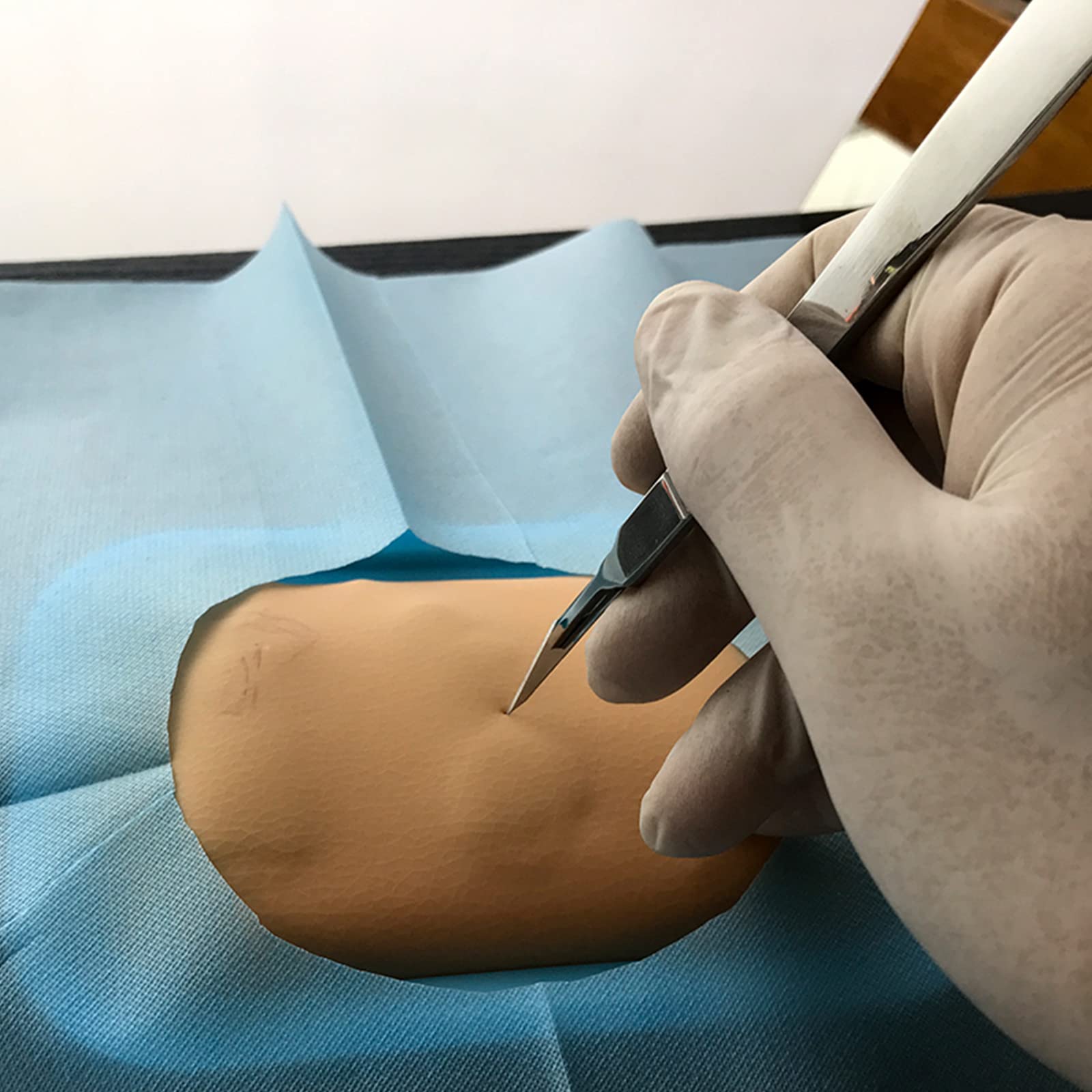
One of the most significant advancements in abscess management is improved cavity access. Instead of broad or imprecise openings, modern techniques focus on controlled, minimal incisions that align with the natural spread of infection.
This precision-based access allows for better visualization of pus pockets and reduces unnecessary damage to surrounding healthy tissue. The controlled approach also helps maintain structural integrity of the affected area, reducing post-procedural complications and improving cosmetic outcomes.
Advanced probing methods are often used to identify hidden extensions of the abscess cavity. These extensions, if left untreated, can lead to reinfection or prolonged inflammation. Breakthrough techniques ensure that all affected areas are addressed in a single, comprehensive intervention.
Controlled Drainage and Infection Clearance Innovation
Drainage is no longer a passive step but a carefully managed process. The breakthrough lies in controlling the flow and ensuring complete evacuation of purulent material without forcing contamination into surrounding tissues.
Modern methods often include gentle irrigation systems that flush the cavity, removing residual debris and reducing bacterial load. This step is crucial in breaking the cycle of infection and allowing healthy tissue regeneration to begin.
In some cases, layered drainage strategies are applied to address complex or multi-pocket abscesses. These allow each compartment to be cleared systematically, ensuring no residual infection remains hidden within tissue folds.
Advanced Tissue Preservation Strategies
A major breakthrough in abscess management is the emphasis on tissue preservation. Instead of aggressive disruption, modern techniques prioritize protecting surrounding healthy structures.
This is achieved through precise incision planning, controlled instrument handling, and minimal invasive exposure. Preserving tissue integrity significantly improves healing speed and reduces the likelihood of scarring or delayed recovery.
By focusing on preservation, the body’s natural healing mechanisms are supported rather than disrupted, leading to smoother regeneration and better functional outcomes.
Role of Enhanced Visualization in Procedure Accuracy
Improved visualization plays a critical role in modern abscess treatment techniques. Enhanced imaging and inspection methods allow practitioners to clearly understand the depth, size, and branching of the abscess cavity before intervention.
This level of clarity ensures that every step of the procedure is guided by accurate structural understanding. It reduces guesswork and allows for targeted incision placement, ensuring the most efficient drainage path.
Visualization also helps identify complications such as septations or deep extensions that might otherwise be missed in conventional approaches. Addressing these complexities during the procedure reduces recurrence risk significantly.
Post-Drainage Optimization and Healing Acceleration
The success of abscess management does not end with drainage. Post-procedure optimization is a key part of breakthrough techniques, focusing on accelerating healing and preventing reinfection.
The cavity is carefully monitored to ensure it remains clean and free from fluid reaccumulation. Natural drainage pathways are maintained temporarily if needed, allowing continuous removal of residual fluids.
Healing acceleration strategies also include supporting tissue regeneration through proper wound care management. This ensures that the treated area transitions smoothly from infection control to complete recovery.
Infection Control and Recurrence Prevention
One of the most important goals in modern abscess treatment is preventing recurrence. Breakthrough techniques achieve this by ensuring complete cavity clearance, eliminating bacterial reservoirs, and maintaining optimal drainage conditions.
Careful attention is given to preventing premature closure of the wound before internal healing is complete. This balance is crucial in avoiding trapped infection that could restart the inflammatory cycle.
Advanced infection control strategies also focus on maintaining a sterile environment throughout the healing process, ensuring that external contamination does not compromise recovery.
Minimally Disruptive Recovery-Oriented Approach
A defining feature of breakthrough abscess management techniques is the shift toward minimally disruptive care. The objective is to achieve maximum therapeutic effect with minimal physical trauma.
This approach reduces discomfort, shortens recovery time, and enhances overall patient experience. By combining precision techniques with gentle tissue handling, the procedure becomes more efficient and less invasive.
The recovery-oriented mindset ensures that every step, from incision to final healing, is designed with long-term tissue health in mind.
Future Direction of Abscess Management Techniques
The future of abscess treatment continues to move toward even greater precision and minimal intervention. Emerging techniques are focusing on smarter detection, more refined drainage control, and enhanced biological healing support.
The integration of advanced procedural planning with improved tissue understanding is shaping a new standard in infection management. This ensures that treatments are not only effective but also optimized for comfort, speed, and long-term success.
Final Insight into Breakthrough Abscess Care
Modern advancements have transformed abscess management into a highly controlled and refined procedure that prioritizes precision, safety, and complete healing. With continuous innovation in technique and approach, outcomes are becoming more predictable and recovery more efficient. At the core of this transformation remains Incision And Drainage Of Abscesses a procedure that has evolved into a breakthrough technique delivering reliable infection control and improved tissue restoration through advanced clinical understanding and execution.
Comments (0)