


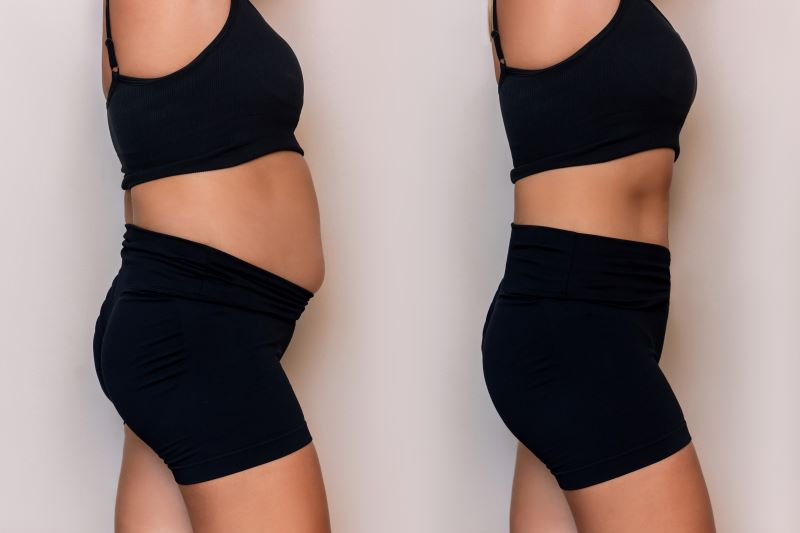
Body contouring is no longer a one-size-fits-all approach. Modern aesthetic techniques are designed to work with the body’s natural proportions rather than forcing a single ideal shape. One of the most refined approaches focuses on enhancing definition while respecting anatomical differences, allowing individuals to achieve more balanced and sculpted outcomes. In this context, Vaser 4D Liposuction in Dubai has become widely recognized for its ability to adapt to different body types and create highly personalized results that align with natural structure rather than altering it unnaturally.
Understanding Vaser 4D Liposuction
This technique is built around precision fat emulsification and selective fat removal, which allows for targeted sculpting of specific areas. Instead of simply reducing fat volume, it focuses on enhancing natural muscle lines and improving overall body definition. The “4D” aspect refers to how the body appears not only in a static position but also in motion, emphasizing dynamic contours that move naturally with posture and activity.
What makes this approach distinct is its ability to differentiate between superficial and deeper fat layers. This selective process ensures that essential fat remains untouched where needed while removing excess fat in areas that obscure muscular definition or disrupt body harmony.
How It Works on Lean Body Types
Individuals with lean body types typically already have lower fat percentages, but may still struggle with subtle unevenness or lack of definition in certain areas. For this group, the technique is used with a high level of precision, focusing on enhancing existing muscle structure rather than removing large fat volumes.
In lean physiques, even small adjustments can significantly improve definition. Areas such as the abdomen, flanks, and arms can be refined to highlight natural athletic contours. The goal is not transformation but refinement, ensuring that the body looks more sculpted without appearing artificially altered.
Impact on Average Body Types
Most individuals fall into the average body type category, where fat distribution is moderate and varies across different regions of the body. In these cases, the technique works by carefully balancing fat reduction and contour enhancement.
The abdomen, waist, thighs, and back are common focus areas where fat tends to accumulate unevenly. By selectively addressing these zones, the body gains a more proportional appearance. The transition between different body regions becomes smoother, resulting in a more harmonious silhouette.
What makes this approach particularly effective for average body types is its adaptability. The treatment is not uniform but instead customized to address each individual’s unique fat pattern and muscle structure.
Sculpting Heavier Body Types
For individuals with higher body fat levels, the approach is more comprehensive. The focus is on reducing larger fat deposits while gradually revealing underlying contours. Even though the process is more extensive, the principle remains the same: preserving natural structure while enhancing definition.
In these cases, multiple areas are often addressed together to maintain balance across the body. The abdomen, back, hips, and thighs are commonly treated in a coordinated way to avoid disproportionate results. The transformation tends to be more noticeable, but still follows a natural progression that respects body anatomy.
An important aspect for heavier body types is maintaining proportionality. Rather than focusing on one area in isolation, the entire body frame is considered to ensure that results appear balanced from all angles.
Fat Distribution Patterns and Their Influence
Fat distribution plays a key role in determining how the body responds to contouring techniques. Some individuals naturally store fat in the lower body, such as thighs and hips, while others accumulate more in the midsection or upper body.
Understanding these patterns allows for strategic planning of fat removal and sculpting. The aim is not only to reduce volume but also to reshape how the body flows from one area to another. This creates a smoother visual transition between different regions and improves overall symmetry.
The Role of Skin Elasticity
Skin quality significantly influences final outcomes. Elastic skin tends to contract more effectively after fat reduction, allowing the body to naturally tighten and conform to its new shape. In contrast, reduced elasticity may require a more cautious approach to ensure smooth results.
Different body types often come with different levels of skin firmness. Younger individuals or those with active lifestyles typically experience more predictable skin retraction, while others may require more gradual contouring strategies.
The interaction between fat removal and skin response is what ultimately determines how refined the final shape appears.
Enhancing Muscle Definition
One of the defining features of this technique is its ability to highlight underlying muscle structures. Rather than simply flattening areas, it enhances natural anatomical lines such as abdominal segmentation, waist curves, and shoulder definition.
For athletic body types, this means sharper visibility of existing muscle tone. For average or higher-fat body types, it means gradually uncovering hidden structure beneath fat layers. The result is a more sculpted and athletic appearance that still looks natural to the individual’s frame.
Customization Across Different Body Shapes
No two bodies respond in exactly the same way, which is why customization is central to the entire process. Each body type requires a different level of fat reduction, contour depth, and sculpting intensity.
For example, a pear-shaped body may require more focus on the lower body, while an apple-shaped body may benefit from midsection refinement. Rectangular body types often aim for waist definition to create more curves, while naturally curvy bodies may focus on balancing proportions.
This level of personalization ensures that results enhance natural beauty rather than forcing a standardized aesthetic.
Recovery Patterns and Visual Progress
Different body types also experience variations in recovery and visible transformation. Leaner individuals may notice definition earlier, while those with higher fat levels may observe gradual changes over a longer period as swelling reduces and contours become more visible.
The progression of results is part of the overall transformation journey. As the body adjusts, definition becomes clearer and more refined, eventually revealing the intended sculpted shape.
Achieving Natural-Looking Results
A key priority in modern body contouring is ensuring that results do not appear artificial or overdone. The goal is always subtle enhancement that aligns with the individual’s natural structure. This means preserving softness where needed while enhancing definition where possible.
By respecting anatomical balance, the outcome looks like an improved version of the natural body rather than a completely altered form. This is what approaches appealing across different body types and aesthetic goals.
Book Us
Achieving refined body contours requires precision, customization, and an understanding of individual anatomy. With advanced techniques such as Vaser 4D Liposuction, different body types can be sculpted in a way that enhances natural proportions while maintaining authenticity in appearance. Whether the goal is subtle definition or more noticeable reshaping, the approach adapts to each unique structure for balanced and natural-looking outcomes.
Comments (0)