Smart glasses controversy sidelines the benefits for disabled people
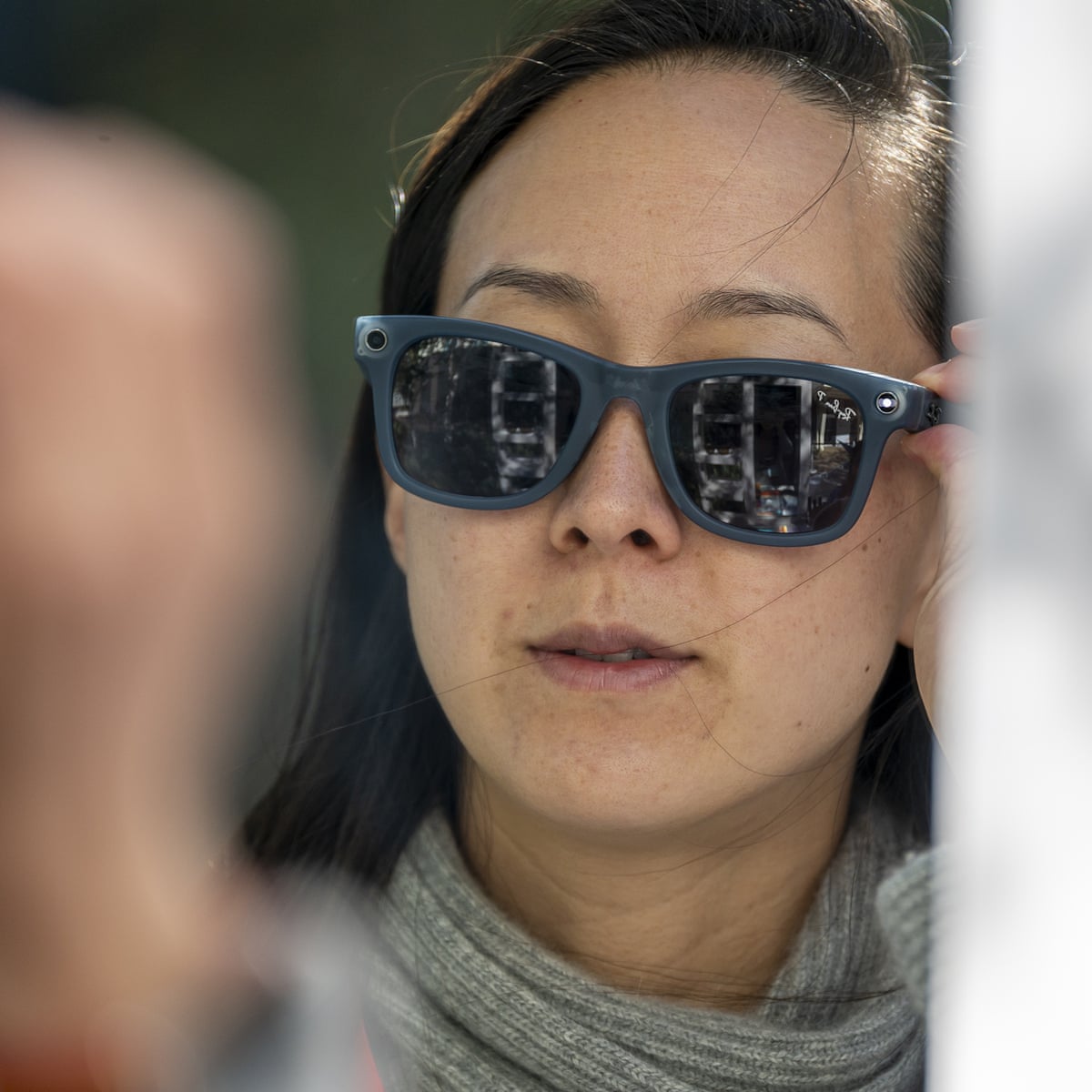
Your editorial on Meta’s smart glasses acknowledges their value to blind and visually impaired people, then asks that this “not be allowed to distract” from the harms (The Guardian view on Meta’s smart glasses: regulators must get on the front foot, 10 August). As an optometrist who owns a small independent practice, I’d suggest that it is visually impaired people who are being treated as the distraction.I was reluctant to stock Ray‑Ban Meta, having no fondness for Meta or Luxottica, but colleagues persuaded me of the benefits for people with sight impairment. The reality has surpassed that. The majority of our buyers have a visual impairment or learning difficulty. One man, practically illiterate, now has the world read to him.For many of these patients, leaving the house is already an act of courage. Unfamiliar streets, unreadable signs, the constant low-level anxiety of navigating a world built for the fully sighted. These glasses have quietly made that easier. A week of coverage branding them “pervert glasses” has now added a new anxiety: not whether they can manage the journey, but whether strangers will assume the worst of them for wearing the thing that makes it possible.A colleague of mine was recently branded a misogynist online, by another optometrist, simply for suggesting the glasses were useful. Opening a Guardian leader with a nickname worthy of a Murdoch red-top – “pervert glasses” – makes that hostility respectable.The harms you describe are real and worth regulating. But on a recent holiday I left my own pair in the hotel room, yet watched hundreds of people photographing poolside on their phones, my daughters frequently in the background, with no permission sought and no bans imposed. The glasses at least announce themselves with a recording light. Pubs, parks and beaches are indeed not film sets, but they have been full of cameras for 20 years. Regulate by all means. Just remember who ends up wearing the stigma.Aled BrassingtonRomiley, Greater Manchester Much of the coverage of Meta’s smart glasses has been dominated by the language of “spy glasses” and “predator glasses”, while disabled people’s experiences have barely featured. To its credit, your recent report recognised how useful the glasses can be for blind and disabled people (‘I’m not spying’: how Meta’s smartglasses have divided opinion, 6 August). Even so, accessibility still feels like a side issue in the wider debate around smart glasses.I have severe muscular dystrophy and cannot pick up or operate a smartphone. My Ray-Ban Meta glasses let me make calls, send WhatsApp messages, take photos and record moments by voice. I can start a video call without touching a phone. These are not gimmicks. They give me independence and help keep me connected and safe.I can’t speak for Mark Zuckerberg or defend Meta’s wider record on privacy. But I’ve met Meta developers and scientists working on accessibility. Their commitment is real. They are listening to disabled people and building features that can change lives.There are legitimate privacy concerns. Secretly filming anyone is unacceptable. Meta should improve the recording light, prevent people disabling it, act against abusive content and be clearer about data use. Regulation must keep up.But it is wrong to treat everyone wearing these glasses as suspicious, or to impose blanket bans that may exclude disabled people who rely on them for communication, information or safety. Venues can ban recording without banning the glasses themselves.Phones, doorbells, dashcams and other cameras can all be misused. The answer is to tackle misuse, not demonise a technology or the people who depend on it. Many disabled people are tired of seeing this demonisation while our voices remain absent from the debate raging around smart glasses. We should not have to choose between privacy and independence. We should insist on both.Colin HughesLondon As it happens, I am visually impaired and find smart glasses very useful. They enable me to read menus and notices and will even translate foreign notices for me. However, I consider recent moves to ban these products from certain premises to be ludicrous.There have been cases of people using smartphones for illicit purposes, for example surreptitiously filming up women’s skirts. However, nobody has dubbed smartphones “pervert phones” or sought to ban them. Some of the same premises which are now trying to do this to smart glasses also have CCTV, which films everybody without their consent, as do many cameras in our streets including doorbell cameras and dash cams.I am sure that the vast majority of smart glasses wearers use the product responsibly and would not dream of filming people without their consent. The theoretical possibility that they might do something bad is not a reason to ban the product entirely. You might as well ban the sale of kitchen knives, in case we use them to stab each other, or even cars in case we use them to run somebody over!Dr Alastair ForbesBridport, Dorset Have an opinion on anything you’ve read in the Guardian today? Please email us your letter and it will be considered for publication in our letters section.