
Remember me

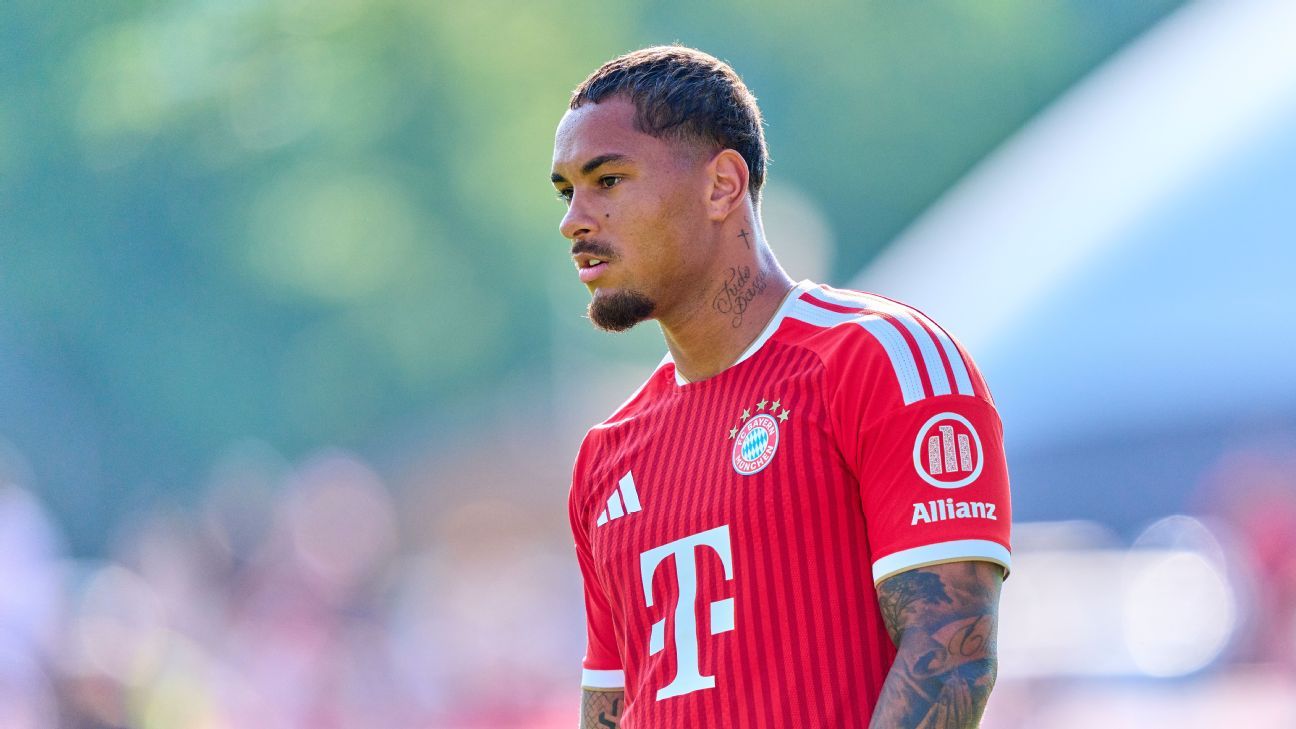
It's all change at Liverpool this summer, both on the pitch and off it.
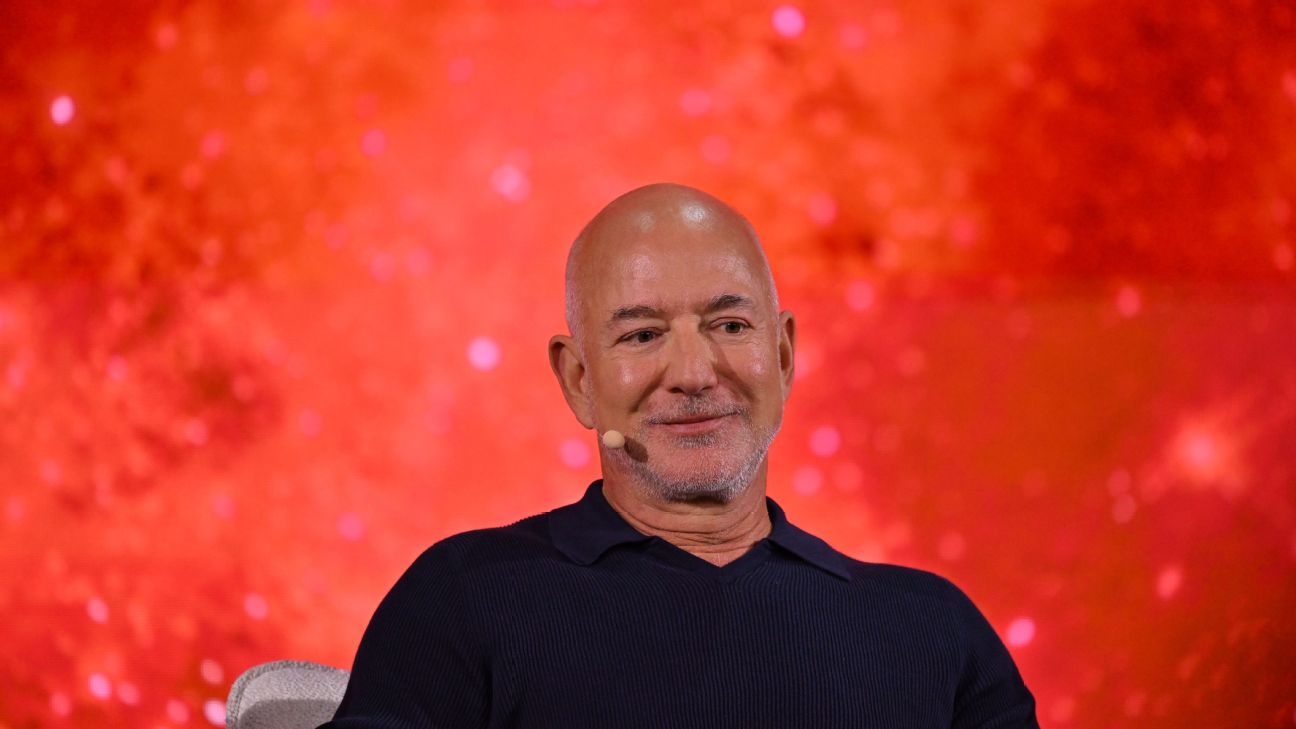
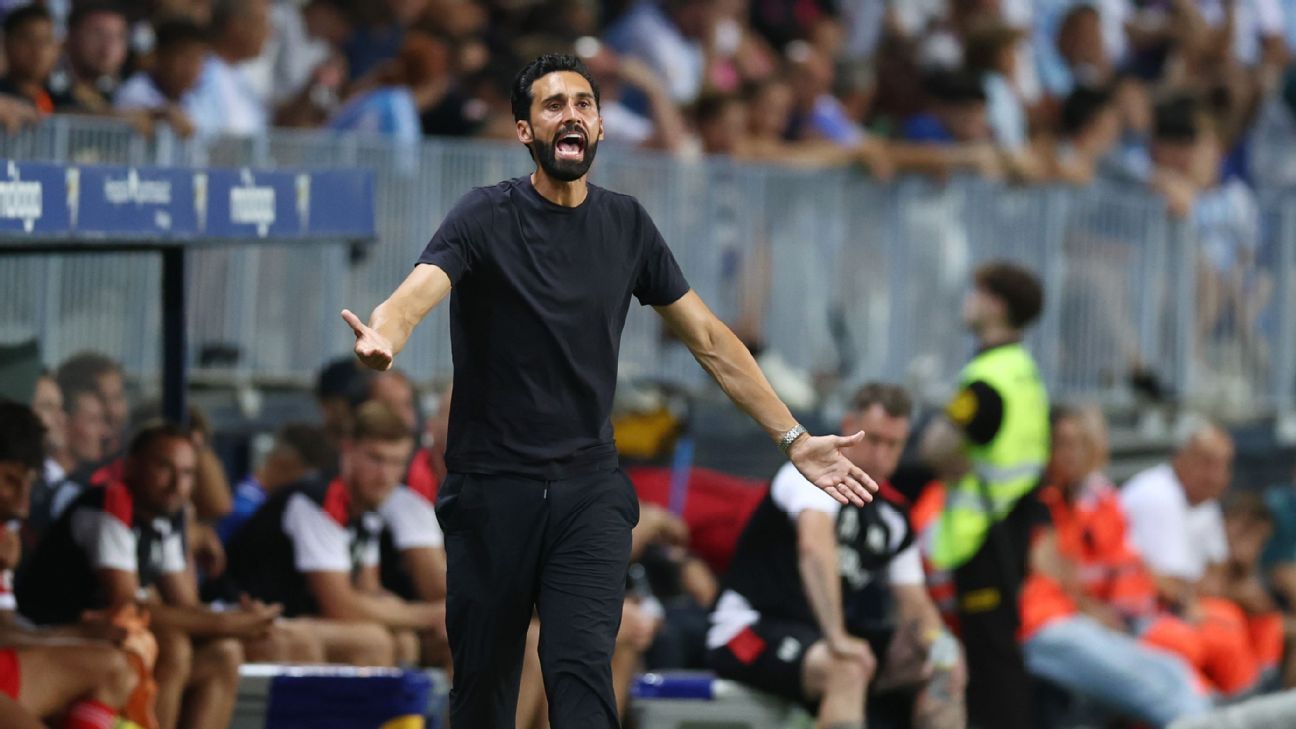
While new head coach Andoni Iraola has been charged with breathing new life into a squad that stumbled to a fifth-place finish in the Premier League last season, owners Fenway Sports Group (FSG) have been busy in the boardroom, selling a significant minority stake in the club to a consortium that includes Amazon founder Jeff Bezos.
Fronted by former Queens Park Rangers co-owner Amit Bhatia, who will also become Liverpool's new vice-chairman, 1892 Holdings has acquired an approximate 30% stake in the club.
Named after the year in which Liverpool was founded, the consortium includes investments from Bhatia himself as well as the Mittal family (led by Bhatia's father-in-law, Lakshmi Mittal), the K5 Sports Fund (led by Bezos) and EE Capital, the family office of Facebook co-founder Eduardo Saverin and his wife Elaine. Sources told ESPN the stake is worth around $1.65 billion, which takes Liverpool's overall valuation to a fee in the region of £5.5 billion ($7.45B).
Editor's Picks

It is one of the most significant deals in Premier League history and potentially paves the way for FSG to consider relinquishing its shares in the club entirely in the coming years, with reports that 1892 Holdings has an option to become the majority shareholder in the next 12 months if it chooses to. But what exactly does it mean for Liverpool? And how will investment from Bezos, the world's fourth-richest man, impact life at Anfield?
Who is involved in the consortium?While Bezos' involvement in 1892 Holdings is the most eye-catching, it is Bhatia whose influence is likely to be the most significant. The British-Indian businessman had served as director and co-owner of QPR for 18 years before he relinquished his ownership stake in the club last month.
Considering it contravenes the Football Association's rules to hold an interest in multiple clubs, Bhatia's decision to step back from QPR was telling even before news of his investment in Liverpool was confirmed on Friday. Bhatia is regarded by FSG as the primary partner in the deal, sources tell ESPN, and that it was his responsibility to assemble a group of high-profile investors.
That includes Bezos, who -- according to Forbes -- has a personal fortune of about $257B. However, the American billionaire will not sit on Liverpool's board, with his representation instead coming via K5 Global's managing partner, Bryan Baum. Notably, this is also Bezos's first venture into the world of sport, despite longtime links with investment in several North American sports franchises.
"In terms of the day-to-day running of the club, what it's been presented to me as by people familiar with the situation is that this is going to be largely passive," football finance expert and University Campus of Football Business (UCFB) academic, Dave Powell, told ESPN.
"To me, Jeff Bezos is maybe a little bit of a red herring because yes, he's going to be involved in this consortium, but how much will he be involved day-to-day? I imagine it will be minimal. This will be a financial transaction to him; that's probably the most rational way of thinking.
"Bhatia potentially could be involved a bit more than other members of the consortium because of his history with QPR. He spent the best part of two decades there so he has knowledge of the English game and all the regulatory frameworks, but this model doesn't really chime with the FSG playbook. They very much like having the right people in the right places, and they're very much a people-oriented organization, so I don't anticipate them just welcoming people in to start changing dynamics if they don't own a majority stake.
"They will be tapping into the knowledge and expertise and links this consortium has to better leverage their commercial revenues and grow the business off the field, which should in turn grow the business on the field."
The consortium also includes Brazilian entrepreneur Saverin, although it is his wife Elaine who will sit on Liverpool's board.
What does it mean for Liverpool?For weeks, sources close to the deal described the acquisition to ESPN as a "significant minority." However, the impact on Liverpool's dealings in the transfer market is likely to be pretty insignificant.
Strict financial regulations imposed by both the Premier League and UEFA mean even the richest clubs have limits on what they can spend. In 2021, the takeover of Newcastle United by a consortium led by the Saudi Public Investment Fund was expected to ensure the club would soon be rubbing shoulders with the sport's elite.
While Newcastle's fortunes have improved since their struggles under previous owner Mike Ashley, several recent setbacks in the transfer market are proof that there are limits to the change even the wealthiest of owners can enact.
All of ESPN. All in one place.
Watch your favorite events in the newly enhanced ESPN App. Learn more about what plan is right for you. Sign Up Now
"In terms of transfers, the investment won't make any material impact in terms of what Liverpool can do in the transfer market because there are regulations in place in both domestic and European football," Powell said.
"There is a squad cost ratio rule that the Premier League have brought in to try and align themselves with UEFA's own squad cost ratio rule. Liverpool will have to abide by both. They're well within the limits of that at the moment, but [the investment] won't give them huge flexibility to go out and get deals done. What it might do is give them some freely available cash to be able to possibly put more down on a deal, which sometimes helps deals get over the line.
"If you look back at the Luis Díaz deal with Porto a few years ago, one of the reasons Liverpool were able to beat Tottenham to signing him was that they were prepared to front up the cash very quickly when Porto were in need of it.
"What a move like this will do is strengthen Liverpool's balance sheet. They could use it to pay down some debt, but largely I think what it will bring is additional commercial expertise and also serious commercial links which they'd be able to leverage into commercial deals. In turn, that additional revenue can feed into transfers."
Is this the beginning of the end for FSG?Perhaps the most compelling aspect of this deal is what it means for FSG's long-term future at Liverpool. While the American conglomerate -- which bought Liverpool for £300m in 2010 after a period of financial turmoil under Tom Hicks and George Gillett -- retains majority ownership and operational control of the club, the view in some quarters is that this could mark the beginning of the end of its time at Anfield.
Iraola: Isak is going to be massive for Liverpool next season
"Liverpool has always been built by thinking beyond one season and making decisions with the club's long-term interests in mind," FSG president Mike Gordon said in a statement on Friday. "That approach continues to attract interest from respected investors and business leaders around the world.
"As we considered this opportunity, it became clear that Amit and the consortium shared our long-term philosophy and appreciation for what makes Liverpool special. Their experience and perspective will complement the strong foundation already in place, and we look forward to working together."
This is not the first time FSG has sought external investment, but it is the most meaningful. In 2022, the organization hired the investment banks Goldman Sachs and Morgan Stanley to seek out potential buyers for a 10% stake in Liverpool, though no such deal materialized. Then, in 2023, FSG sold a 3% stake in the club to American sports investment company Dynasty Equity.
While the latest investment does not signal an imminent desire to walk away from Liverpool, a lucrative exit strategy is now in place should FSG wish to step aside in the future.
"I think FSG will stick around a little while longer, but I think this is a move, which signifies the beginning of the end of their reign over a period of time, maybe on a piecemeal basis," Powell said. "This is a significant minority sale here to people who have the financial wherewithal to complete a deal further down the line.
"Say [FSG's principal owner] John Henry wants to exit in two or three years. He knows full well they will have a ready-made consortium of very wealthy people who could take on their shareholding quite comfortably. It stops the huge search that would have to be undertaken to find a majority buyer.
"I think that's probably the likely direction of travel, but I don't think that's going to be any time soon."