
Remember me
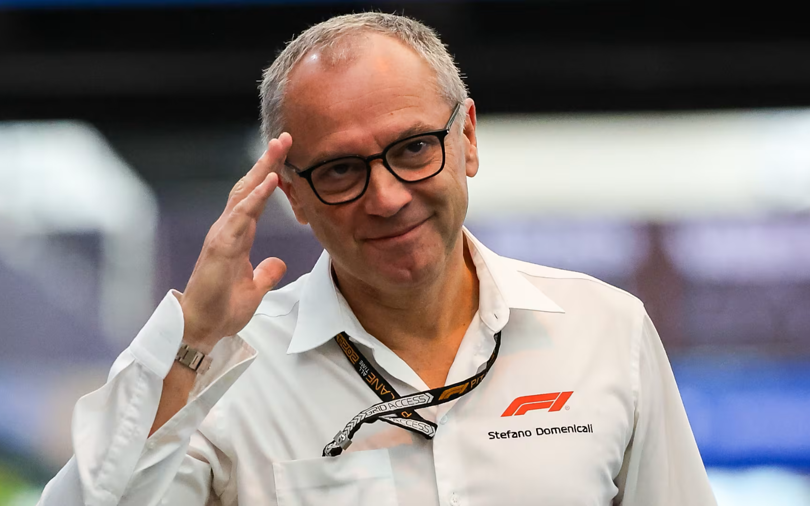
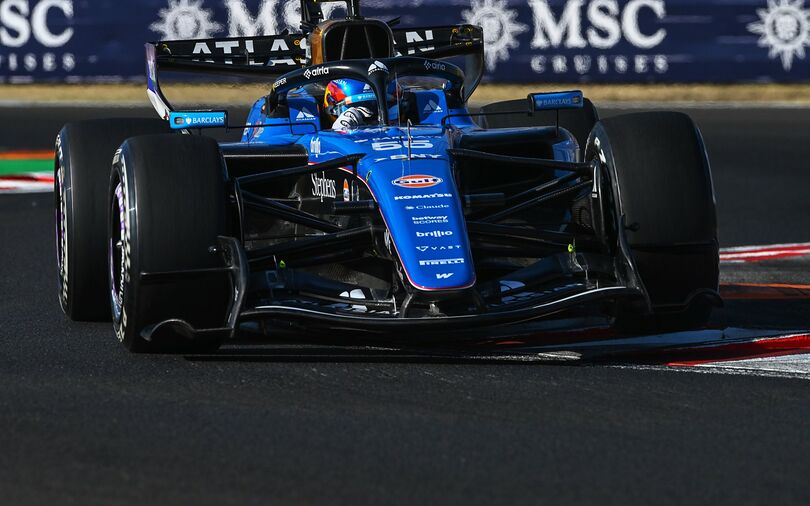
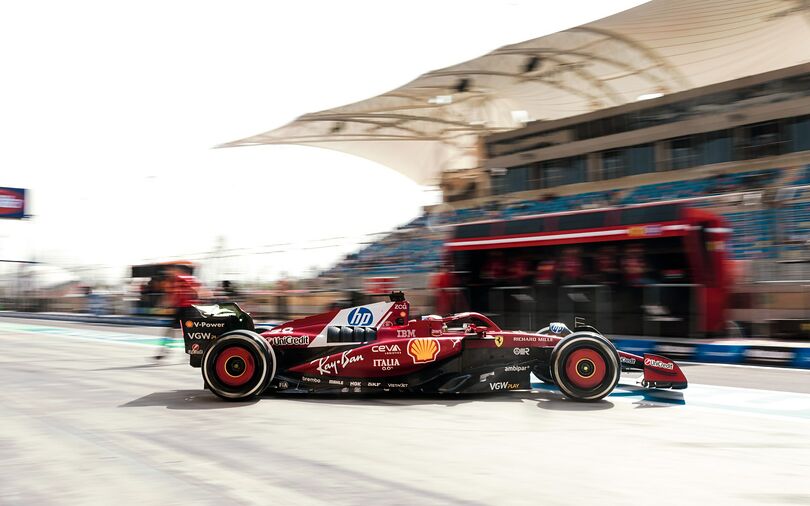
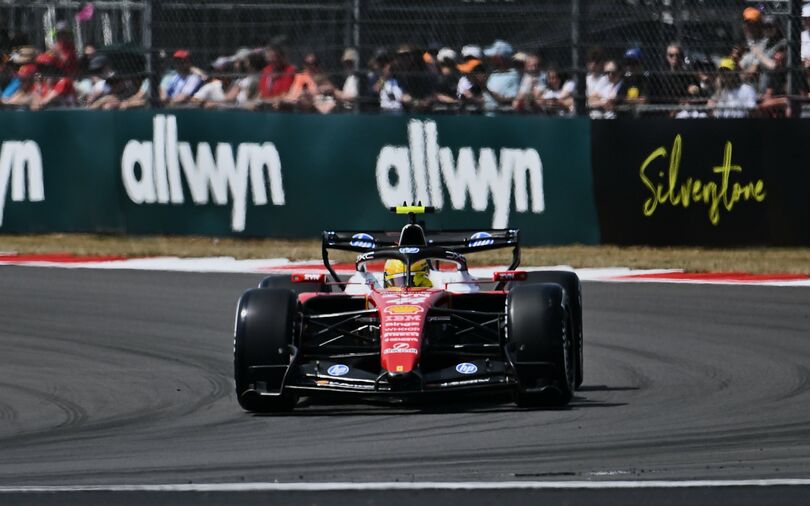
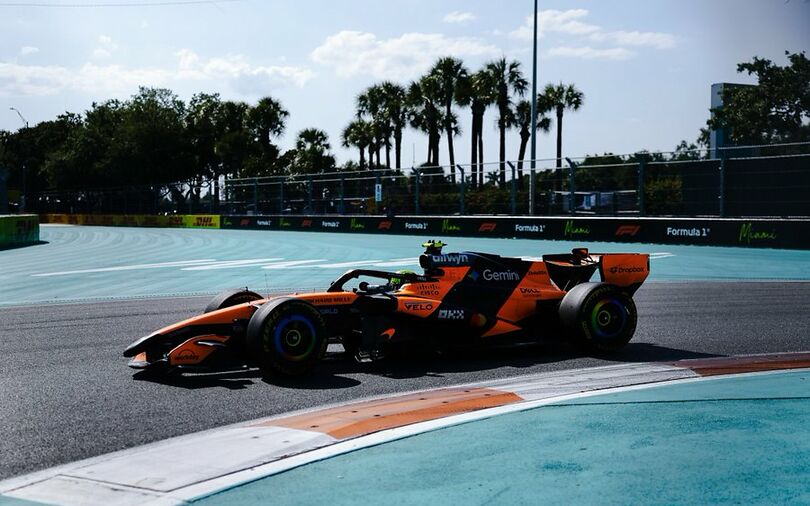
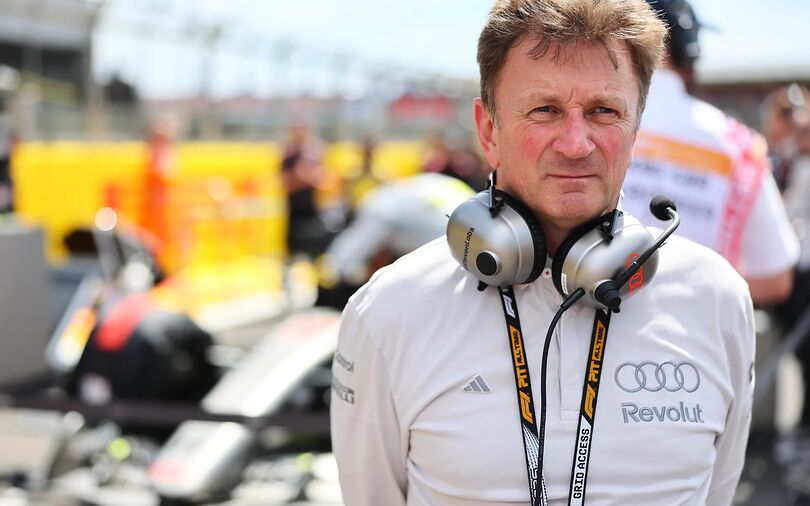
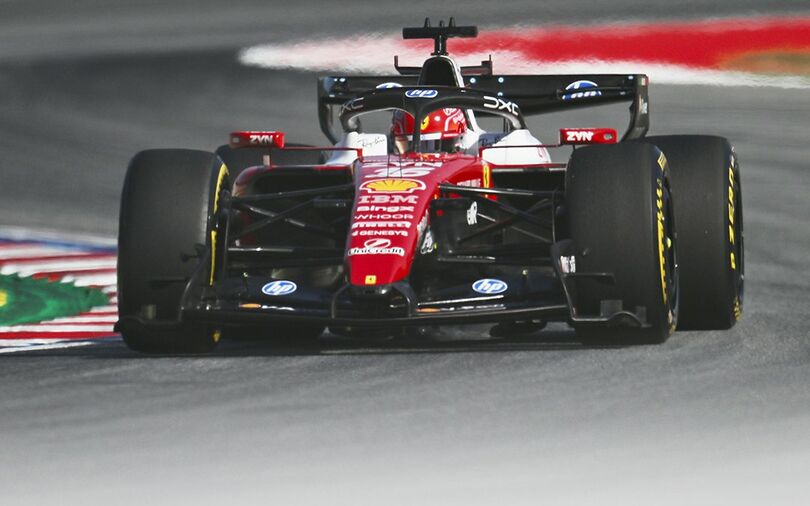

Formula 1 president and CEO Stefano Domenicali has used the summer break between the Hungarian and Dutch Grands Prix to reflect on the championship's current situation, the controversy surrounding the new 2026 power units and the future direction of the sport.
While the first season of Formula 1's new technical era has generated criticism from some drivers and teams, Domenicali believes the championship is in an exceptionally strong position commercially and that the on-track product has delivered exactly what fans want.
Looking back at the first half of the 2026 season, Domenicali was highly positive about Formula 1's current position.
"We are in a very good situation. We have the highest audience figures ever. The fans recognise the success of our measures in all areas. Practically all races are sold out. Our foundation is robust. The numbers are increasing and we are finding more and more new fans."
According to Domenicali, the next challenge is making Formula 1 easier for new audiences to understand: "Now we just need to explain our sport to them. It is about competition, technology, fun and entertainment."
The comments come during a season in which Formula 1 has continued to attract record crowds and strong digital engagement, despite the considerable technical changes introduced for 2026.
Bahrain uncertainty could reshape the season finaleDomenicali also addressed the uncertainty surrounding the final races of the 2026 calendar.
The Bahrain Grand Prix was originally scheduled to take place in the Middle East, but geopolitical developments forced Formula 1 to reconsider its plans.
The sport ultimately found a solution by bringing Malaysia back onto the calendar, with Sepang taking over the event while retaining its Bahrain Grand Prix identity.
"I am pleased that we were able to bring back Malaysia, a circuit that is part of our history," Domenicali said.
The fate of the season finale remains less certain, however. Qatar and Abu Dhabi are currently scheduled to host the final two races, but Formula 1 is monitoring the situation in the region.
"We have contacted other championships regarding the end of the season. The WEC has already decided not to race in the Gulf region this year. We will wait as long as possible and see how the situation develops."
If the situation has not become clearer by mid-September, a decision will have to be made: "If the races cannot be held, the end of the season will take place in Europe. Imola is one of the options, but nothing has been confirmed yet. We also have other possibilities."
"I hope there will be no snow. There probably isn't enough time for Pirelli to develop a winter tyre. But seriously, I think the weather in Europe will be good enough, even at the beginning of December."
Formula 1 wants 24 races in 2027Looking further ahead, Domenicali expects Formula 1 to present a conventional 2027 calendar during the autumn.
"We want to present a normal calendar in the autumn. If the situation in the Middle East has not been resolved, we have various options to change the plan. We have time until the end of the year to make adjustments."
The target remains clear: 24 Grands Prix next season: "We have the goal of holding 24 races again next year."
The expansion of Formula 1's global footprint is also continuing. After the summer break, the championship will visit Madrid for the first time, another indication of the sport's increasing commercial reach.
"A few years ago, we couldn't even have imagined that. It will be a great event with a new concept."
Domenicali defends the controversial 2026 power unitsOne of the biggest talking points of the 2026 season has been the new hybrid power units. The regulations introduced a major change to the balance between the internal combustion engine and electrical power, with the MGU-K becoming substantially more powerful while the MGU-H was removed.
The new generation has attracted criticism from several drivers, most notably Max Verstappen, who has questioned aspects of the way the cars behave and manage their electrical energy.
Domenicali, however, believes that the criticism is not representative of the wider fan reaction.
"From my point of view, the discussions are mainly taking place internally, for example among drivers or other people within our ecosystem. At the same time, a fascinating championship has developed. There is a lot of action on the track. People love it."
He also argued that many fans are not interested in the technical details behind the cars: "They don't understand the details, and they don't care about them. For example, nobody is interested in what clipping is. That is too technical."
Nevertheless, Domenicali stressed that Formula 1 must listen to its competitors and manufacturers.
"Of course, it is part of the process that the sport listens to the input of the drivers, teams and manufacturers. I believe that the changes to the regulations that have already been agreed are the right step."
He also reminded critics that the current regulations were not created without careful consideration: "We must not forget that these rules were decided five to seven years ago for a reason. They were not simply decided out of the blue."
Domenicali was also asked about criticism from drivers such as Verstappen. His response was clear: drivers should be free to express their opinions.
"We don't want to put a plaster over anyone's mouth. That is the great thing about our sport: everyone has an opinion."
However, he believes criticism needs to remain constructive: "We always have to remain constructive. We have discussions in order to find solutions.
"I respect the drivers, but they have to understand that we are taking this journey together and that the fans must always have the highest priority."
Mercedes' dominance does not mean the championship is overThe 2026 season began with Mercedes appearing to have a significant advantage over its rivals. However, the competitive picture has changed considerably as teams have developed their cars.
Domenicali believes that development race is one of the strongest aspects of Formula 1.
"The development of the cars since the first race has been phenomenal. It shows how well Formula 1 can respond to every technical challenge."
He rejected the idea that the championship had effectively been decided early in the season: "Many people said at the beginning of the season that the championship was already decided.
"That Mercedes was dominating. Game over. But that is not the truth. Until the end of the season, a lot can happen. Several teams and drivers can fight for victories. It will be a fascinating finale."
No plans to show battery levels during broadcastsOne of the most interesting comments concerned the way Formula 1 presents technical information to television viewers. Some fans have called for live battery-state information to be displayed during broadcasts, allowing viewers to better understand the energy-management battles between drivers.
Domenicali does not believe this is necessary: "I don't think so. Nobody is interested in exactly how the cars are being driven."
He pointed to a conversation with filmmaker George Lucas during the Hungarian Grand Prix as an example of how modern audiences consume Formula 1.
"I talked to George Lucas in Hungary about how fans watch races today. They are simply fascinated by the fact that there is so much action. When there are overtaking battles, nobody is interested in the throttle position or how much force is being applied to the brakes."
Domenicali specifically highlighted the battle between Max Verstappen and Lewis Hamilton in Budapest.
"When you watch the battle between Max and Lewis in Budapest, that was real art. The data behind it is only interesting to a small group of fans."
The next major regulation debate has already begunWhile the current regulations are still in their first season, discussions about the next generation of Formula 1 technical regulations are already underway.
The FIA will ultimately have the final authority over the rules, but Domenicali expects Formula 1, the teams, manufacturers, drivers and fans to play an important role in the discussions.
"The FIA always has the final word on the regulations. But the discussions also involve the teams, the manufacturers, the drivers and the fans."
Domenicali believes the next generation of cars should be relatively simple in concept: "It is important to keep things as simple as possible. There should be lighter cars, sustainable fuel and a hybrid component. The drivers should have the opportunity to drive at the limit all the time."
The current regulatory cycle is scheduled to run until 2031, but an earlier change remains possible: "I expect us to have a package put together by the end of the year.
"There are two options. If we wait until the regular end of the regulatory cycle in 2031, the FIA can write a completely new set of regulations. If we want to bring the change forward, the framework conditions need to be clarified."
Sustainable fuel remains central to F1's climate strategyAnother controversial topic is the possibility of increasing the contribution of the internal combustion engine in future regulations.
With the sport potentially considering significantly higher fuel consumption, Domenicali was asked how such a direction could be compatible with Formula 1's environmental objectives.
He insisted that the sport's broader sustainability strategy remains unchanged: "As far as our entire ecosystem is concerned, we are still on course to become carbon neutral by 2030."
Domenicali pointed out that emissions produced by the racing cars themselves represent only a small proportion of Formula 1's total carbon footprint.
"The emissions from the racing cars on the track account for only one or two per cent. And with sustainable fuel, nothing changes. We are focusing entirely on logistics, for example sustainable aviation fuel."
Formula 1's commercial growth continuesDomenicali also painted a highly positive picture of Formula 1's financial situation: "Commercially, we have never been as strong as we are now. More and more partners are joining us."
He claimed that the value of the teams has continued to rise at an unprecedented rate. According to Domenicali, Formula 1's growth is now being studied by other major sporting organisations.
"The teams are increasing in value every six months. This has never happened before in any other sport. We are a model for other major sports leagues that want to know how we achieved this."
The United States remains an important growth market, but Domenicali also sees significant potential elsewhere.
"We are closely monitoring how growth develops in the USA. Europe is becoming an important market again. The numbers are increasing here as well."
He also believes China could offer further opportunities: "In China, I also see potential to expand our involvement. We are receiving enquiries from all over the world."
Germany could be back on the F1 mapDomenicali also hinted at renewed opportunities in Germany, where Formula 1 has struggled to maintain a permanent presence since the disappearance of the German Grand Prix.
"There is, for the first time, again an opportunity to do something together with Hockenheim."
The comment could offer hope to German F1 fans who have been waiting for the country to return to the calendar. For now, however, Formula 1's immediate priorities remain the remainder of the 2026 season, the uncertain finale and preparations for 2027.