
Remember me

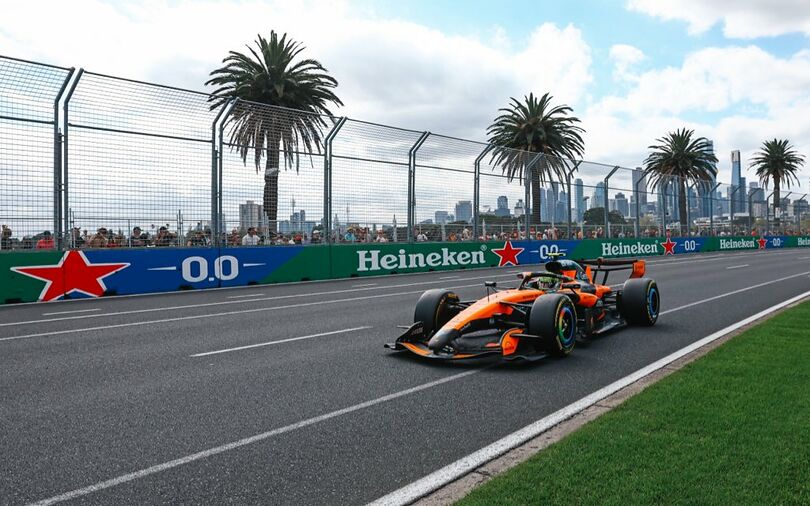
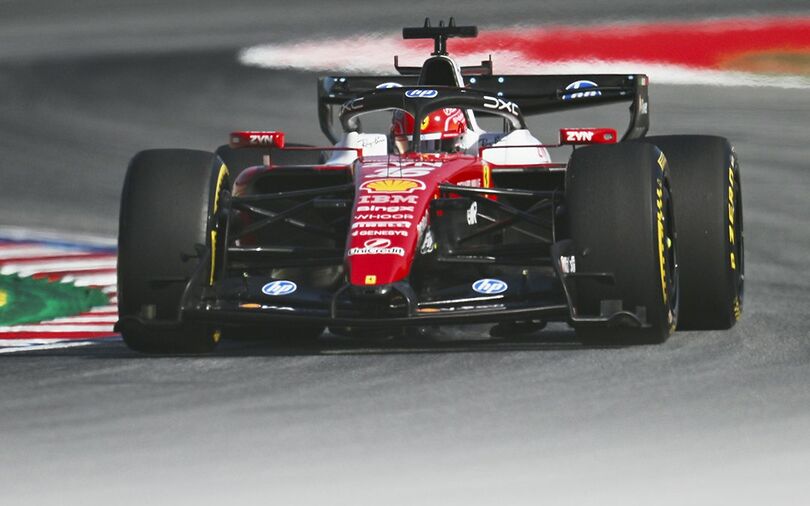
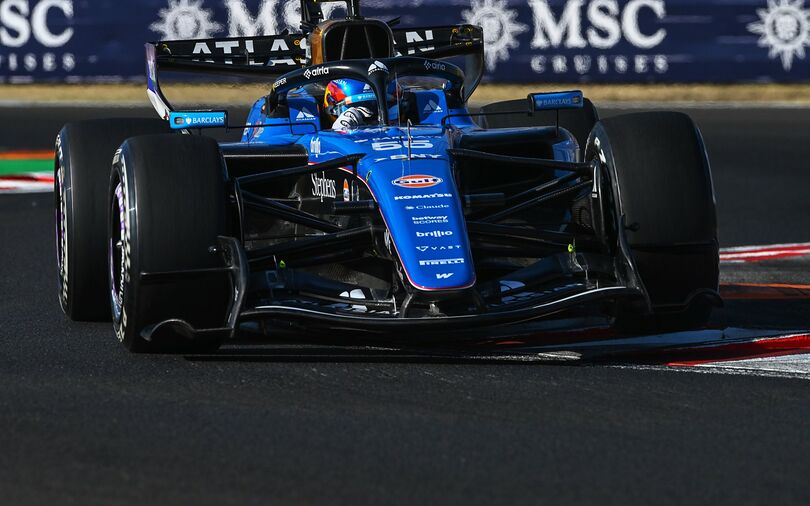


McLaren appear to join the stage when it comes to the rotating rear wing, which was first pioneered by Ferrari and then Red Bull. F1Technical's senior writer Balazs Szabo delivers his latest analysis.
McLaren has confirmed that its innovative rotating rear wing has successfully completed track validation, paving the way for a race debut later this season after encouraging results during Friday practice at the Hungarian Grand Prix.
The Woking-based squad has been one of several Formula 1 teams exploring a new generation of rotating rear wing concepts under the 2026 regulations. While Ferrari was the first to introduce the idea publicly, McLaren's solution features several notable design differences that set it apart from those developed by Ferrari and Red Bull.
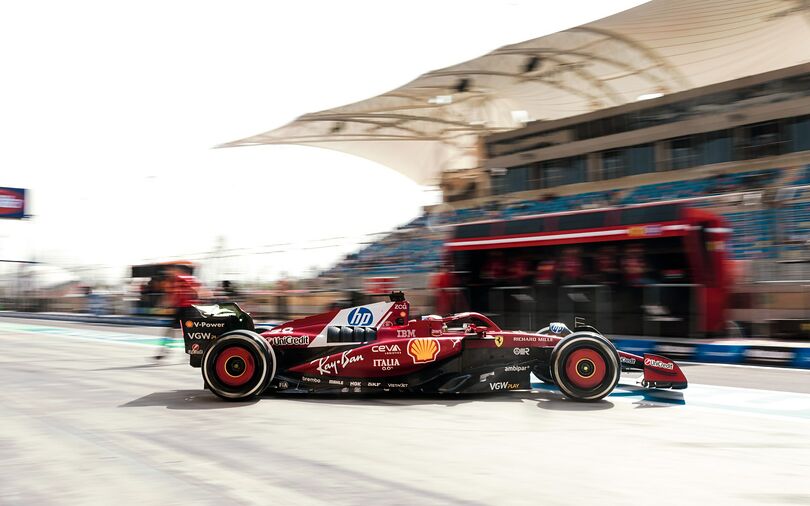
Ferrari led the wayFerrari became the first team to experiment with a rotating "flip-flop" rear wing during pre-season testing in Bahrain, where Lewis Hamilton evaluated the concept. The Scuderia also ran it during the sole practice session at the Chinese Grand Prix before temporarily shelving the design.
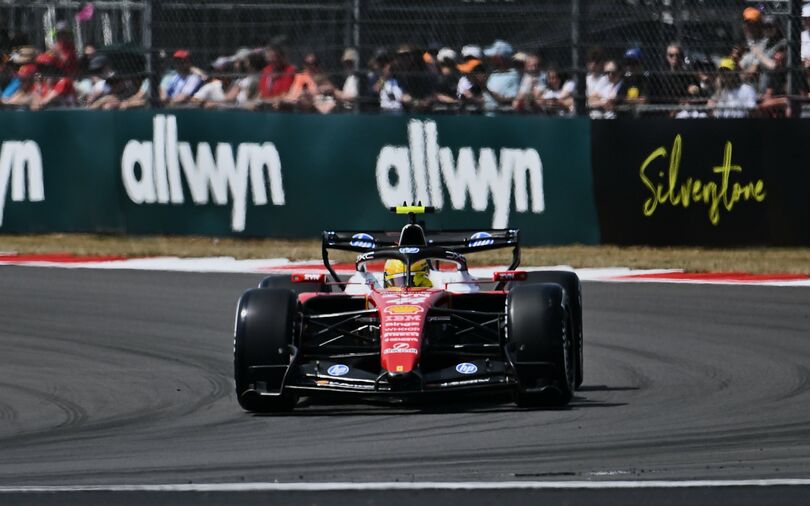
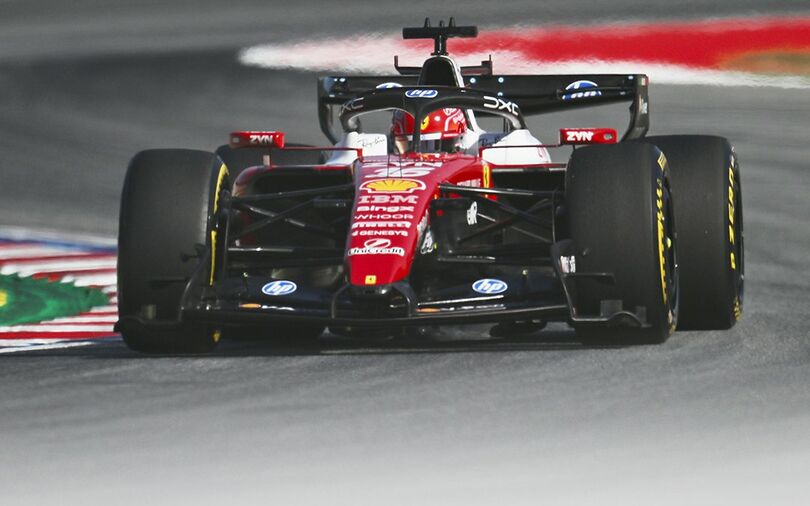
A revised version returned at the Miami Grand Prix, marking the first competitive appearance of Ferrari's innovative rear wing.
Red Bull introduced its own interpretation at the same event. However, the Milton Keynes outfit encountered reliability concerns later in the season, most notably when Max Verstappen suffered a high-speed qualifying crash at the Austrian Grand Prix and again during the closing stages of the British Grand Prix.
Those incidents prompted Red Bull to remove the wing for the Belgian Grand Prix at Spa before reintroducing an updated version one week later in Hungary.
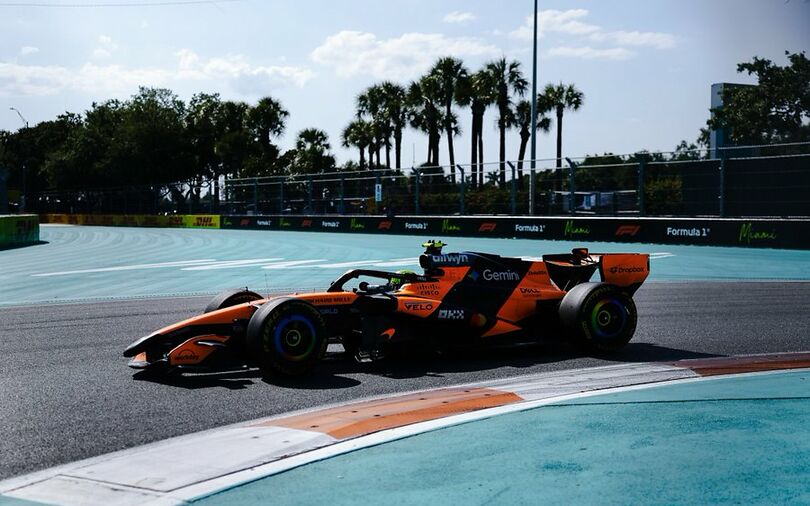
McLaren initially planned to debut its own rotating wing in Austria, but the team removed the assembly before it reached the circuit after concluding that further development was required to guarantee its safety. Instead, the latest specification finally appeared during Friday running at the Hungaroring, with the team now expected to introduce it in racing conditions at Monza.
Stella: track testing was essentialMcLaren Team Principal Andrea Stella admitted that the project had been one of the most technically demanding aerodynamic developments the team has undertaken.
"It's been a complicated project, which was no surprise," Stella told PlanetF1.com.
The Italian explained that the data gathered during the Hungarian Grand Prix weekend gave the engineers the confidence needed to approve the concept for future races.
"It's been a positive sign-off of this concept, and we look forward now to introducing this concept at some future events," he confirmed. "It was important for us to acquire data via trackside because you would have never relied on a wind tunnel only for such a delicate project."
Different philosophy to FerrariAlthough all three leading teams have pursued the innovative, rotating, 'flip-flop' rear wing concepts, their engineering solutions differ considerably.
The most obvious distinction lies in the direction of rotation. Ferrari's upper flap rotates forwards during activation, whereas both McLaren and Red Bull employ a backward-rolling movement.
Another significant difference concerns the hydraulic actuator. Ferrari has integrated the actuator mechanism into the rear wing endplates, creating a particularly clean central section. McLaren and Red Bull, by contrast, retain a conventional centrally mounted actuator.
McLaren's unique engineering solutionDespite sharing the same overall direction of movement as Red Bull, McLaren has adopted a fundamentally different mechanical layout.
One of the cleverest aspects of the McLaren design is that the outer edges of the upper flap remain close to the endplates throughout deployment. Rather than lifting the wing tips away from the endplates, the flap rotates while maintaining minimal clearance.
This significantly limits the turbulence generated around the exposed outer corners of the wing—an aerodynamic penalty that becomes more pronounced when larger gaps open between the flap and the endplates.
Red Bull achieves its rotation through a far more complex arrangement of lateral pivots that themselves rotate as the wing deploys, causing the outer sections of the flap to rise much higher.
McLaren instead uses two relatively conventional free-moving pivot elements positioned at either end of the upper flap. These allow the movable element to rotate while following the motion generated by the hydraulic actuator, all while keeping the wing tips tightly aligned with the endplates.
The central actuator also represents a major departure from Red Bull's solution.
Where Red Bull employs a rigid metallic structure that directly connects the actuator to the rotating wing pivot, McLaren has developed an articulated mechanism consisting of three interconnected links joined by pivot pins. This linkage allows the assembly to tilt and rotate simultaneously during activation.
The result is a much more compact movement. Whereas Red Bull's upper flap rises significantly when activated, McLaren's flap remains noticeably lower throughout its operating range.
By limiting the vertical displacement while preserving the required rotation, McLaren appears to have found an elegant solution that could reduce drag without generating unnecessary airflow disruption.
Following the successful evaluation at the Hungaroring, all indications suggest McLaren's sophisticated rotating rear wing will finally make its competitive debut at the Italian Grand Prix, where Monza's long straights should provide the perfect environment to exploit its potential advantages.