Russia Rejects ‘Freeze’ in Ukraine War Without Putin’s Demands Being Met
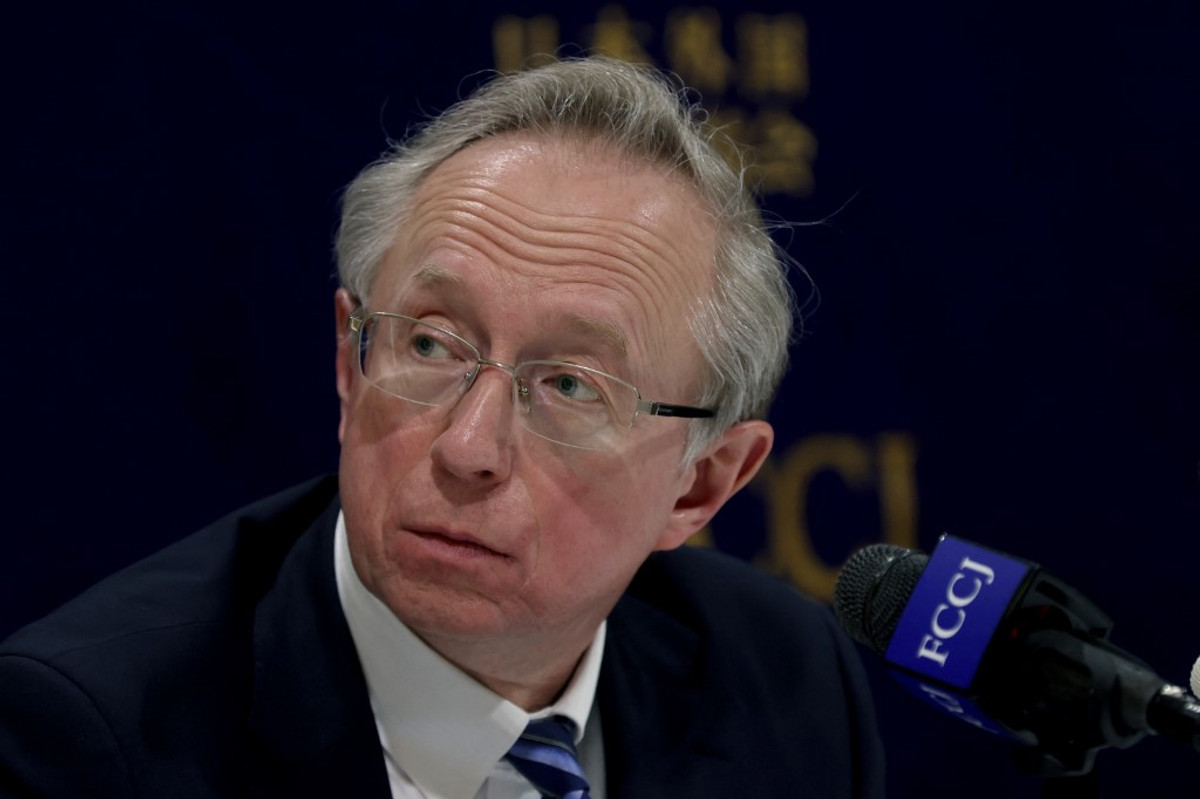
Russia will not agree to a “freeze” in its war against Ukraine unless what Moscow calls the conflict’s “root causes” are addressed, Russian Deputy Foreign Minister Mikhail Galuzin said. “As Russian President Vladimir Putin has repeatedly said, no ‘freeze’ is possible without eliminating the root causes of this crisis,” Galuzin told the state-run TASS news agency.JOIN US ON TELEGRAMFollow our coverage of the war on the @Kyivpost_official. The comments suggest Moscow remains unwilling to support a simple halt in fighting without securing its broader political and territorial demands. Galuzin also accused President Volodymyr Zelensky of having “completely lost touch with reality” and “trying to escalate the conflict.” His remarks came as Moscow continued to criticize Ukrainian strikes against targets inside Russia, including energy infrastructure and facilities linked to the Caspian Pipeline Consortium (CPC). Galuzin called the strikes “terrorist” attacks and urged the international community to respond, specifically pointing to the US and European countries whose energy companies are shareholders in the CPC. He also criticized continued US military and intelligence support for Ukraine, calling Washington’s approach “contradictory.” “The continued supply of American weapons to the Kyiv regime, the provision of intelligence and other assistance speak for themselves,” Galuzin said, arguing that such support was incompatible with efforts to achieve peace.
Other Topics of Interest
ISW Russian Offensive Campaign Assessment, August 9, 2026
War in Ukraine - Latest update, key takeaways and map from the Institute for the Study of War on August 9, 2026
Galuzin pointed to recent remarks by US Secretary of State Marco Rubio that Washington is not an “impartial mediator,” saying Moscow was raising the issue during ongoing contacts with the United States. Despite its rejection of a freeze, Moscow continues to claim it is open to diplomacy. Galuzin said Russia was ready to pursue its objectives while taking into account the “Anchorage understandings” and argued that a diplomatic settlement remains possible if there is sufficient political will. But other recent statements from senior Russian officials have underscored how far Moscow remains from accepting a straightforward ceasefire. Russian foreign ministry special envoy Rodion Miroshnik recently said Russia should prepare for the war to continue for a long time, arguing that an end to the fighting is unlikely in the near future. Russian Foreign Minister Sergey Lavrov also said in June that Moscow will not agree to halt fighting along the current front line as a precondition for peace negotiations with Ukraine, arguing that Russia had already been “deceived” once during failed talks in 2022. As part of a potential peace agreement, Kyiv has repeatedly proposed freezing the conflict along current front lines. Russian President Vladimir Putin has instead insisted that any settlement would require Ukraine to surrender the entire Donetsk region, including areas Russian forces have failed to seize despite more than a decade of fighting. Zelensky has repeatedly pushed for direct talks with Putin, including in an open letter on June 4 calling for a face-to-face meeting and an invitation to meet on the sidelines of the G7 summit to discuss ending the war. Putin dismissed the idea of immediate talks, saying at the St. Petersburg International Economic Forum that such a meeting was “pointless.”