
Remember me
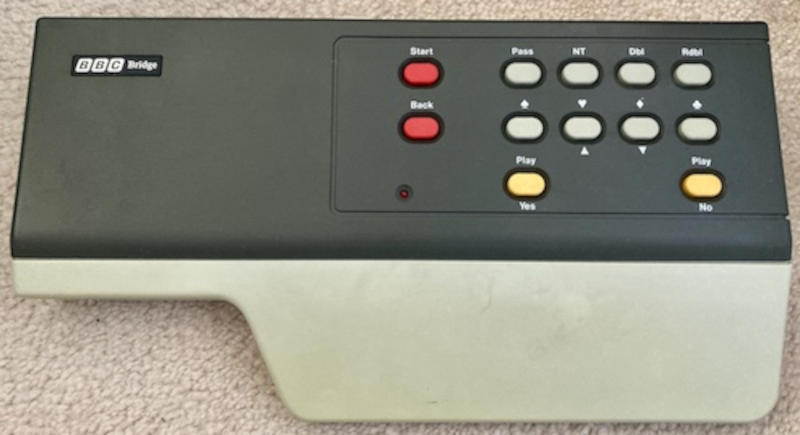
[Leaded Solder] took on an interesting challenge. The BBC, apparently, produced a game console known as the BBC Bridge Companion that connected to your TV and helped you learn to play Bridge back in 1985. At £200, we doubt many were sold new, but there were nine ROM cartridges available, presumably at an additional cost. [Leaded Solder] doesn’t care about playing bridge, but decided to teach the computer itself to play Tetris.
Inside is what you might expect for 1985. A Z80 and TI video chip, although naturally enough, it is the PAL variant. With 16K of VRAM the machine would have been very capable for its day. Unlike some game systems, the Bridge Companion runs its own code before launching what’s on the ROM cartridge. That required a few evenings of reverse engineering to figure out the correct header. Meanwhile, the surplus real hardware needed a quick repair on its cartridge slot before he could test it with real metal.
There were more hurdles, including adapting the PAL output for a composite monitor. Don’t miss the second part of the series for more technical details, and we’ll be interested in following the posts to their conclusion later this month.
Oddly enough, we think this is the first time the BBC Bridge Companion has made an appearance on Hackaday. However, we’ve had no shortage of card shufflers.


