Steven Bartlett is top of the pods: Here’s how the UK’s most annoying man won the internet
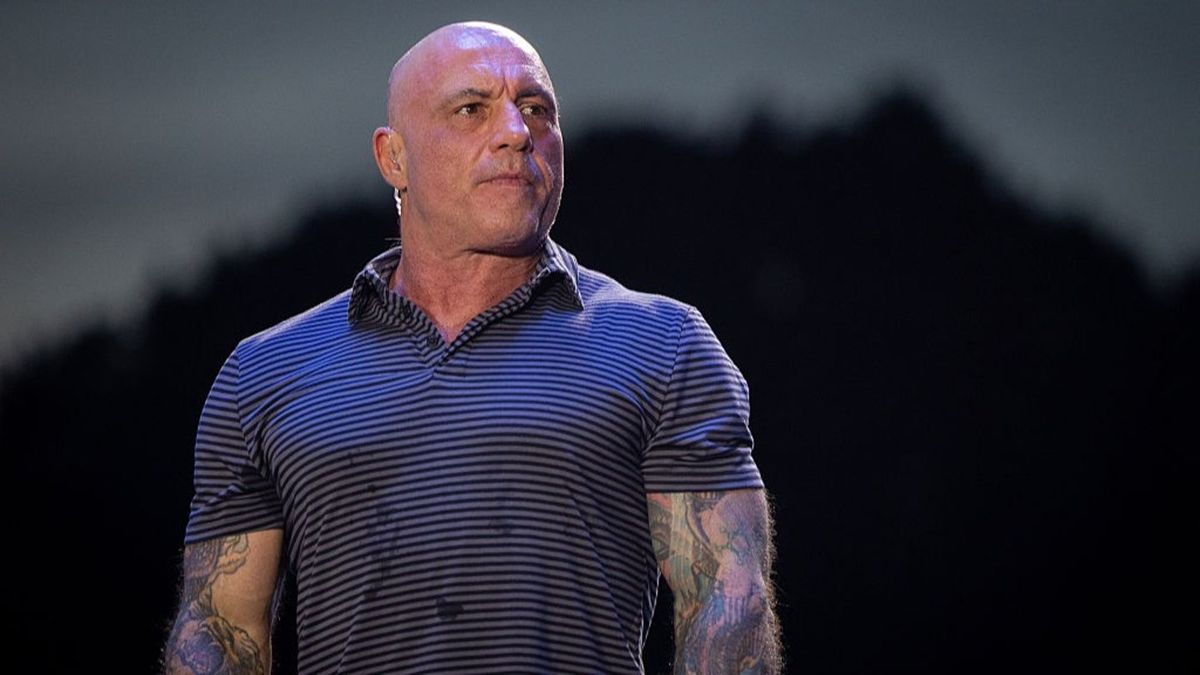
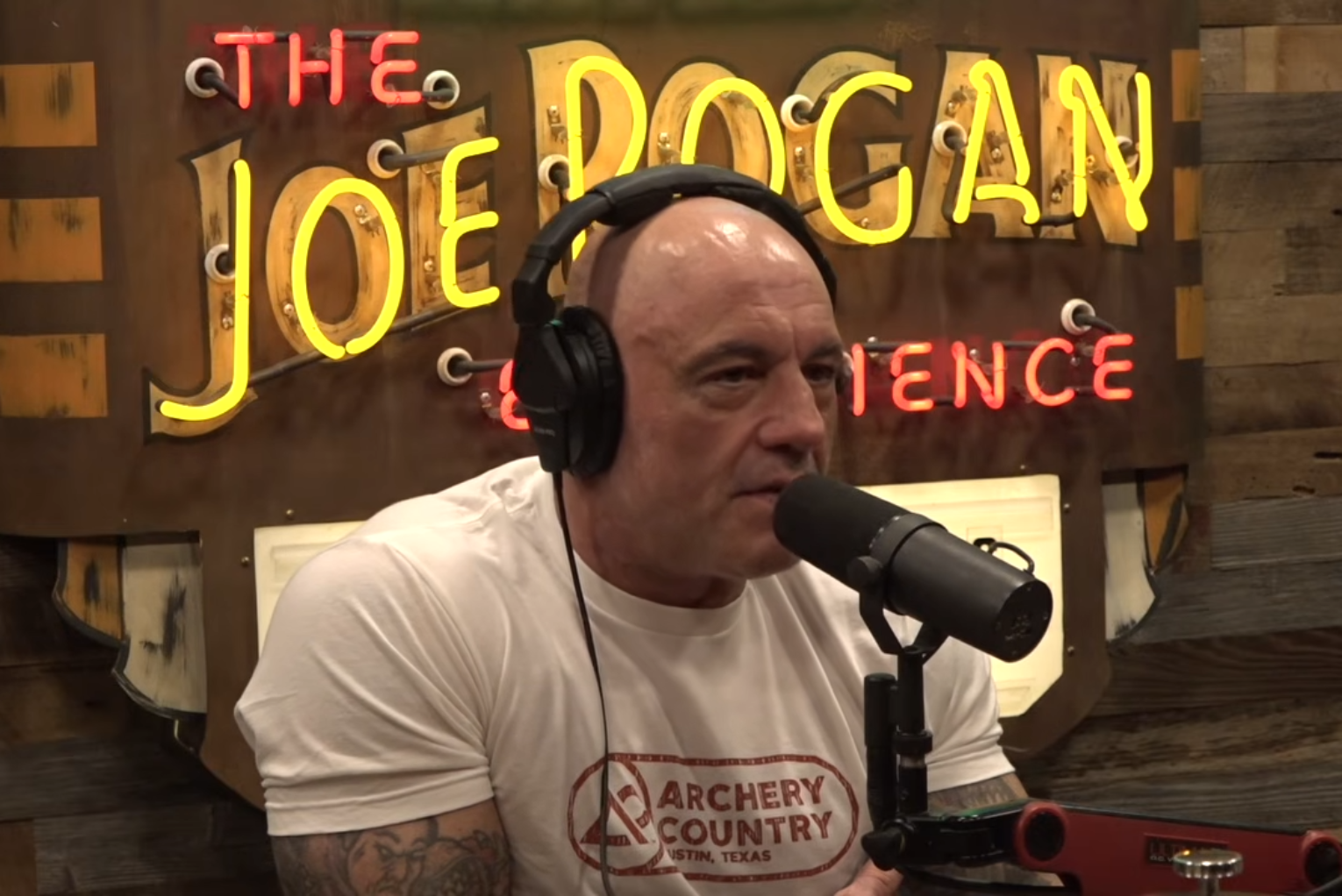
Earlier this year, Steven Bartlett drank a couple of glasses of wine – and made headlines around the world. Man knocks back a few bevs – it’s not exactly a particularly unique story. But what got people riled up was Bartlett’s outsized (over)reaction. The multi-millionaire host of The Diary of a CEO (DOAC) podcast, Dragon’s Den investor and former university dropout claimed that those wines “ruined three days of my life because of the domino effect it caused”. He didn’t sleep well that night. He slipped up with his diet the next day. And – may the Lord have mercy upon his soul – he also “podcasted worse” and “didn’t go to the gym the day after”. He could, of course, track all of this on his Whoop wristband, which provides him with access to datapoints on almost every aspect of his physical health. For Bartlett’s detractors, all this hand-wringing seemed to sum up everything easy to mock about the entrepreneur and self-optimiser par excellence. To them, Bartlett and his podcast – typically among the most popular shows in the UK in the Spotify and Apple charts – are emblematic of a joyless, analytics-obsessed approach to life, whereby life becomes measured by a series of key performance indicators, and a few glasses of wine with friends have the capacity to irrevocably knock you off your “A” game.Bartlett is on course to knock Joe Rogan off the YouTube top spot, according to recent stats (Getty)And yet while the DOAC’s grindset credo may be very easy to mock, with Bartlett tiptoeing closer and closer into the territory of self-parody with every episode, it is also undeniably a runaway success. Back in 2024, the show became the first British-made podcast to reach the milestone of 1 billion views and listens; that’s a lot of people clearly hanging on Bartlett’s every softly-spoken word. He may be one of the most polarising figures on the internet, but in the nine years since his show launched, he has certainly fine-tuned a staggeringly successful strategy for riding out the attention economy, for better or worse. And now it seems that Bartlett could be on course to knock Joe Rogan, the world’s most successful podcaster, off his YouTube throne. Between March and June of this year, DOAC drew 308 million views on the platform, according to the social media reporting platform Social Blade, compared to The Joe Rogan Experience’s 148 million. This does not count Spotify figures, but still represents a major achievement for Bartlett. And during that same period, he picked up 2.8 million subscribers, bringing his total up to 18.5 million – still a way off Rogan’s total of 21 million, but the American’s subscriber growth was relatively flat in comparison. Clearly those few glasses of wine can’t have thrown his podcasting game too far off course.What is striking is that while Rogan explicitly presents himself as something of an anti-establishment contrarian with “anti-woke” views, Bartlett positions himself as a more emotionally evolved figure, someone who nods thoughtfully and deploys therapy-speak as his guests unpack past traumas (which can then be distilled into attention-grabbing soundbites trailed on short-form social media content). Steven Bartlett is catching up with major podcast success story Joe Rogan (The Joe Rogan Experience/YouTube)But as the show’s profile and popularity have grown, and its remit has expanded well beyond its initial focus on business advice and entrepreneurial soundbites, Bartlett has attracted some more serious criticism than just wine-related mockery. In 2024, the show was criticised for providing a platform for “harmful health misinformation” by the BBC World Service’s Global Disinformation Unit. In 2024, their investigation analysed 23 health-related DOAC episodes, and found 15 contained an average of 14 claims that “went against extensive scientific evidence”. At the time, Bartlett’s company Flight Story said that the show “offers guests freedom of expression and believes that progress, growth and learning comes from hearing a range of voices, not just those Steven and the DOAC team necessarily agree with”. Last year, Flight Story hired a medical PhD graduate whose job is to fact-check interviews, and video episodes now feature clarification notes on-screen.But debate over the podcast, and the figures that Bartlett opts to platform, has continued to rage. A late 2025 episode with fellow podcaster Chris Williamson attracted some censure for its discussion of the global decline in birth rate. During the interview, Williamson referenced so-called “anti-family” sentiment among modern women as a potential cause – a red flag for some listeners. Bartlett did not challenge his interviewee on those views.Bartlett’s podcast studio is carefully set up to get the best from his guests (The Diary of a CEO/YouTube)And so far in 2026, Bartlett has sat down with Donald Trump’s daughter Ivanka and the US’s vice president JD Vance (earlier this year, a spokesperson told The Independent that the podcast “features guests from across the entire political and cultural spectrum”, noting that Bartlett has also interviewed the likes of Michelle Obama and Kamala Harris). Bartlett, it seems, has realised that, in a world of depleted attention spans, controversy and outrage can prove powerful. You have to wonder whether sometimes he is cleverly playing up to a particular persona in order to get everyone talking about him; after all, those two wines got him plenty of free publicity, even if much of it was scathing. But when it comes to the show, he is also deeply strategic. DOAC has come a very long way since Bartlett recorded it in his bedroom using a microphone ordered from Amazon, placing a duvet over his head to try and muffle external noise, while sharing nuggets of wisdom gleaned from his stint at the head of social media marketing agency Social Chain. Indeed, he is now a stickler for the sort of details that the rest of us sub-optimally optimised folk would never even consider. The levels of carbon dioxide in his podcast studio are carefully monitored to ensure that they are below 1,000 parts per million, apparently to ensure that both interviewer and interviewee can sustain their peak cognitive function. “I remember having a conversation with a breath expert; he pulled out his CO2 monitor and hid it on the table and goes ‘we’re at 1,500 parts per million,’” Bartlett told the Podcast Business Journal in 2024. “‘So our performance in this interview right now is gonna dip significantly.’”All Bartlett’s guests receive a photo book featuring time-stamped words of wisdom from their chat, presumably if they ever want to quote… themselvesThe cameras that capture the emotional highs and lows of a Bartlett interview are also carefully positioned so as not to be too obvious to his guests – who are, in turn, more likely to open up authentically if they can temporarily forget about the fact that everything they’re saying is being recorded for posterity in high resolution. “Although there are nine cameras, you can’t see the cameras and also you can’t see anybody else,” Bartlett told The Hollywood Reporter last year. “So what it feels like, especially ’cause you walk into a space and there’s a carpet under your feet and I’ve got my shoes off, it feels like you’re at home, and you’re at home with just me.” Guests, according to former interviewee Richard Osman, are chauffeured to the studio in a car decked out with “SB” monograms; once they reach their destination, they will be greeted with a playlist that has been especially formulated to suit their music tastes, even harking back to their early days. “The music when you arrive into the studio is a big one, tailoring it to what we know about you and songs that make you feel comfortable and that take you back to your childhood,” Bartlett has said. Throw in the podcaster’s obsession with eye contact (guests are positioned so that Bartlett can gaze into their eyes and, presumably, straight into their soul), his aforementioned fondness for filming barefoot and his soft, gently probing interview style and you have the perfect set-up for a sort of performative intimacy that often results in candid revelations from guests. All of these can then be teased, movie style, in vaguely grandiose trailers shared on Bartlett’s social media accounts. And to add to the general sense of ego-massaging, once their interview has wrapped, all of Bartlett’s guests receive a photo book featuring images and time-stamped words of wisdom from their chat, presumably for ease of reference should said guest ever want to quote… themselves. Think of it as the red This Is Your Life book, but for the age of self-obsession – whether the idea of such an object sounds like a dream or absolute nightmare fuel will probably depend on your fondness for self-help platitudes and Bartlett’s personal brand of hustle culture. But whatever your feelings about this self-styled “happy, sexy millionaire”, as he describes himself in the title of his 2021 book, and the wider impact of his show, it’s hard to deny the fact that his obsession with the tiniest of details seems to have paid off – and captured millions of eyes and ears.