
Remember me

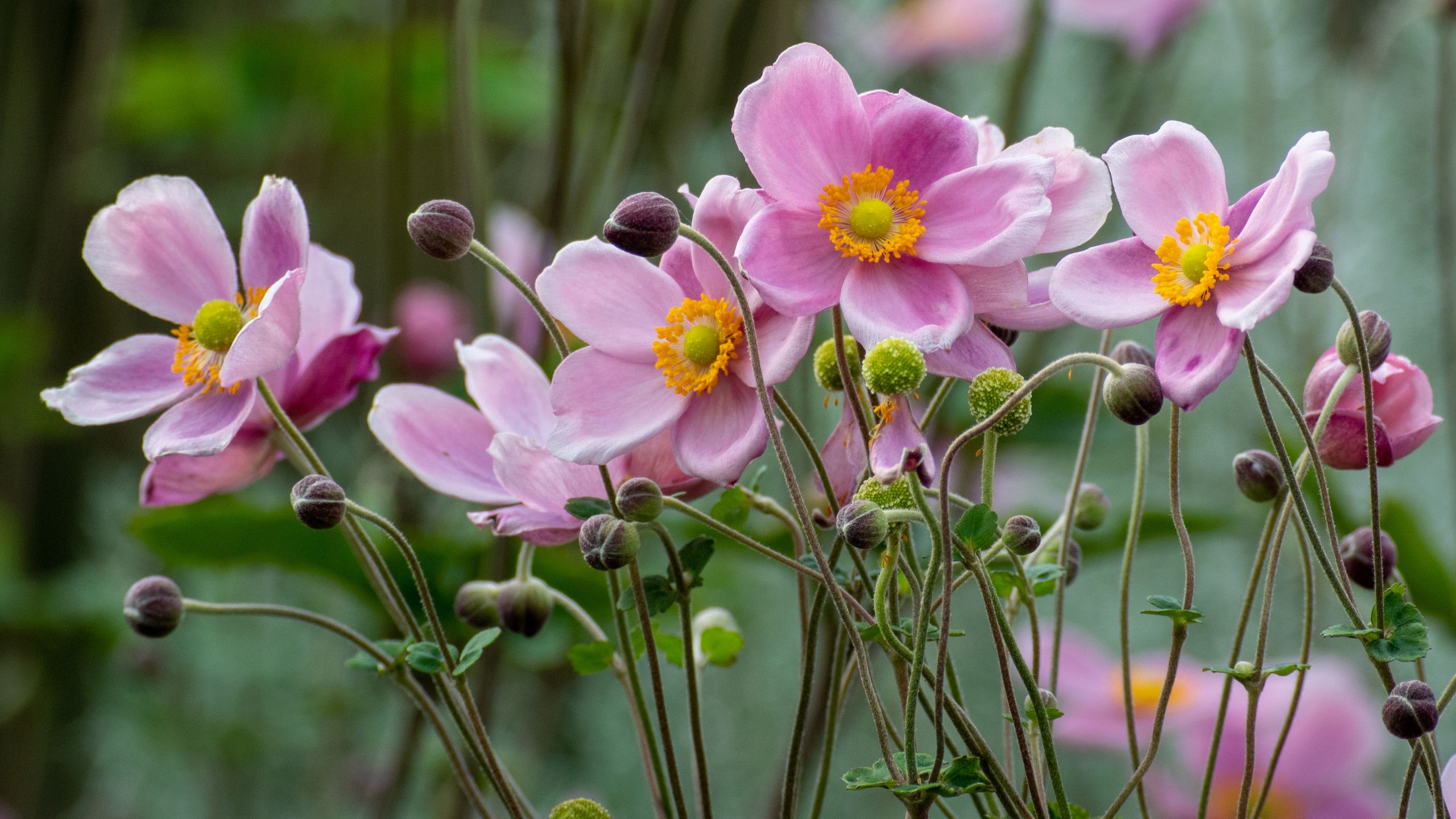





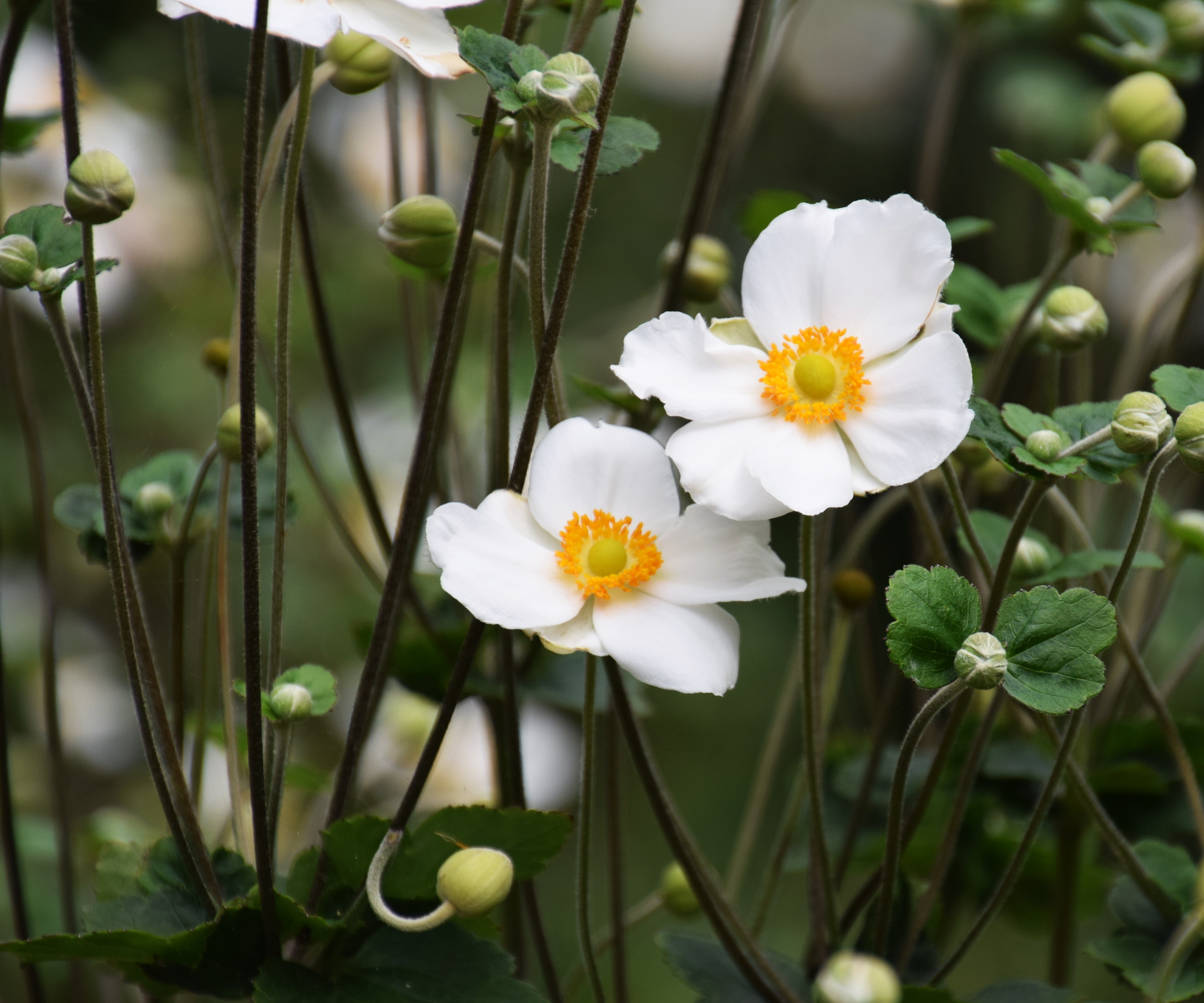
By mid-August, many summer plants have reached their peak and are beginning to fade. It can leave your garden looking pretty colorless and bare by the time September rolls around. But, there's one plant you can grow to extend the season with dreamy blooms: Japanese anemones.
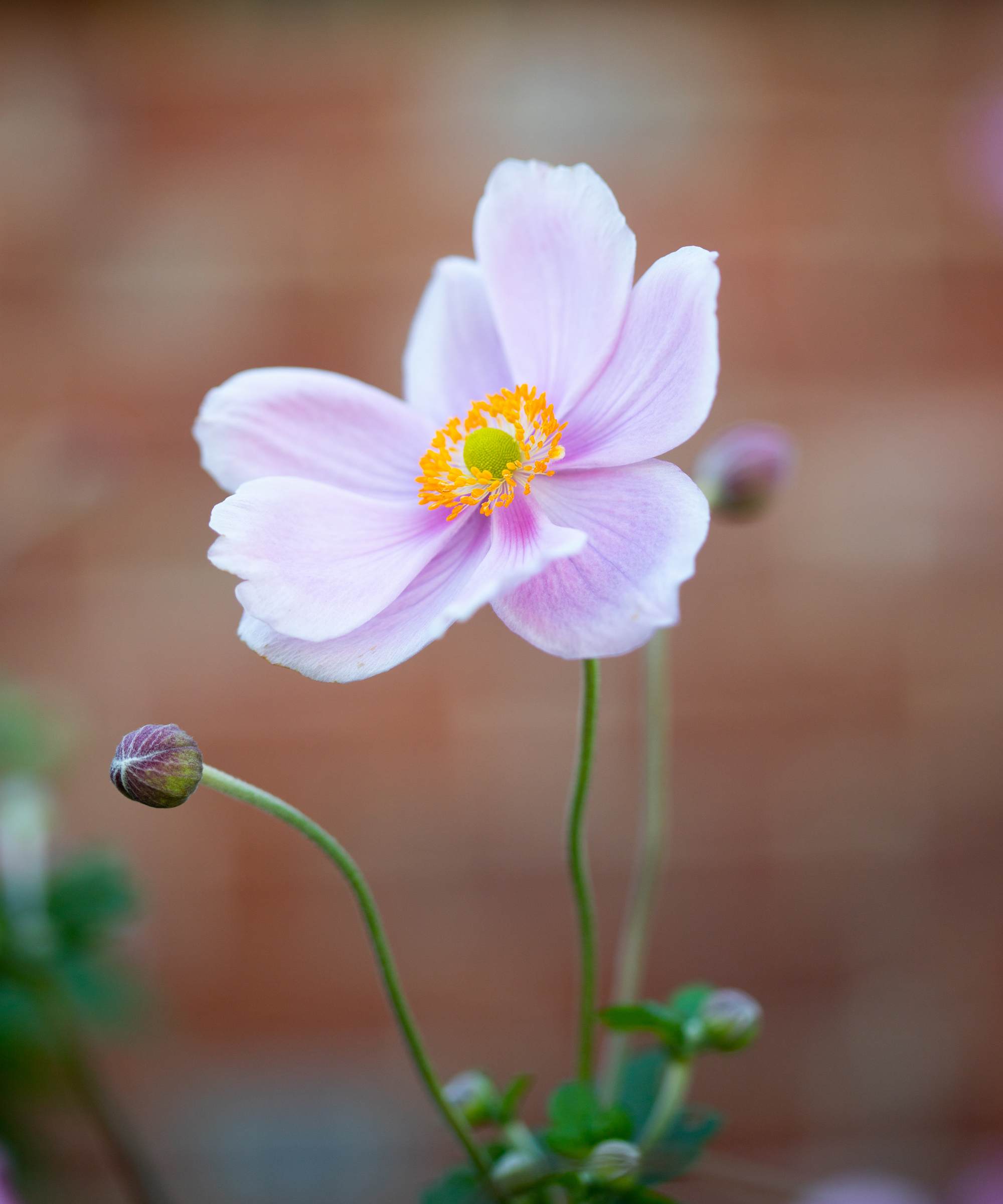
'Japanese anemones showcase large, semi-double flowers on branching stems from late August through October, bringing fresh vitality right as early summer flowers begin to fade,' says Plantum plant expert Marina Prokaten. They also bring towering height, ranging from 2-5 ft, making them ideal for the backs of borders.
Plus, Japanese anemone (which you can order from Plant Addicts) is a great plant for fall pollinators, as it fills the 'nectar gap' where sources are limited. Though it's important to note there is some minimal maintenance required to keep these blooms looking their best into fall. Here, Marina explains why this is the one plant to grow if your borders look empty in September.
Why Grow Japanese Anemone in September?
(Image credit: Getty Images/undefined undefined)
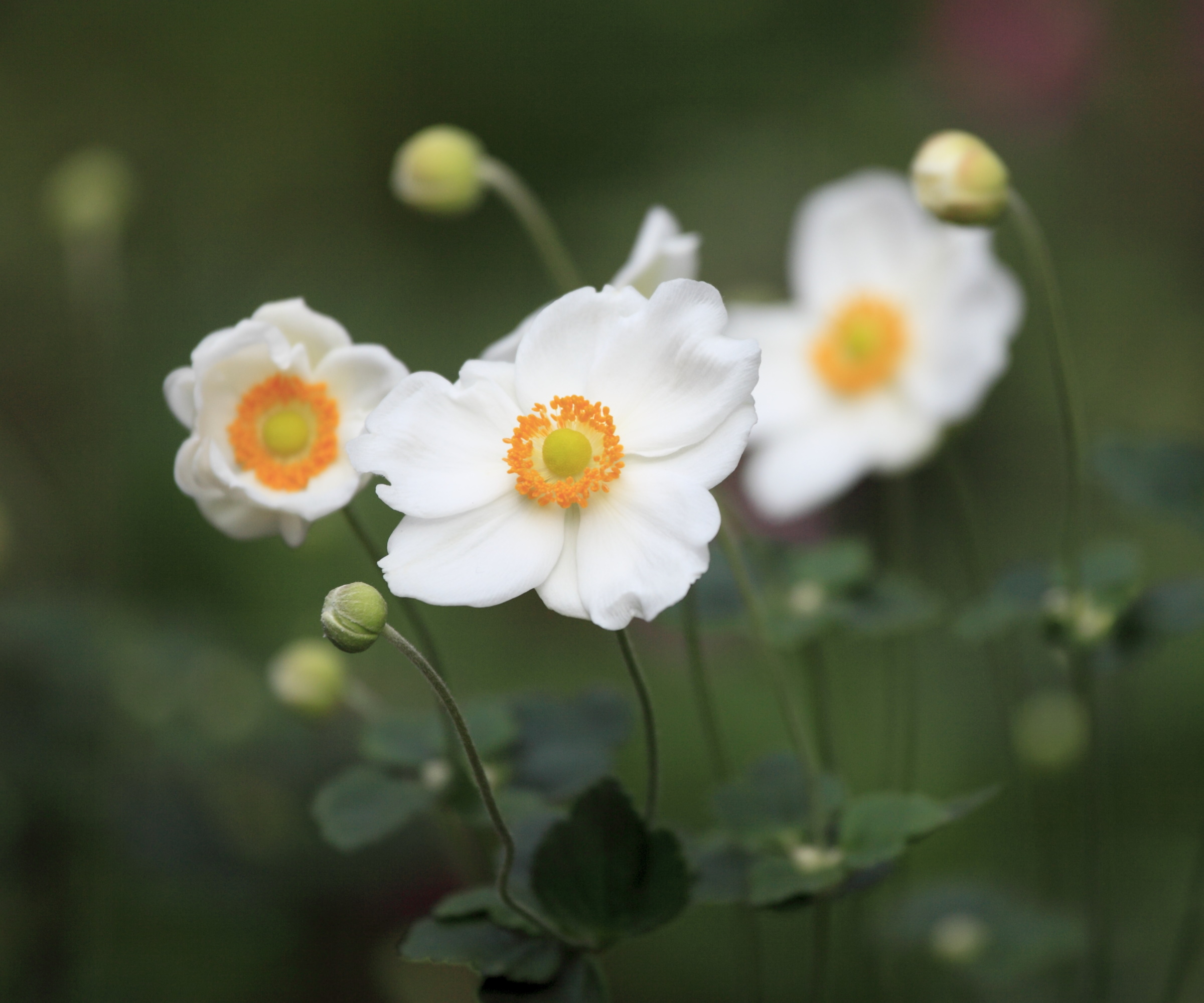
When all your other summer perennials fade, Japanese anemones are just bursting into life. With tall stems and silky, cup-shaped blooms, they make a statement in borders, beds, and even containers.
'Deep green, toothed leaves form a dense basal rosette at the plant's base, providing a fresh, rich backdrop that anchors late-season plantings with vibrant texture,' Marina describes.
You may like If Your Garden Is Already Starting to Look Dull, Plant This Native Perennial – It Puts on a Blaze of Color All Fall
 The One Plant You Need if You Hate Deadheading but Love Long-Lasting Color
 What to Plant in August for an Abundant Fall Garden
'Their height and striking form make them ideal for the back of mixed borders or as focal plants against shrubs, adding depth and height when fall garden displays are being structured,' she adds.
Typically blooming through October, they add a softness to neighboring fall architectural plants and upright ornamental grasses. Japanese anemones also offer some movement as they nod in the breeze.
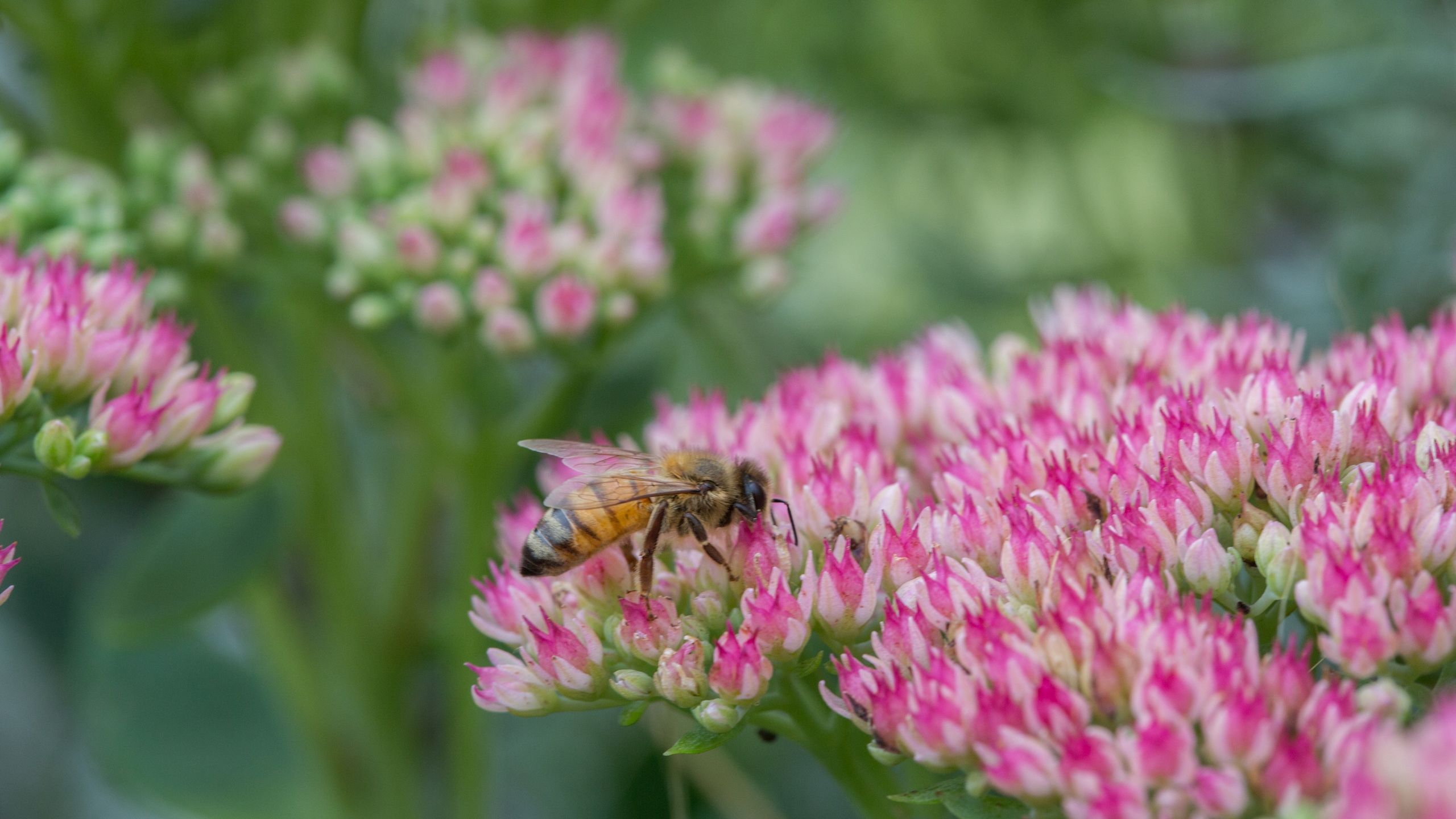
As for pollinators, you'll find many types of bees (including honeybees and bumblebees) and butterflies visiting Japanese anemones. It provides a vital source of nectar where other sources are scarce by late summer. Growing them alongside asters (see the selection at Plant Addicts) and goldenrod (which you can order from Amazon) can create the ultimate fall pollinator patch.
The other thing to note about Japanese anemones is they spread quite vigorously through underground rhizomes. To fill a late-summer border, this is good news, but you may want to regularly pull up new shoots if you don't want them taking over.
You can also use a root barrier (like this from Amazon), divide the clump every few years, or grow Japanese anemone in a container.
What to read next Easy Cut Flowers To Plant In May For A Constant Supply Of Summer Bouquets – 7 Beautiful Blooms
 This Tall, Airy Container Plant Creates Elegant Privacy on a Balcony – and Pollinators Love It Too
 Sow These 7 Fast-Growing Annuals in July for Fresh Fall Color Just When Other Flowers Begin to Fade
How to Grow Japanese Anemone
Sow These 7 Fast-Growing Annuals in July for Fresh Fall Color Just When Other Flowers Begin to Fade
How to Grow Japanese Anemone
(Image credit: Future/Edward Bowring)
To grow Japanese anemone successfully in your fall borders, it's important to meet some essential growing requirements:
Hardiness: Zones 4-8.Soil: 'Japanese anemone thrives in a soil type that is moist, rich in humus, and well-draining. Good drainage is essential to avoid waterlogged roots and root rot,' says Marina.Sunlight: 'Give your Japanese anemones a partially shaded spot in the garden, protecting them from harsh afternoon sun,' Marina advises. Japanese anemones don't do well in direct sun, which can cause leaf scorch. They can grow in shadier spots, but this will result in fewer flowers.Water: Japanese anemones benefit from weekly deep watering when first planted to help them establish. In subsequent years, they need just a thorough soaking during hot, dry spells. It's a good idea to use a soil moisture meter (like this from Amazon) to check the soil and water when the top inch or two has dried out. 'Avoid watering overhead or misting leaves because it increases the risk of fungal diseases like powdery mildew,' Marina warns.Fertilizer: 'To keep your anemones blooming at their best, apply a balanced granular fertilizer in spring (like this from Amazon),' Marina says. A layer of rich, organic compost can also go a long way in supporting the growth and blooming of Japanese anemones.Winter care: 'These hardy perennials tolerate cold well, but severe, snowless winters can be challenging. A protective layer of mulch will help keep the root system insulated,' Marina advises. A 2-3 inch layer of this Lowe's brown mulch, bark chip, or leaf mold can provide sufficient insulation for your Japanese anemones. This will also help conserve moisture and improve soil structure as it breaks down.Best Japanese Anemone Varieties to Try
(Image credit: Getty Images/I am happy taking photos)
There are quite a few different varieties of Japanese anemone to consider growing, with options for borders, beds, and containers alike.

Marina Prokaten is a resident plant expert for the Plantum app, which helps users identify plant species, diagnose their conditions, and get specific care advice. She has three years of experience consulting on botany-related topics for Plantum.
You can make the most of these plants by propagating your Japanese anemones through division in fall or early spring. Our guide to dividing plants has more guidance on how to do this successfully, without damaging your plants – you may find it useful to use this hori hori garden knife from Amazon.
If you love inspiring garden ideas, outdoor advice, and the latest news, why not sign up for our newsletter and get the latest features delivered straight to your inbox?