
Remember me






Lots of glorious fruits are ready for harvesting in August. Plums, cherries, apricots, peaches, and more are ripe for picking. It is also time to prune these fruit trees to keep them healthy and productive for next year.
Stone fruits are pruned in summer rather than winter to avoid fungal and bacterial diseases that can ravage them. August is a prime time to prune these fruit trees after harvesting the fruits. This month is also when you need to give any trained fruits in your garden their summer prune.
Knowing when to prune fruit trees ensures they stay strong and give you great yields year after year. It is also vital to use sharp, clean pruning tools for any work; this four-piece pruning set at Walmart includes pruning shears, loppers, and a pruning saw for fruit tree trimming. Here, we look at some of the best fruit trees to prune in August, along with professional trimming tips to help your trees thrive.
1. Cherry
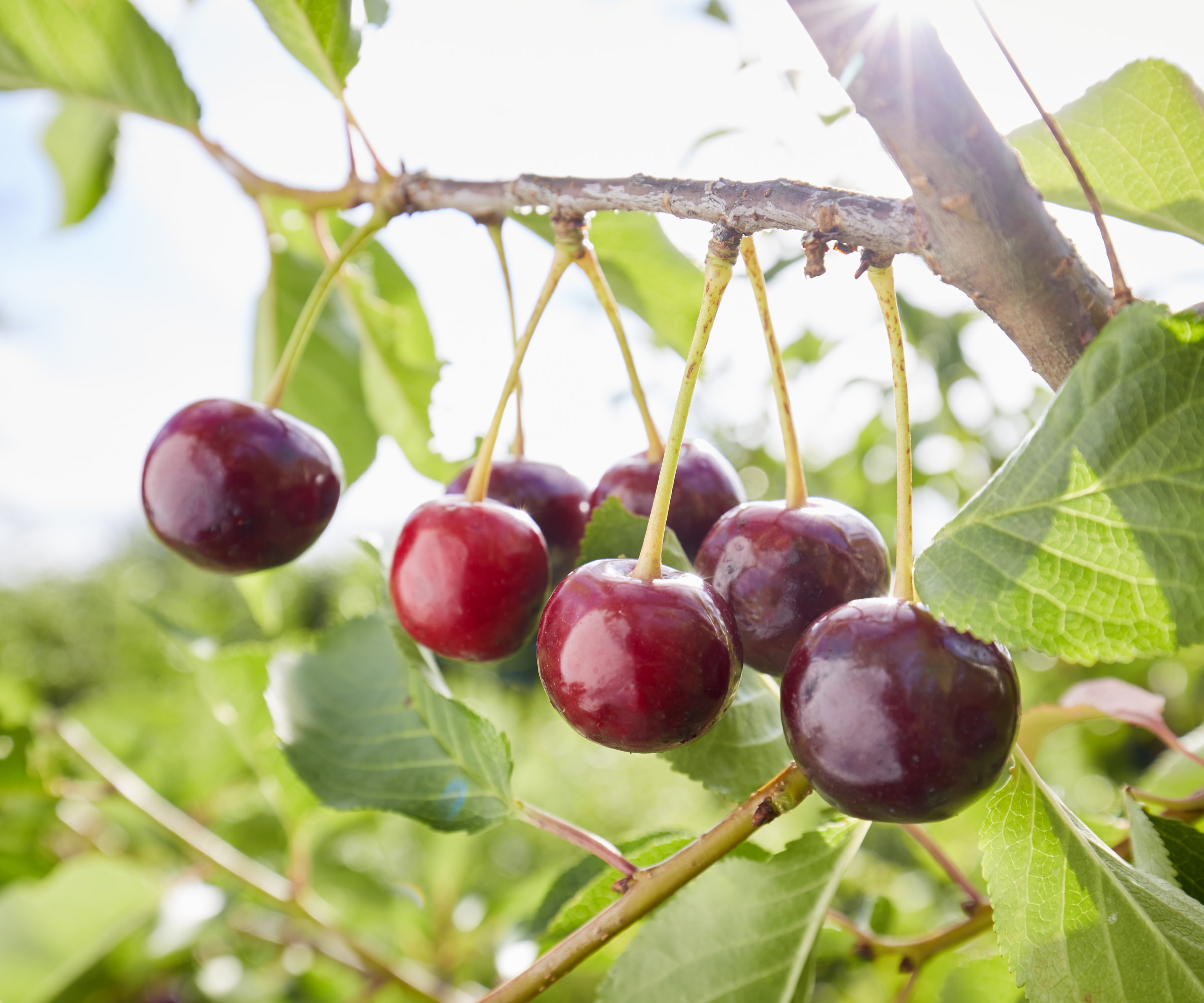
Understanding when and how to prune a cherry tree keeps it physically fit. Many fruit trees are pruned in winter, but both sweet and sour cherry trees are pruned after harvesting. This is to prevent silver leaf and canker.
The troublesome fungi are more prevalent in fall and winter and get into the wood through wounds. Trimming cherries (and other stone fruits) in summer ensures fewer spores are around and the pruning wounds seal quickly.
You may like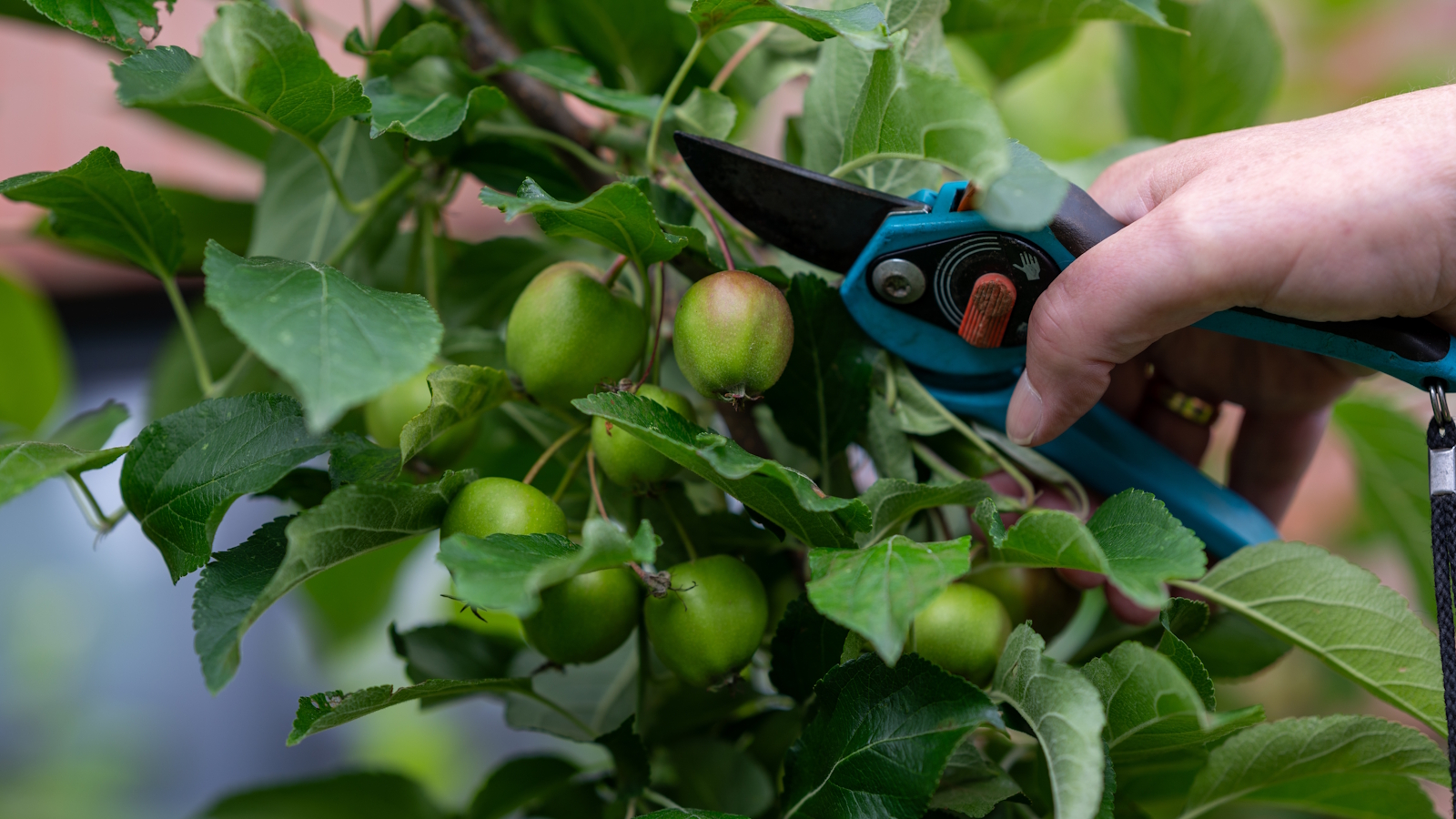 Doing This One Thing to Your Fruit Trees Now Will Result in Larger and Better Harvests – Even if They Do a ‘June Drop’ Each Year
 Midsummer Pruning Can Do More Harm Than Good – 5 Plants to Never Prune in July
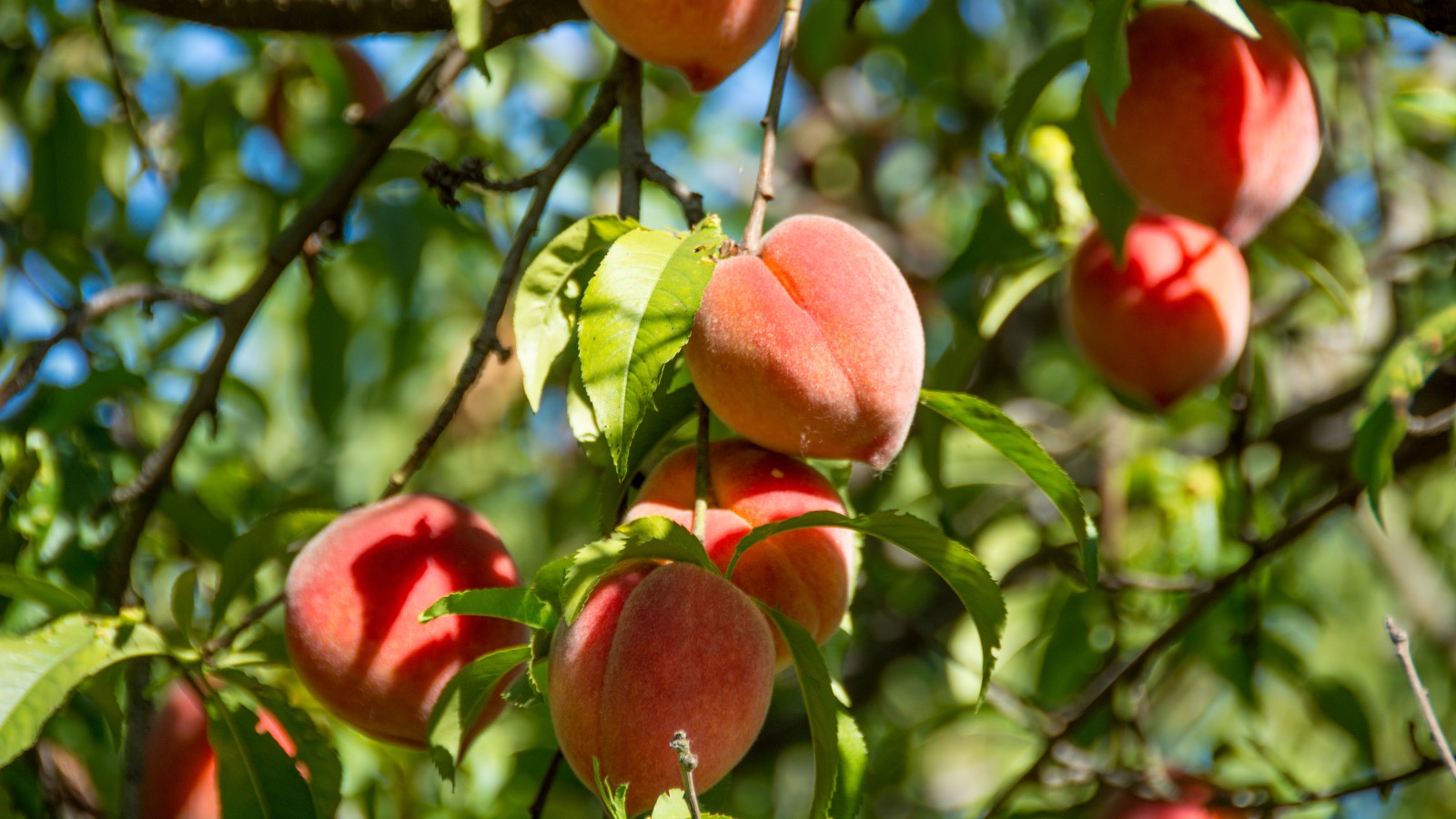 3 Things Your Peach Tree Needs in July for Sweeter Fruits and an Even Bigger Summer Harvest
When you grow a cherry tree, regular pruning helps maintain a compact shape and a good balance of fruiting wood and younger branches. Always start by removing dead, diseased, and damaged branches, as well as crossing stems or shoots growing inwards.
Sweet cherries fruit on older wood, so prune out some of the oldest branches (you may need a pruning saw, like this one at Amazon, for larger wood) and shorten any new shoots.
Sour cherries fruit on the previous year’s growth. Here, it is beneficial to cut back shoots to stimulate new growth and prevent fruit appearing at the end of long branches.
2. Apricot
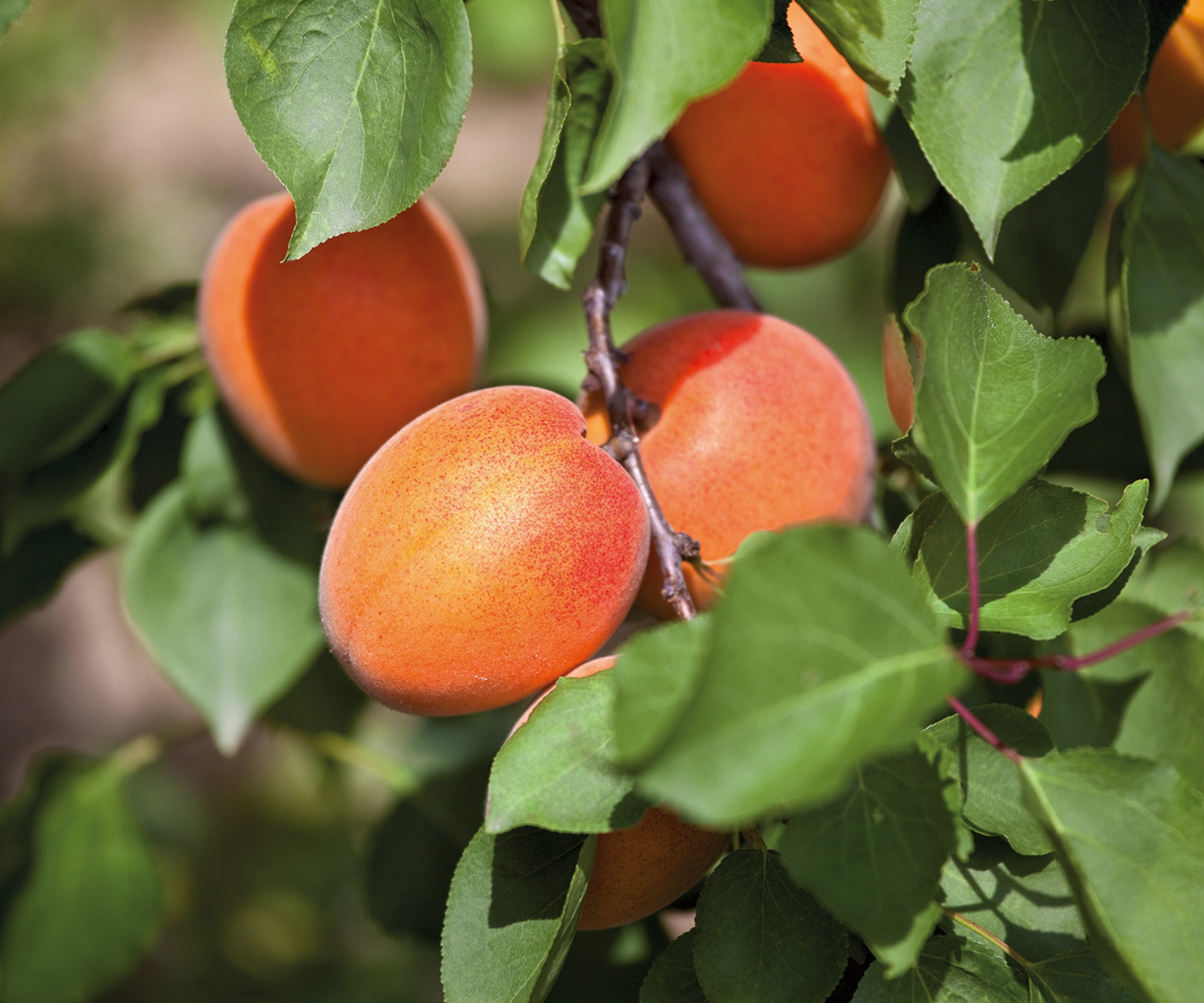
(Image credit: Zoonar GmbH / Alamy Stock Photo)
Established trees should be pruned in summer after you harvest the apricots. It can make August an ideal time in many regions. As apricots are highly susceptible to silver leaf and canker, summer pruning prevents disease and encourages a good crop next year.
Apricots fruit and flower best on one- to three-year-old wood. When you grow an apricot tree, a summer prune gives it good time to produce new wood to carry buds for next year.
What to read next Think Twice Before You Prune These Plants in June – You Could Sacrifice This Year's Flowers and Next Year's Growth
 What to Do With a Mulberry Tree in May – For an Impressive Harvest of Juicy Summer Fruit
 What Your Cherry Tree Needs In May For Beautiful Blossoms and an Abundant Summer Crop
When pruning an apricot tree, start by removing dead, diseased, and damaged wood with pruning shears or loppers. Then remove unproductive branches over four years old to have a productive mix of one-, two, and three-year-old wood.
Pruning out any congested areas or branches growing towards the center of the tree helps to open the canopy and improve light and air circulation – key factors for good fruit. A set of extendable loppers (like these at The Home Depot) can help you get into trickier spots higher in the canopy.
But don’t get carried away; it would be a tree pruning mistake to remove more than 25% of the branches in one go.
3. Peach
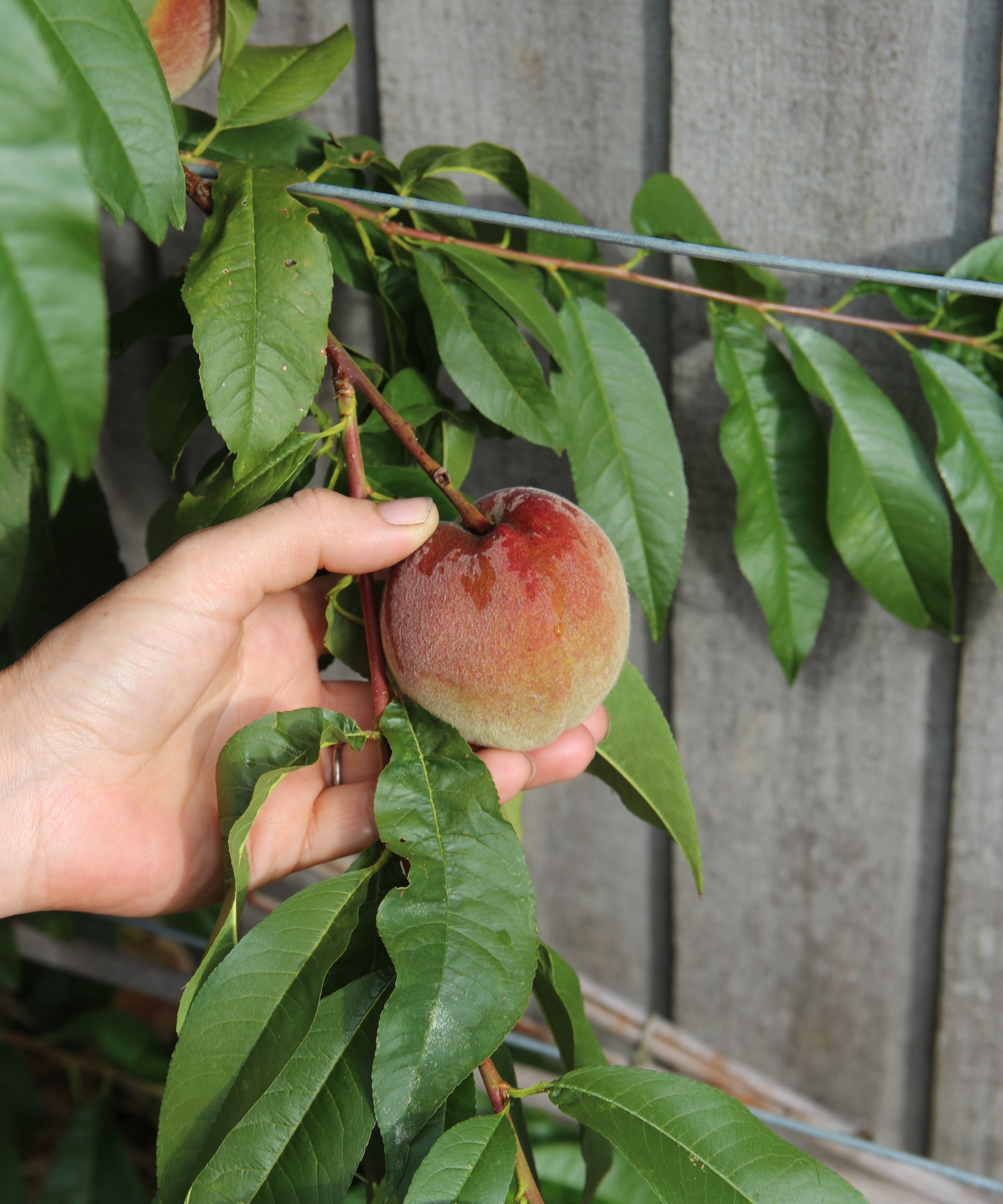
(Image credit: Future)
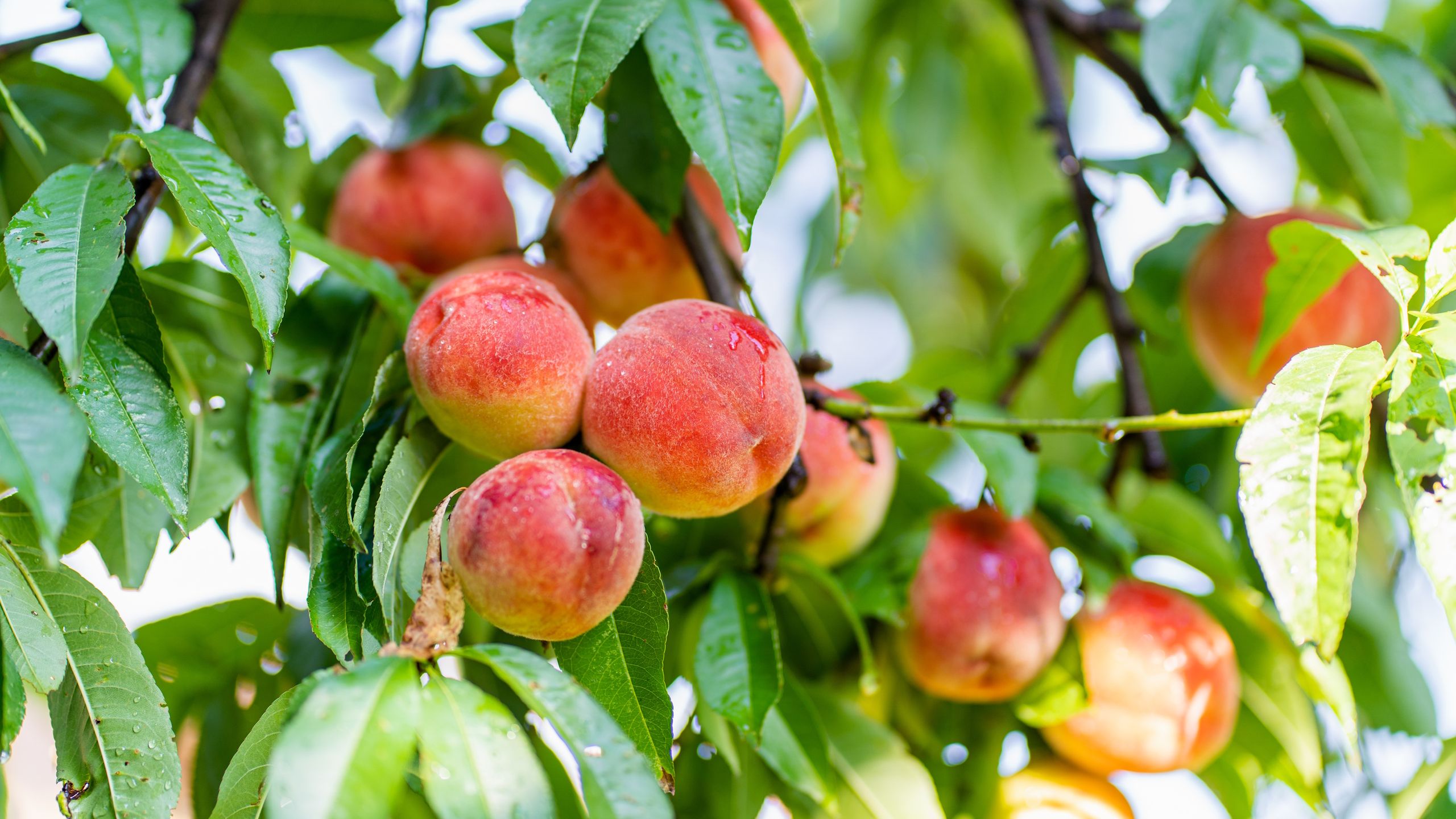
After you harvest peaches each summer, there is a window for pruning a peach tree to keep it healthy and productive. Peaches (and nectarines) fruit on the previous season’s wood. It makes replacement pruning in summer valuable to get a supply of new wood to replace old fruited branches.
A summer prune when you grow and care for a peach helps control the size and shape of the tree. It also encourages the peach tree to flower and fruit lower down, rather than just high up in the canopy – which is what happens if they aren’t regularly pruned.
Focus on removing dead, diseased, or damaged branches, any crossing or inward-facing stems, and vertical water shoots. A sharp pair of pruning shears, like these Felco F2 pruners at Amazon, are ideal for smaller stems and water shoots.
Also look to open up congested growth in the center of the canopy to boost air circulation and light penetration. Light needs to reach lower branches to ripen the fruit, and a lack of airflow puts the tree at risk of fungal disease.
4. Plum
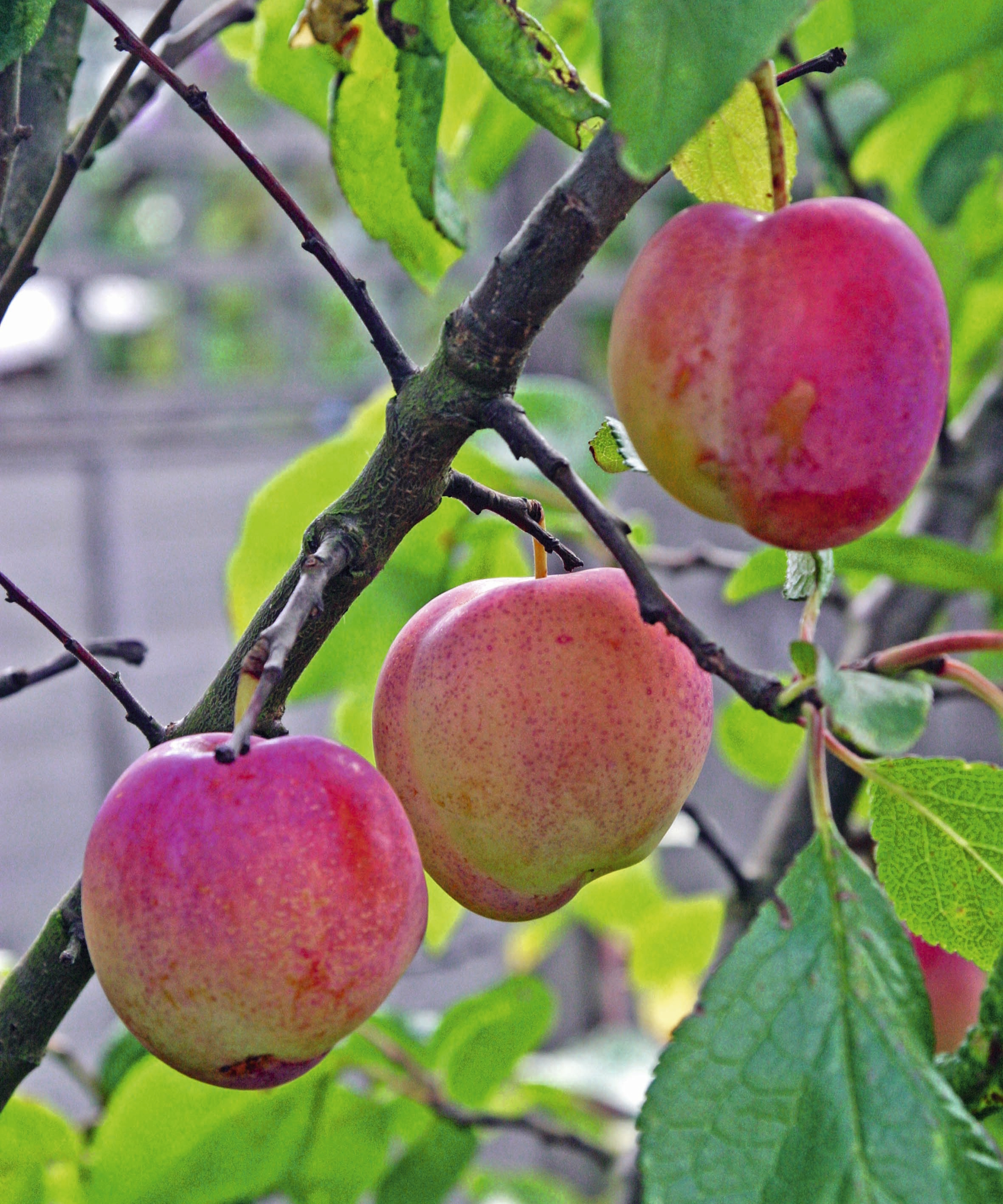
(Image credit: Future)
As with others on this list, summer is recommended for pruning established plum trees to reduce the risk of silver leaf or bacterial canker infection.
It is better to prune plum trees lightly each year, rather than cutting heavily. This keeps them healthy and productive season after season. If you want a plum tree to fruit well, it can usually be done with a few selective pruning cuts each summer.
Start by removing dead, diseased, or damaged wood. Then look at pruning out branches that didn’t fruit this year and ones growing inward or crossing. Removing those and thinning branches in dense areas to open up a congested canopy is often enough each summer.
However, if you need to control the tree's size, the remaining branches can be reduced by up to 20 per cent. Aim to create an open, goblet shape.
Also remove any suckers growing from the base of the tree to prevent them diverting energy away from the main trunk. Use a pair of pruning shears or loppers, like these PowerGear bypass loppers at Walmart.
5. Trained Fruit
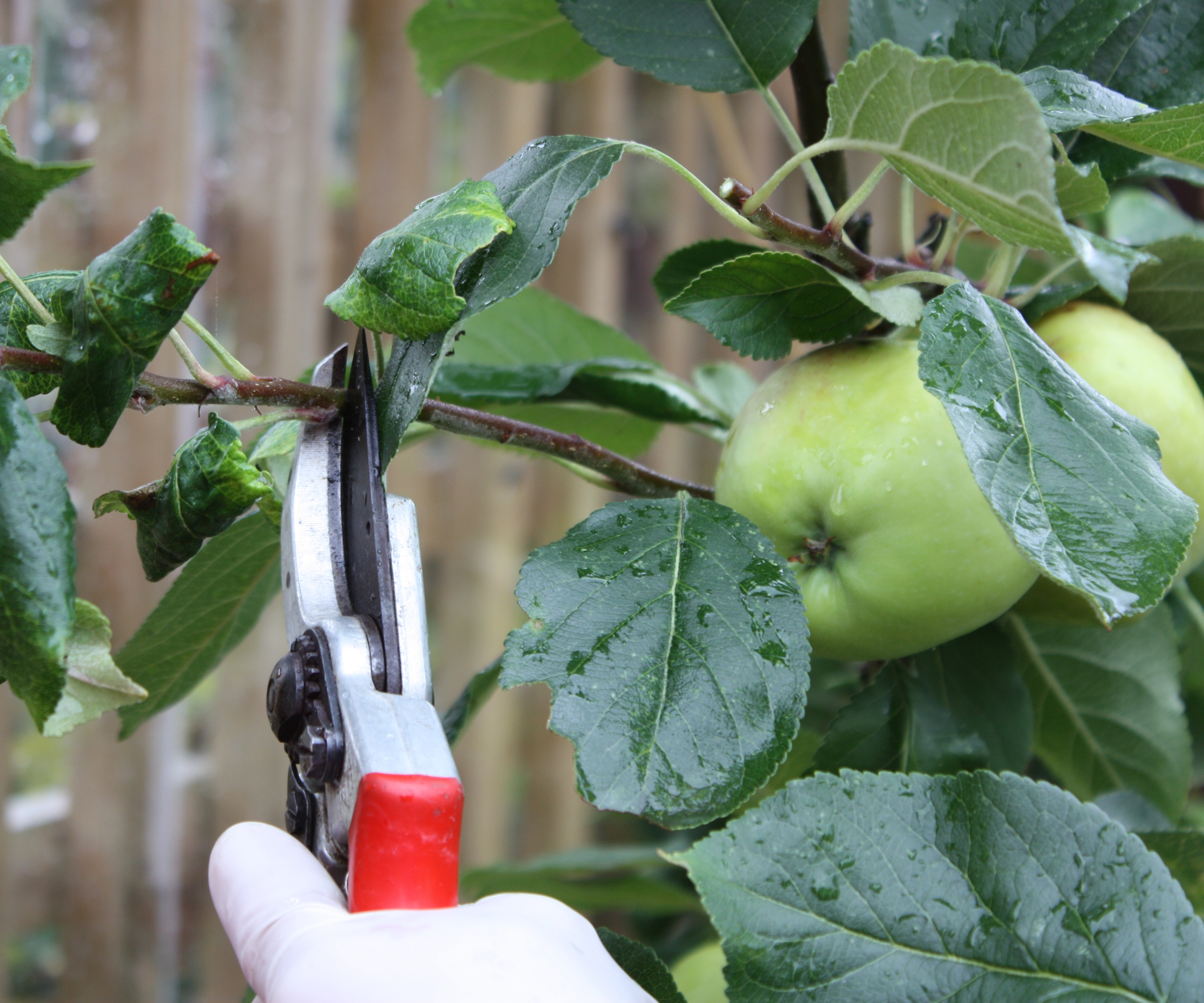
(Image credit: Future)
Trained fruit trees, such as espaliers, fans, or cordons, need a summer prune to cut back growth, help the fruits to ripen, and encourage the development of future buds. If you grow espalier apple or pear trees or fan-trained fruit trees, put trimming on your summer gardening checklist.
Pome fruits (apples and pears) simply need any side shoots growing from the main arms to be cut back to three or four leaves. This lets in light and encourages fruiting spurs for future years. Trim further shoots coming off the side shoots back to one leaf.
Stone fruits (peaches, apricots, cherries, or plums) need new shoots cut back to six or seven leaves in summer. After the fruits are picked, these are pruned again to two or three leaves to encourage new wood to carry fruit.
Always use sharp pruning tools to make clean cuts. A small handheld blade sharpener like this on Amazon can be an important tool in your bag to sharpen pruning shears or other tools with straight blades.
Another summer job with fruit trees is thinning the fruit. Lots have a natural drop in June, but sometimes need additional help. Thinning fruit trees makes a difference, as it ensures the tree can ripen all the fruit fully and prevents branches snapping under the weight of the crop.
It also helps ensure you have a crop next year, as some fruit trees (especially apples and pears) will often have a small or no crop after a high-yielding season.
Love inspiring garden ideas, outdoor advice, and the latest news? Sign up for our newsletter and get the latest features delivered straight to your inbox.