
Remember me
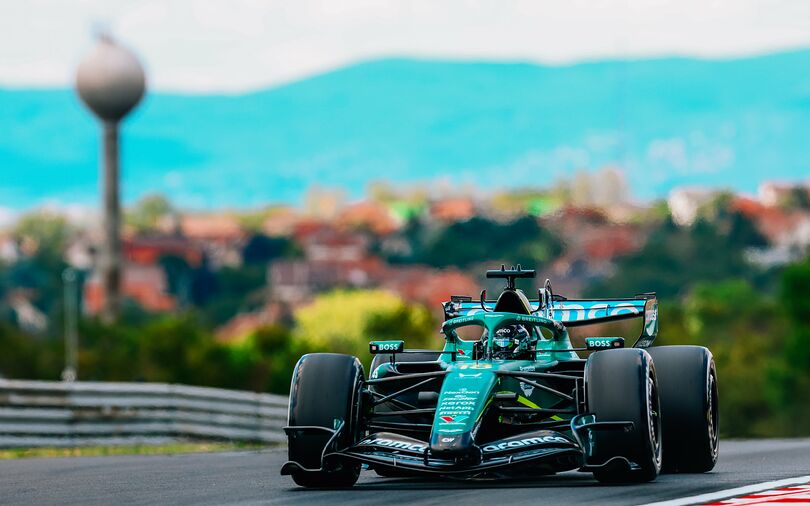

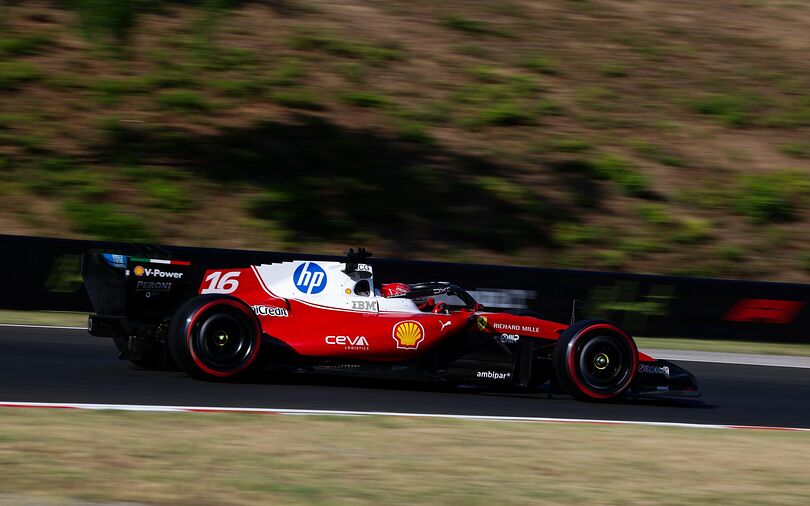
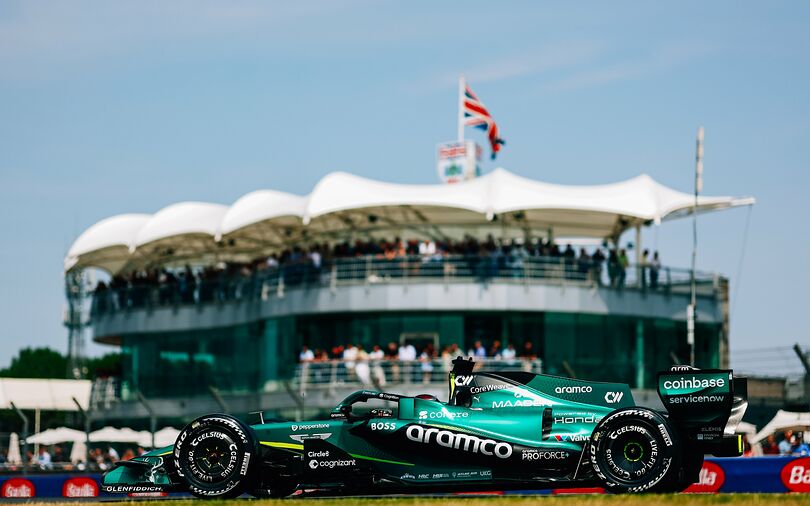
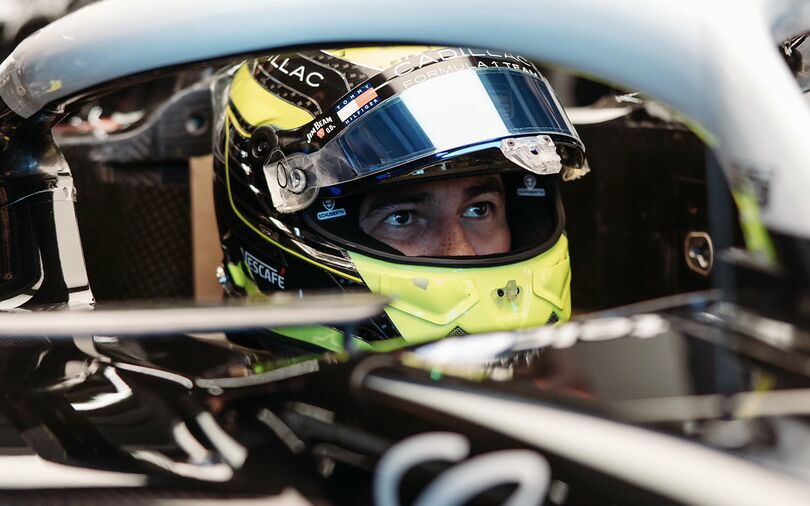
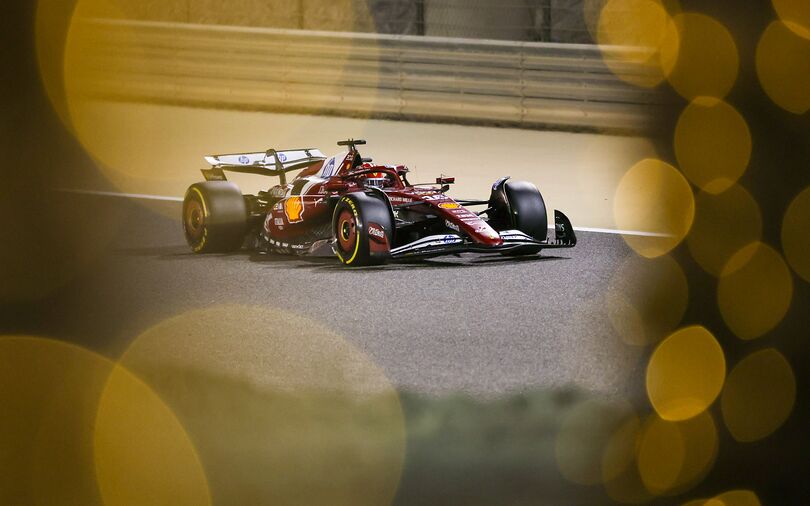
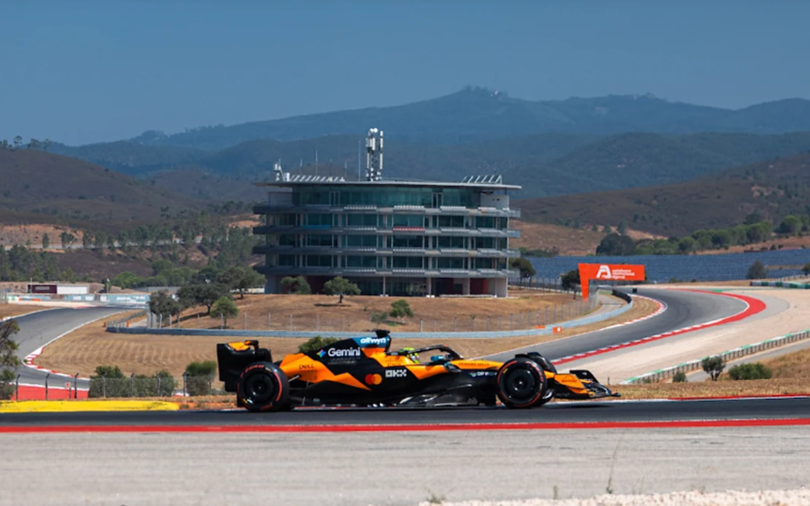
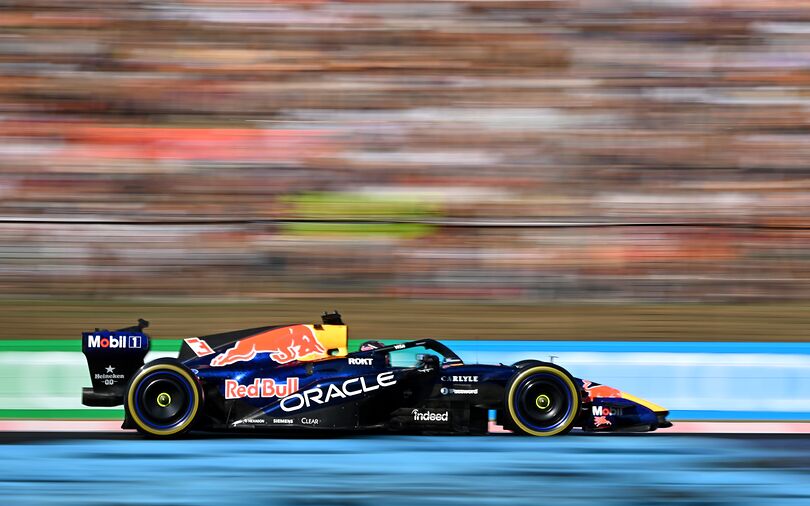
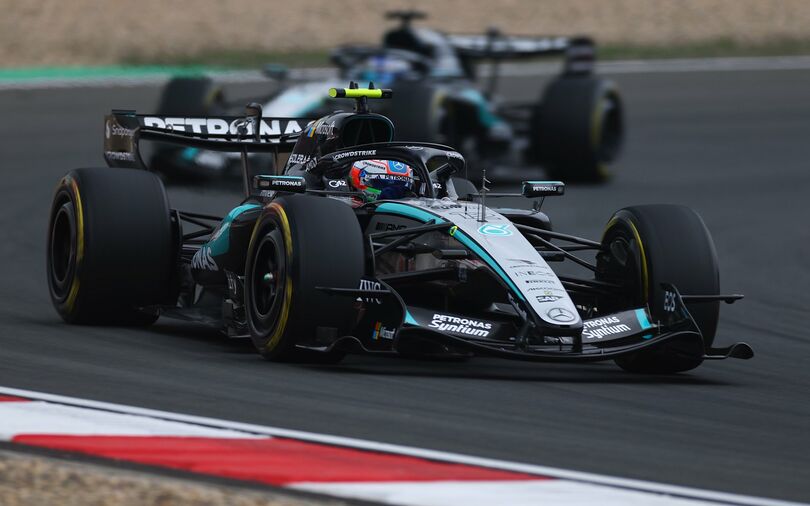

Although the Hungarian Grand Prix is done and dusted, F1Technical's senior writer Balazs Szabo explains how different compounds affected the performance of the four field-leading F1 cars at the tight and twisty Hungaroring.
Ferrari looked like McLaren's biggest challenger throughout Friday at the Hungaroring, with both Charles Leclerc and Lewis Hamilton consistently featuring at the sharp end of the timesheets. Yet by Sunday afternoon, the Scuderia found itself unable to challenge for victory, despite showing flashes of genuine race-winning pace.
The average stint lap times reveal that Ferrari's downfall was not a lack of outright speed. Instead, the SF-26 simply never found its sweet spot on the hard Pirelli tyre, while McLaren, Mercedes and Red Bull all extracted significantly more performance from the white-walled compound.
The opening stint suggested Ferrari had the paceThe start proved decisive. Charles Leclerc lined up alongside pole-sitter Lando Norris on soft tyres, while Oscar Piastri and Max Verstappen occupied the second row on mediums.
However, excessive wheelspin off the line dropped Leclerc from second to fifth by Turn 1, leaving him behind Verstappen and teammate Lewis Hamilton, who had started fifth after receiving a three-place grid penalty for impeding Piastri during qualifying.
Ferrari team principal Fred Vasseur admitted afterwards that the start immediately compromised the race.
"Charles dropped from P2 to P5 after Turn 1 because he had too much wheelspin. We found ourselves with both cars not only behind Piastri but also behind Verstappen."
At the front, McLaren immediately demonstrated its superiority. Norris averaged 1m25.482s over a 17-lap opening stint, while Piastri—who swept around the inside of Turn 2 to take the lead—was fractionally quicker at 1m25.451s over 16 laps.
Verstappen averaged 1m25.624s, around two tenths slower than the McLarens.
Hamilton, however, looked every bit as competitive as Verstappen. His average of 1m25.623s came despite spending virtually the entire stint trapped behind the Red Bull.
Throughout the opening run he repeatedly reported over team radio that he had additional pace but simply couldn't overtake.
That performance perfectly reflected Ferrari's impressive speed during Friday practice and suggested the SF-26 had genuine podium, perhaps even victory, potential.
Leclerc's average of 1m25.774s appears less representative given his difficult opening lap and time spent recovering through traffic.
Meanwhile, Mercedes' Andrea Kimi Antonelli averaged 1m25.954s but deliberately extended his opening stint to Lap 22, immediately signalling an offset strategy.
"I initially wanted to target a one-stop race," Antonelli explained afterwards. "It seemed like it might be possible in the opening stint, but then we started to suffer with the rears."
Further back, Isack Hadjar endured a difficult opening stint. Despite running in relatively clean air, the Red Bull driver averaged 1m26.527s, almost nine tenths slower than Verstappen while struggling to make the medium tyre work.
Ferrari completely lost its advantage on the hard tyreEverything changed after the first pit stops. Both Ferrari drivers switched to hard tyres and immediately lost the pace that had made them genuine contenders during the opening stint.
Leclerc averaged 1m25.379s over 20 laps, while Hamilton managed 1m25.493s during a shorter 16-lap run.
Traffic undoubtedly hurt Hamilton's average as he fought through midfield cars that had yet to stop, but even allowing for that, Ferrari never appeared comfortable on the hard compound.
The contrast with their rivals was striking. Norris averaged 1m25.018s over a long 22-lap stint, almost four tenths per lap quicker than Hamilton.
Antonelli was even more impressive. Despite completing a mammoth 31-lap middle stint, the Mercedes rookie still averaged 1m25.029s, demonstrating exceptional tyre management and consistent pace.
Piastri averaged 1m25.201s over 17 laps, while Verstappen recovered strongly after a relatively quiet opening stint. The Dutchman produced 1m25.412s across a lengthy 27-lap run, extracting excellent life from the hard tyre.
"I'm quite surprised with the result given the problems we had this weekend," Verstappen admitted. "We really hung in there, made some good calls and brought it home in the second half of the race, especially with our older tyres."
He also highlighted the importance of strategy. "The start and the first stop to gain the position were really crucial."
Hadjar also found considerably more pace once he switched compounds.
"The opening stint on the Medium probably cost us getting anything more out of today," he said. "Once we switched onto the Hard, the pace really came back and I was able to find consistency that we lacked earlier on."
 Mercedes quietly executed a strong race
Antonelli's average lap times underline just how effective Mercedes' strategy became. Although the Italian wasn't among the outright quickest during the opening stint, extending his first run by six laps compared to Norris allowed Mercedes to create a significant tyre offset.
His second stint averaged 1m25.029s despite lasting an incredible 31 laps. That pace ultimately secured a podium. "We did well to build a decent tyre offset to those ahead," Antonelli said.
"The Virtual Safety Car made our lives a little more difficult with Lewis getting fresh tyres and being right behind us, but we were able to bring home P3."
George Russell's race told a very different story. The Mercedes driver dropped from sixth to eighteenth after the anti-stall system activated at the start.
"We're not sure exactly what happened," Russell explained. "The anti-stall then kicked in, and we dropped to the back of the field. The positive is that our pace across the rest of the race was strong."
Indeed, Russell's average lap times after the opening lap suggest Mercedes possessed enough race pace to fight near the podium had his start gone according to plan.
Soft tyres transformed FerrariThe late Virtual Safety Car finally gave Ferrari an opportunity to return to the soft compound, with both Hamilton and Leclerc having dived into the pits for a set of used soft tyres.
Vasseur immediately reacted. "In the end we pitted both cars for Softs as Lewis was on used Hards and would have been vulnerable," the Ferrari team boss explained.
The improvement was immediate. Leclerc produced the fastest average stint of the entire race—1m22.999s over 14 laps—even though he was using a used set of soft tyres.
Norris remained outstanding, averaging 1m23.035s, but Leclerc was fractionally quicker. Hamilton's 1m23.455s average was roughly four tenths slower than his teammate's, although he spent much of the stint bottled up behind Antonelli's Mercedes, preventing him from exploiting the extra grip.
Those final laps strongly suggested Ferrari's outright speed had never disappeared.
Ferrari's own explanationLeclerc believes tyre behaviour, rather than outright performance, defined Ferrari's race. The Monegasque also admitted Ferrari had perhaps overestimated its competitiveness after Friday.
"The main challenge of my race was the grip. These new cars are extremely sensitive to the smallest changes and the same tyre compound can feel different across stints."
"We looked strong on Friday but our competitors were conservative and we realised after qualifying that we would struggle a bit more than it first seemed."
McLaren, meanwhile, believes Hungary naturally suited its package.
"This is probably the circuit that suits me, and suits the MCL40 best," Norris said after claiming victory. "There will be places where we struggle more, but I certainly believe we can win further races."