Why next year's Gaelic football championship will be the most competitive in history
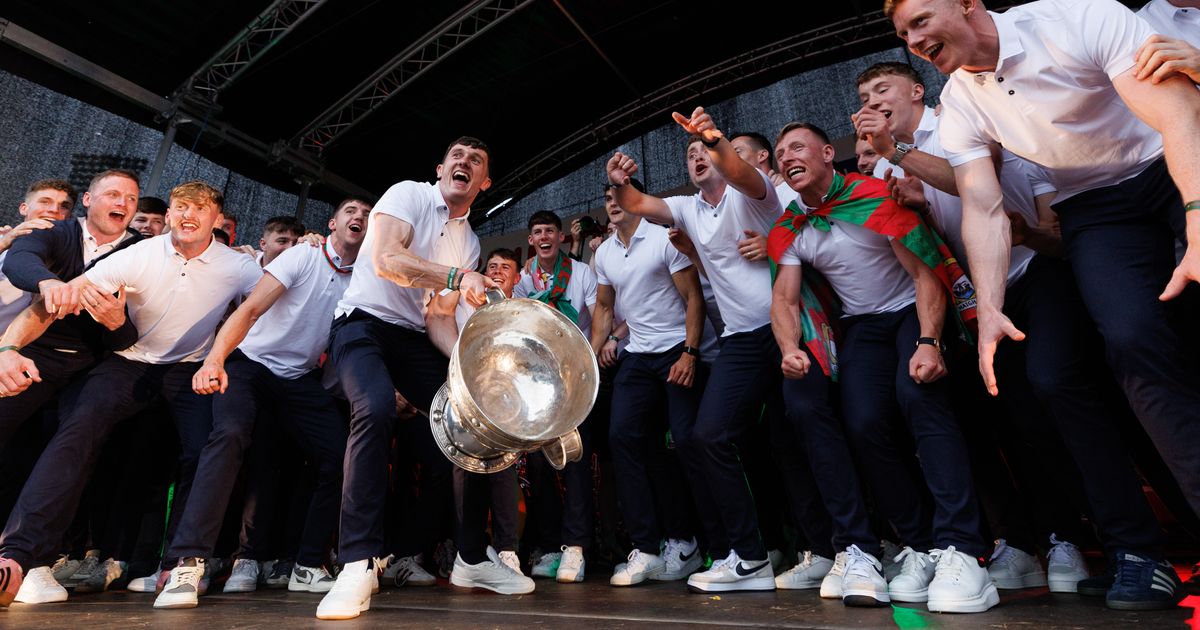
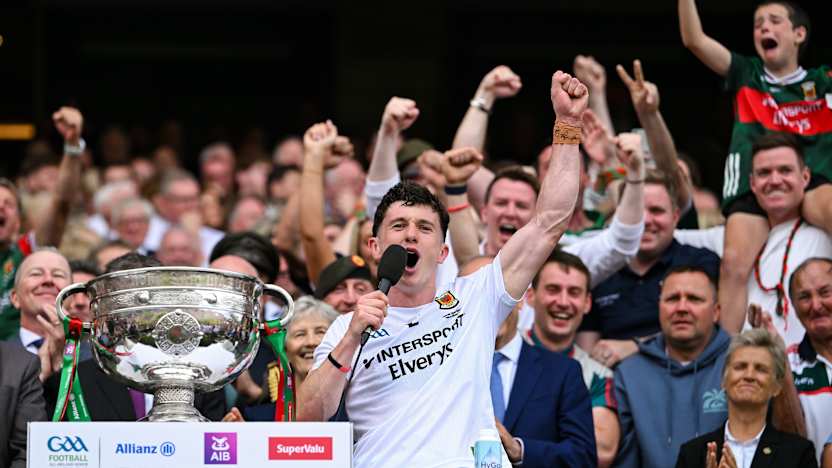
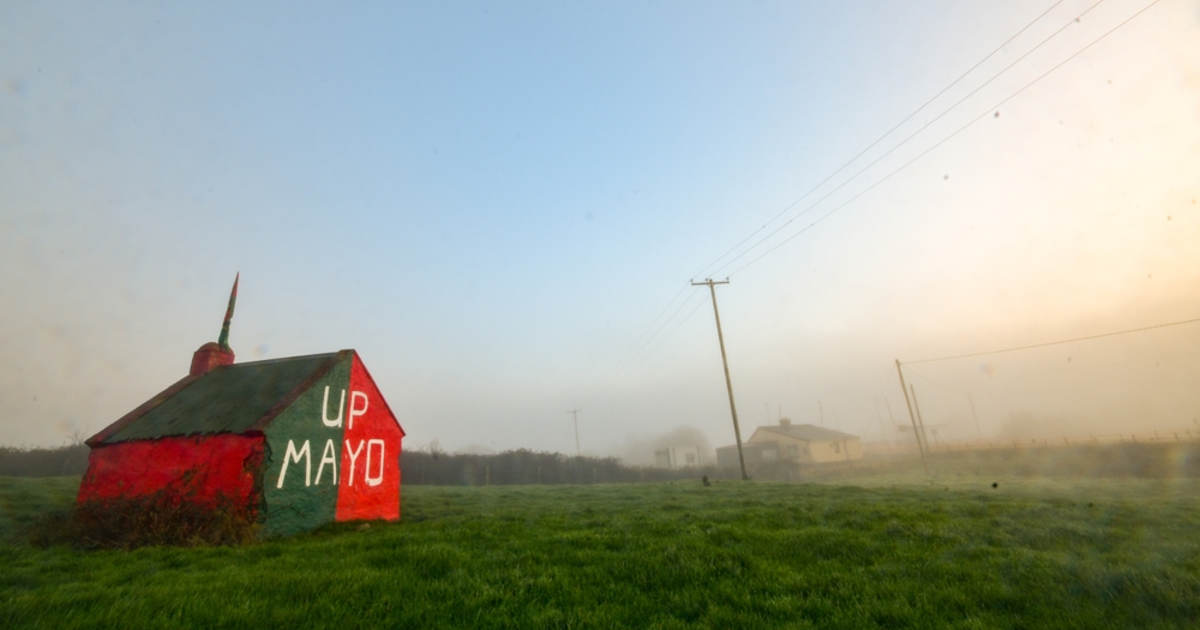
At the start of this year's championship, David Clifford was asked a question that ought to have had an easy answer.How many teams could realistically win the All-Ireland? Footballers are conditioned to avoid offending opponents. They rarely dismiss rivals, no matter how fanciful the suggestion. So when Clifford replied that there were "nine or ten" counties capable of lifting Sam Maguire, it sounded like the diplomatic answer rather than the honest one.After all, by then the consensus had already been formed. Kerry were obvious favourites. Donegal had looked irresistible through the league. Armagh were the 2024 champions. Jim Gavin, whose judgement on these matters carries rather more weight than most, threw Galway into the conversation. There was your list. Or so everyone thought.Except perhaps the best footballer in Ireland had seen something everybody else had missed.Because the remarkable thing about the 2026 championship is not simply that Mayo ended a famine stretching back to 1951. It is that their triumph has merely completed a pattern that has been developing for years. The monopoly has not just weakened. It has disappeared. Look at the evidence.Across the last two championships alone, Kerry, Mayo, Donegal, Dublin, Louth, Meath and Tyrone have all reached the All-Ireland semi-finals. Add Galway and Armagh, who contested the 2024 final, and suddenly Clifford's supposedly generous estimate no longer sounds exaggerated at all. Perhaps nine or ten genuine contenders is still stretching it.Yet Steven Poacher's prediction before a ball was kicked — that virtually anybody could beat anybody else on their day — now reads less like optimism and more like simple observation.This championship was littered with results that would once have been considered shocks but now simply feel like modern Gaelic football.Leitrim, operating from Division Four, pushed Galway all the way. Wicklow, another Division Four county, came within two points of eliminating Dublin. Down, who never even qualified for the All-Ireland series, defeated Donegal in Ulster, just as they had beaten Louth in last year's championship.Roscommon beat Mayo. Tyrone beat Mayo. Westmeath toppled both Meath and Dublin. Donegal overcame Kerry but then lost to Cork and Dublin. Tyrone pushed Kerry to the limit. Dublin pushed Kerry to the limit.Westmeath landed just their second ever Leinster; Louth their first win over Dublin since 1973 en route to their first semi-final since 1957.There comes a point where isolated upsets stop being upsets altogether. They become evidence.For two decades this championship belonged almost exclusively to three counties. Between 2003 and 2023, Kerry, Dublin and Tyrone won all but two All-Ireland titles. Occasionally another county would enjoy a glorious summer, but eventually the established order reasserted itself. The game felt open in spring and familiar by summer. Not anymore.Four different champions in four years tells its own story. Armagh broke through in 2024. Mayo have now followed. And while every All-Ireland winner changes history, Mayo may yet change psychology. There is a difference.Armagh proved the established powers were vulnerable. Mayo have demonstrated that even the longest curse, the heaviest burden and the greatest weight of expectation can finally be discarded. If a county that waited 75 years can cross the line, what excuse remains for everyone else?Belief is an underrated currency in sport. Once a team genuinely believes the impossible is possible, performances follow. That is why Mayo's victory matters far beyond Castlebar.The chasing pack will not look at Kerry with quite the same sense of awe next season. They have all been beaten already. Louth defeated Armagh. Roscommon defeated Mayo. Tyrone defeated Mayo. Everyone has shown vulnerability. That changes dressing rooms.Managers no longer have to convince players that an upset can happen. They merely have to point to this year's results.Which is why next season promises something that Irish football has rarely possessed.Seven or eight counties will begin the championship genuinely believing they can win it. Another handful will look at what Louth achieved this year, what Meath achieved the year before, and conclude that an All-Ireland semi-final is no longer an impossible dream but a realistic target.This decade alone, 13 different counties have reached an All-Ireland semi-final. That is not coincidence. It is transformation.The new rules deserve credit. So too does the new championship structure, which has given ambitious counties meaningful opportunities rather than asking them to survive one knockout afternoon against a traditional heavyweight. Good teams are playing more meaningful games. They are improving because of it. Confidence is spreading because success is no longer reserved for the privileged few.For years, Gaelic football searched for competitive balance. It worried about predictability. It wondered how the gap between the elite and everyone else might be closed.Perhaps the answer has arrived quietly, almost unnoticed, over the past four summers. David Clifford saw it before most. Nine or ten teams capable of winning the All-Ireland? At the time it sounded like courtesy. Now it sounds like foresight.And if this trajectory continues, next year's championship may not simply be the most open in living memory. It may be the most competitive the game has ever known.Click here to sign up to our sport newsletter, bringing you the top stories and biggest headlines from Ireland and beyond.