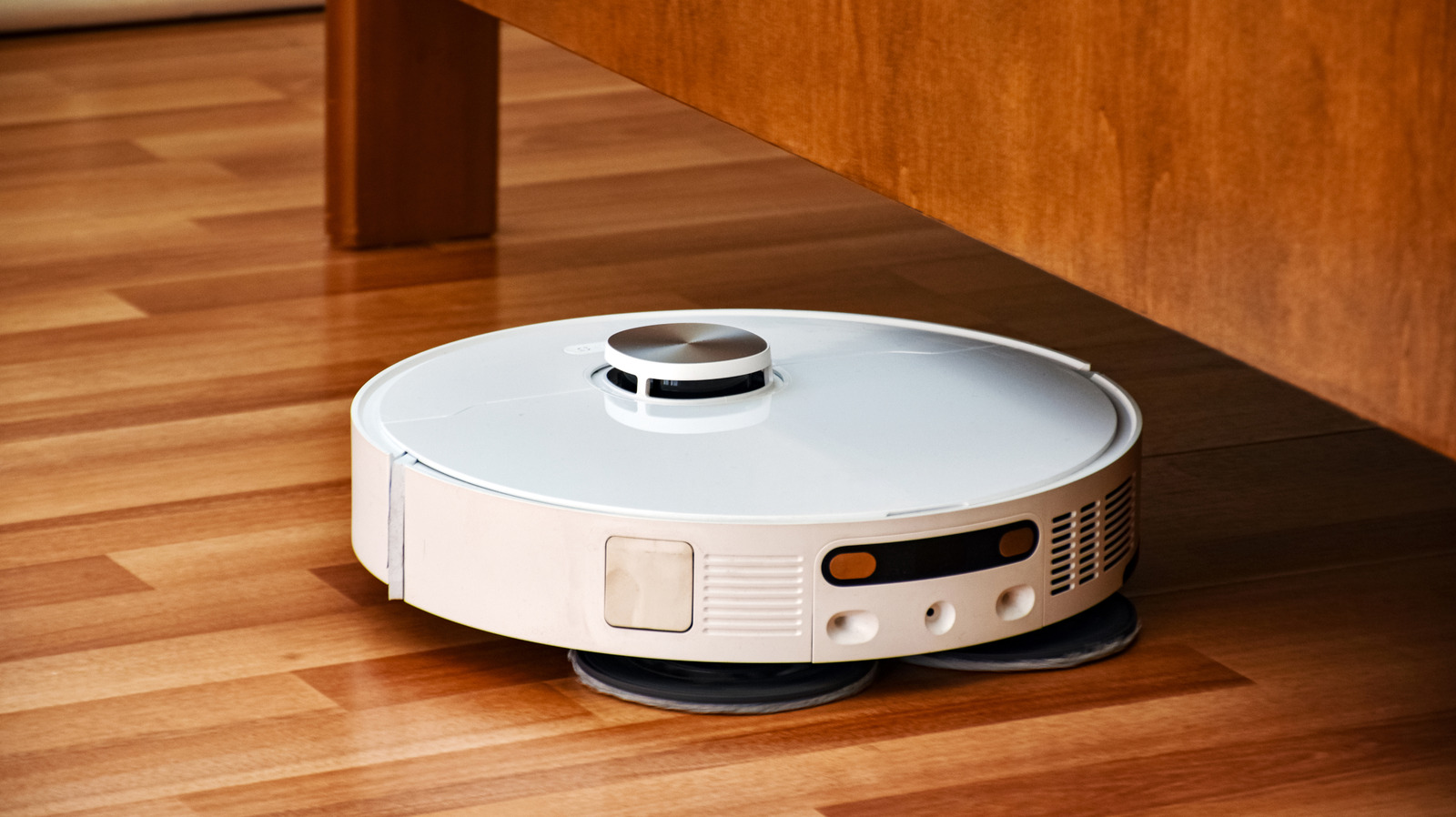
It's been a rough week for robot vacuum owners, even if some of them don't realize it yet. Following the Federal Communications Commission's (FCC) previous bans targeting Chinese-made drones and routers, the agency has now set its sights on the world of "advanced robotic devices." While the main focus appears to be on shutting down the importing and purchases of Chinese-based humanoid robots, the definition that the FCC has set into play is also broad enough to catch robot vacuums and a myriad of other robotic devices in its clutches — including lawnmowers, delivery robots, and even warehouse robots.
The good news is that this change doesn't mean that you have to return your robot vacuum. So, if you've just purchased a new Roomba or Roborock vacuum system, then you're fine to keep using it as is. However, it does mean there are some big changes coming to the robot vacuum market going forward. And while those changes might take some time to really go into full effect, they could drastically change how quickly Americans get groundbreaking new features, as well as how much these companies move to lean on American manufacturing to get their products built.
You can keep using your existing robot vacuum
Of course, as with any of these FCC bans, it's important to understand that this decision doesn't automatically make your robot vacuum illegal or obsolete. In fact, your device will continue to operate as it always has, at least for as long as the manufacturer supports it. That said, software updates, security patches, and improvements might be affected by the ban, since the router bans that the FCC imposed have also affected software updates for those devices.
This change also doesn't affect any vacuums that are already being sold in stores or that are approved to be sold within the United States. Instead, this will directly affect the incoming stock of new designs and models. However, it won't stop them outright, as manufacturers will be able to get approval to continue selling. Companies will technically still be able to bring new models to the market. However, they will need to be able to commit to U.S. manufacturing and be able to show that roughly 65% of a device's components are sourced domestically from 2028 and 75% from 2029. That might be a surprisingly difficult bar to clear even for brands that already assemble in the U.S.
Robot vacuums don't last forever. Most owners report getting somewhere between three and five years out of a well-maintained unit before parts start wearing out. So if you've had your vacuum for a while, then it might be worth upgrading to one of the best vacuums on the market right now before some of them are no longer available.
The long-term market is likely going to change
While it's impossible to tell the future, this is where things really start to get messy, as mostly every major robot vacuum brand from Roborock to Dreame is based out of China. Even the American-based companies like Matic source a lot of materials from China, which means those companies all fall under the new rule.
Although new models likely won't arrive in the U.S. as quickly with this ruling, some manufacturers will probably go through the trouble of moving manufacturing over to American soil to help open up this market again. However, it isn't quite that simple. Because while there is no doubt that some companies will make that transition, not everyone will be able to. That means exactly what the market will look like in two years is completely unknown.
It also means that new features and models that include these features may become more difficult for American users to get their hands on, especially if the manufacturers behind them are not able to get their devices approved. There is no shortage of tech and hardware that doesn't make it to America. There are several smartphone brands, such as Huawei, that are never sold in the U.S., and several automotive brands, too. Not to mention the assortment of other tech that never makes it overseas. However, robot vacuums are one of those luxury items that have somewhat taken off in recent years, and without a true American-made variant to fill in the gap, the market could easily change for the worse if manufacturers aren't able to fall in line with the FCC's new requirements.