
Remember me

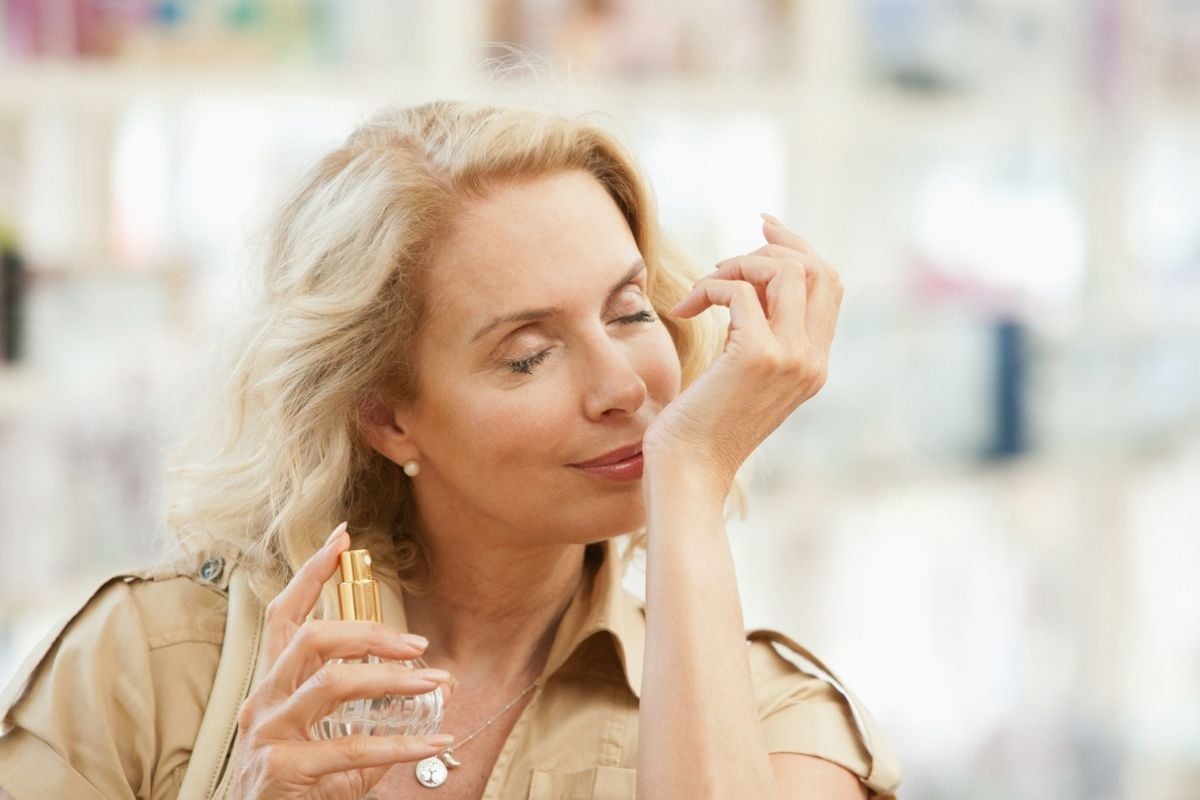




 Goodbye One Perfume for Life: An Expert Explains Why the Fragrance
That Suited You at 25 Can Betray You at 50
Goodbye One Perfume for Life: An Expert Explains Why the Fragrance
That Suited You at 25 Can Betray You at 50
You have been wearing the same fragrance for years. You love it, it feels like you, and honestly you cannot imagine switching. But lately something is off. Maybe the scent fades faster than it used to. Maybe you have started applying extra spritzes without thinking. Or maybe – and this is the unsettling part – the perfume that once made you feel incredible now smells slightly wrong on your skin. Before you blame the brand for changing the formula, the real explanation may be far more personal.
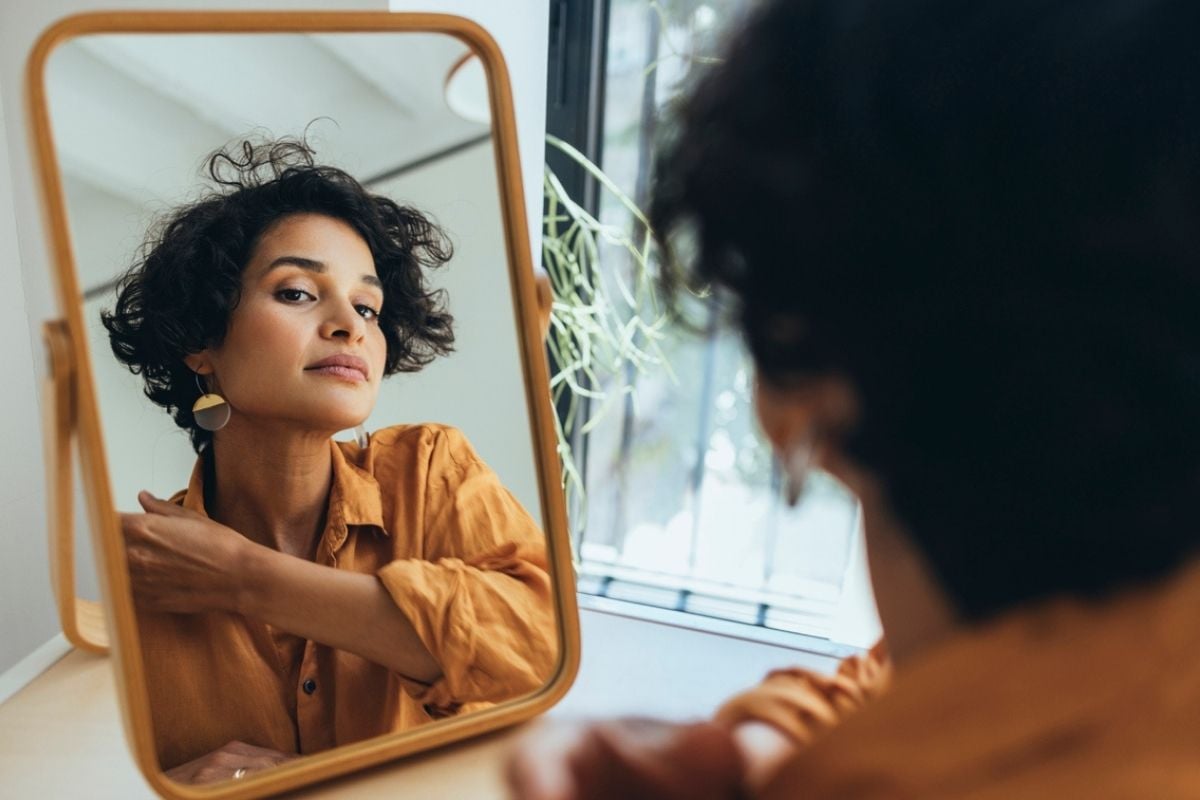
What your body is quietly doing to your signature scentHere is something most of us never consider: the way a perfume smells on you is not fixed. Your skin chemistry shifts over time, and those shifts change the way fragrance ingredients interact with your body. After menopause, declining estrogen levels lead to less sebum secretion, which results in drier skin. When skin is drier, the active components in a perfume dissipate faster – meaning what used to linger beautifully for hours might now vanish in what feels like minutes.
And there is another factor at play. As we age, our sense of smell can gradually fade, a condition known as presbyosmia. Up to half of people over 60 can be affected. That diminished perception creates a sneaky chain reaction: subtle fragrances become harder to detect, stronger scents suddenly seem more appealing, and we tend to overapply without realizing it. Have you ever walked past someone trailing an almost visible cloud of perfume? That might be presbyosmia at work. The general rule is that your fragrance should be perceptible only at close range, not leaving an overpowering wake. And here is a detail worth knowing – we lose the ability to detect our own perfume after about half an hour, even though everyone around us still can.
Why certain fragrances feel like time machinesFragrance and memory are linked in a way that goes deeper than nostalgia. The brain structures that process odors are the same ones that handle memory and emotion. That is why a single whiff of something familiar can instantly summon a person, a place, or an entire chapter of your life. A classic cologne might bring back a parent. A discontinued body spray might transport you to college. Anaïs Anaïs, launched in 1978, became so iconic it made The Perfume Shop’s 2020 list of the top 30 scents. When the Body Shop went into administration, its White Musk was described as the signature scent of a generation.
This emotional wiring also explains why we cling to a single fragrance for decades. It is not just habit. It is identity. But the perfume that matched your skin at 25 may genuinely smell different on you at 50 – not because the fragrance changed, but because you did. Recognizing that can actually be freeing. It is an invitation to explore rather than a loss.
How to find your next fragrance without wasting moneyLinda Pilkington, founder of independent British perfume house Ormonde Jayne, suggests keeping several fragrances rather than committing to one. Different perfumes suit different moods – something understated for the office, something that makes you feel special for a date night, and perhaps something that projects confidence on a demanding day when you are facing high-stakes meetings.
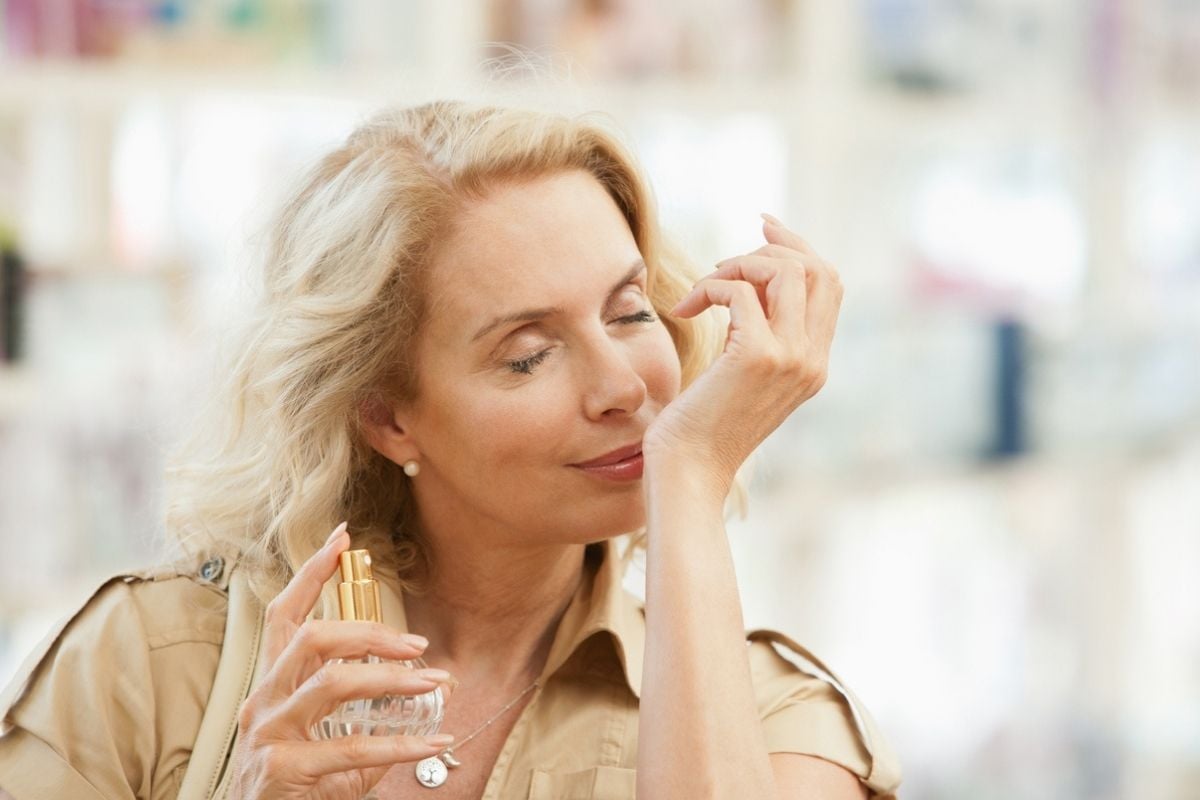
When you are ready to shop, start with clean, unscented skin and an open mind. Do not expect to find your next favorite in five minutes. If you catch an appealing scent on someone, ask what it is – but remember it may smell completely different on you. Begin by sniffing an open bottle or spraying onto a paper strip rather than directly onto skin. If you like what you smell, spray one wrist, let it dry, then inhale. Scent evolves: the alcohol evaporates first, then the remaining ingredients interact with your skin’s oils, moisture levels, and acidity. Wait at least 10 minutes and smell again. Limit yourself to four fragrances per session – one on each wrist and one inside each elbow – or your nose gets overwhelmed.
Do not overlook budget-friendly options, either. Own-brand scents from retailers like Zara get solid reviews, and for roughly a tenth of what you would spend on 100ml of Chanel No5 eau de toilette, you could discover a new go-to. Pilkington’s approach at Ormonde Jayne involves a kind of tasting menu: customers are asked about the environments they love, their favorite colors, the foods they enjoy, and the smells they have always adored. From there, they narrow the options to about three samples. Her advice is to spray a sample after your morning shower, before coffee or breakfast, then carry it throughout the day. Top it up, smell your wrist periodically, notice how it makes you feel, and even check your clothes the next morning. Taking time matters – fragrance is a real investment.
The takeaway your nose needsYour go-to perfume may not have betrayed you. Shifting skin chemistry and a naturally evolving sense of smell can alter everything about how a fragrance wears. Up to half of people over 60 experience some degree of scent fading, and hormonal changes can make even a beloved formula behave differently on your skin. The practical move is simple: treat fragrance shopping as a slow, sensory experiment rather than a snap decision. Your next signature scent is out there – it just might not be the one you have been reaching for on autopilot.
 This
12-Week Study Proved That One Daily Fruit Changes Where Your Body
Stores Fat
This
12-Week Study Proved That One Daily Fruit Changes Where Your Body
Stores Fat
 The
butterfly bob is the most Googled haircut of summer 2026 and it’s
easy to see why
The
butterfly bob is the most Googled haircut of summer 2026 and it’s
easy to see why
 Goodbye
jeans: Here are the 5 unexpected trends quietly replacing them this
summer
Goodbye
jeans: Here are the 5 unexpected trends quietly replacing them this
summer
 This
Trick That Costs a Few Dollars Transforms a Basic Garment Into One
That Looks Twice as Expensive
This
Trick That Costs a Few Dollars Transforms a Basic Garment Into One
That Looks Twice as Expensive
 Dermatologists
Say What You Wear in Extreme Heat Can Cause Skin
Infections
Dermatologists
Say What You Wear in Extreme Heat Can Cause Skin
Infections
 You
Store This Color Away the Moment It Gets Warm? Here’s Why That’s a
Mistake
You
Store This Color Away the Moment It Gets Warm? Here’s Why That’s a
Mistake